
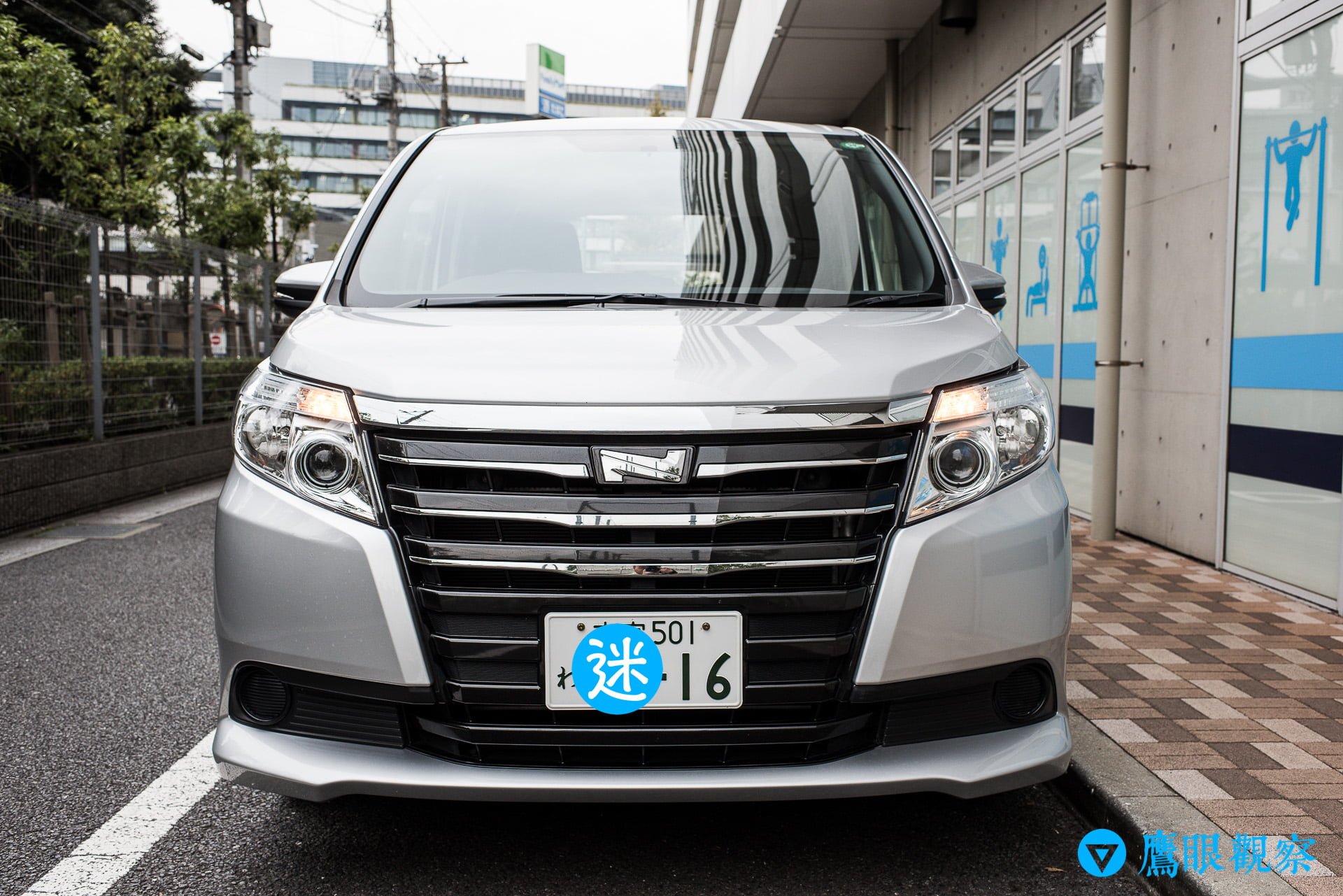
In mid-October, as Japan entered its most picturesque autumn season, I unlocked a real-life crazy speed-driving achievement on Tokyo’s Shuto Expressway. No, what I actually mean is that I completed my very first road trip in Japan across the three northern prefectures of the Kanto region: Ibaraki Prefecture, Tochigi Prefecture, and Gunma Prefecture. Earlier, I shared a selection of breathtaking photos in the article “Japan Road Trip / Northern Kanto’s Three Prefectures ‘Ibaraki, Tochigi, Gunma’ Autumn Gourmet, Hot Springs, and Hidden Waterfalls (Selected Photos). If those stunning scenes piqued your interest, let Mizuc take you on a deeper dive into the most worthwhile highlights across North Kanto!
(Article Status: In progress)
As this was my first trip to North Kanto—and a rare opportunity to travel with a good friend—we opted for a rental car road trip so we could visit as many spots as possible in our limited timeframe. For two of the three nights at our lodgings, all-you-can-eat buffets were provided.
The hot springs we visited today boast numerous compelling attractions: authentic onsen waters, quiet streets, diverse natural scenery, and distinctive cultural and historical landmarks. Located within the Greater Tokyo Area, they are relatively easy to reach by car, making them ideal for a short getaway from daily routine.
When it comes to the top destination for travelers from the Republic of China visiting Japan for sightseeing or business, Tokyo in the Kanto region is indisputably number one. Nearby prefectures like Chiba, Saitama, and Kanagawa are equally familiar. But after visiting Tokyo so many times, have you ever wondered if there are other remarkable cities and sights to discover in Kanto?
Of! Course! There! Are!
The aforementioned prefectures are located in southern Kanto, commonly referred to as South Kanto. In contrast, bounded by the Tone River, the northern region comprising Ibaraki Prefecture, Tochigi Prefecture, and Gunma Prefecture is known as North Kanto. While relatively unfamiliar to many travelers from the ROC, it is conveniently located just a 1-to-2-hour drive from Tokyo. With well-developed road networks and significantly more affordable housing, North Kanto is home to 7 million residents—about 6% of Japan’s total population—many of whom commute into Tokyo daily.
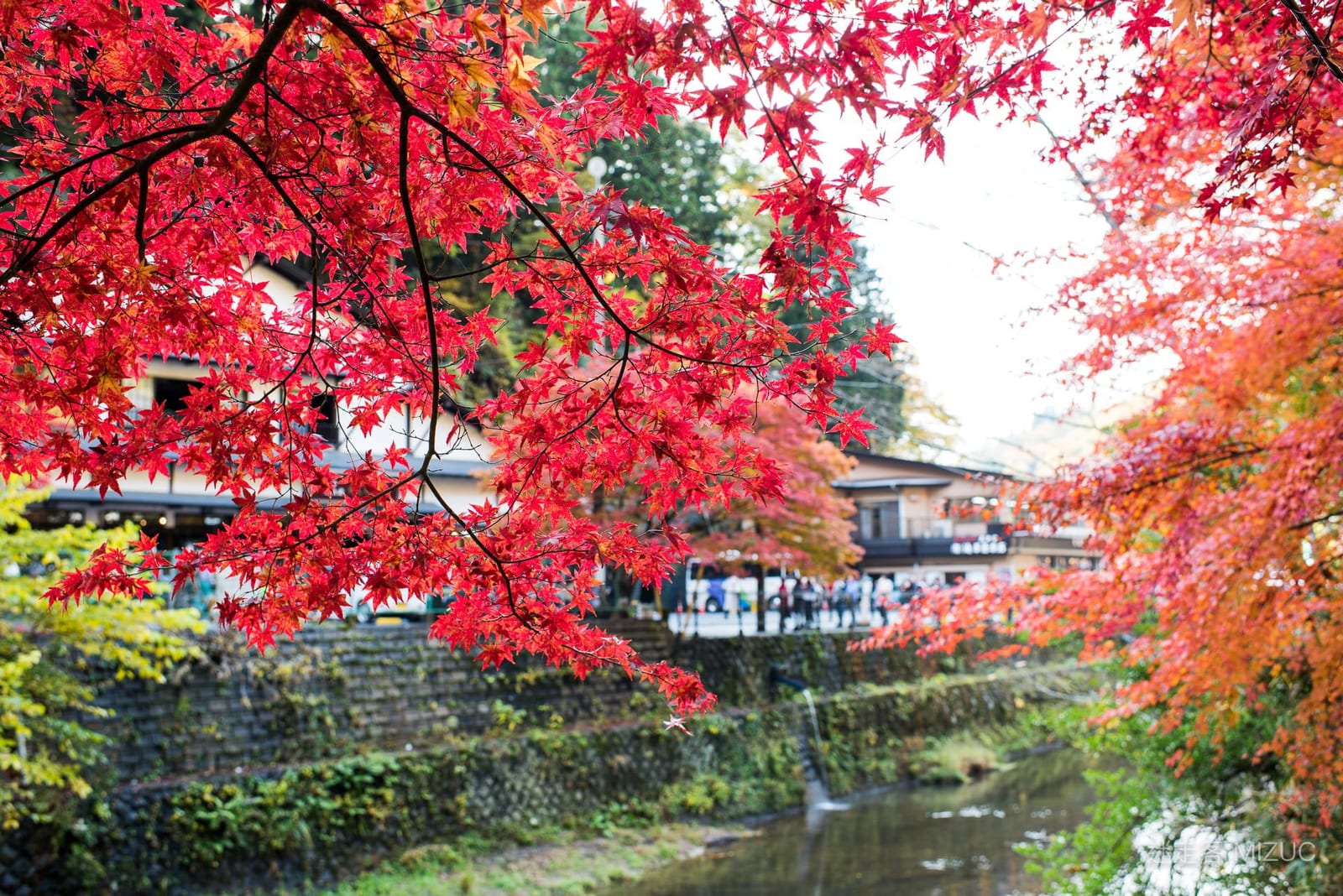
For this trip, Mizuc specifically chose the most comfortable season of the year, autumn, to rent a car from Tokyo Haneda International Airport. Together with my travel companion, we spent four days and three nights exploring Ibaraki, Tochigi, and Gunma, feasting on seasonal delicacies, taking in vibrant red maple forests under crisp air and pleasant sunshine, and, most importantly, soaking in outdoor rotenburo (natural hot springs) that rejuvenate the soul through ultimate sensory indulgence.
Our initial four-day itinerary covered a total driving distance of 776 km—a true “up before the roosters, running faster than horses” travel plan.
Day 1 of North Kanto Road Trip: Ibaraki Prefecture
On our first day, we took EVA Air departing from Taipei Songshan Airport.
Although Ibaraki borders the Pacific Ocean, it is celebrated not only for seafood but also for its bountiful terrestrial produce. Ibaraki’s local Hitachi beef (常陸牛) is a rigorously regulated brand of Wagyu. Raised exclusively on certified Ibaraki farms under strict environmental and feed guidelines for over 40 months, only about 8,000 cattle are produced each year, earning grade ratings between A5 and B4. Hitachi beef is distinguished by its delicate fat, fine marbling, and even distribution. In other words, it does not overwhelm you with greasy richness, offering instead an exquisitely balanced beef experience. The hotel prepared it as red wine beef stew and clear beef broth, accentuating the beef’s refined texture while complementing the rich collagen of anglerfish (monkfish).
With anglerfish and local delicacies from land and sea meticulously prepared, the dining table was almost overflowing.
Overall, the half-board dinner at Oarai highlighted local ingredients and showcased regional pride—a strong sense of local cohesion that we felt time and again throughout Oarai.
Day 2: Tochigi Prefecture
Day 3: Gunma Prefecture
Soba Noodles
In Takasaki City, we enjoyed soba noodles recommended by Daimonya. Beyond following the locals’ top recommendation, it was also time to lower our blood pressure and soothe our digestion!
When the Maitake dipping soba arrived at the table, the enormous maitake mushroom commanded the entire spread; I’d guess the original mushroom head was as wide as the bowl itself! As expected, it was succulent and plump. While mild on its own, a dusting of matcha salt made it taste like a pure bite of Japan! For the dipping sauce, chopped scallions, grated daikon radish, and wasabi were stirred into a bowl before pouring in the signature sauce. The buckwheat noodles were refreshing, clean, and satisfying, living up to expectations. Paired with the mildly pungent dipping sauce, the dish had vibrant character—reminiscent of a robust northern farmer with the scent of harvest fields, cheerfully asking what a tourist was doing wandering into the fields!
While we were eating, the proprietress brought over a pot of sobayu (hot buckwheat cooking water) to mix into the leftover dipping sauce. However, having almost finished every drop of the sauce with the noodles, what remained was a pure, fragrant bowl of comforting buckwheat broth!
The secret to staying energetic lies in gyoza!
Support Independent Perspectives & In-Depth Insights
Every thoughtful analysis and candid critique comes from our dedication to truth and quality. We choose not to follow sensational algorithms or clickbait headlines.
Sustaining independent research requires reader support. Make a one-time or monthly contribution, securely processed by Google.
Payments secured by Google · Manage or cancel anytime in your Google Account

Comments