
Having just wrapped up a 5-day, 4-night self-drive trip in Okinawa, Japan, I couldn’t wait to compile these observations and impressions into a comprehensive guide for travelers embarking on their own journey soon.
Perhaps the greatest takeaway from this Okinawa trip was observing human dynamics (unavoidable, really, when two out of the five days featured pouring rain). Several upcoming pieces will delve deeper into travel and interpersonal psychology.
Our traveling party grew to seven people this time, offering a useful blueprint for those organizing mid-sized independent tour groups.
Group size dramatically influences car rentals, ferry bookings, and accommodations. Our initial hopes of camping on Zamami Island in campervans had to be scrapped. Therefore, decide on your core itinerary before finalizing group size (yes, wrangling people can be tricky), lest the trip become an awkward compromise trying to appease everyone.
Below is a structured breakdown addressing the most common questions from prospective Okinawa travelers:
- Should we travel to Penghu or Okinawa?
- How should we search for hotels and hostels in Okinawa?
- What clothing should we pack for Okinawa?
- What food should we eat in Okinawa?
- What souvenirs are worth buying in Okinawa?
- Should we purchase extra checked baggage on low-cost carriers?
- Is renting a car for a self-drive trip recommended in Okinawa?
- How and where can you exchange foreign currency in Okinawa?
- Should we learn Japanese conversational phrases before visiting?
- Heading home: how best to get to Naha Airport (and the LCC Terminal)?
- The ultimate hidden piece of travel advice!
 Okinawa Girl
1. Should We Visit Penghu or Okinawa?
For an in-depth breakdown, please refer to our article Island Holiday: Water Sports in Penghu vs. Traveling in Okinawa, Japan.
2. Finding Hotels and Accommodations in Okinawa
When searching for Okinawa hotels, resorts, B&Bs, and youth hostels, we primarily relied on Agoda.com and Booking.com.
Booking through these international aggregators offers credit card payment, flexible cancellation policies (frequently fee-free), and extensive interior/exterior photo galleries. Best of all, genuine guest reviews and ratings provide indispensable reference points.
Personally, I lean toward Agoda.com because their hotel inventory in Asia is vast and competitive. Keep in mind that Agoda’s initial search listings display pre-tax figures, so you must proceed to the booking screen to see the final tally.
3. What Clothing Should We Pack for Okinawa?
As a general rule, there is only one major dress-code faux pas: never wear a formal business suit unless you are on a strict corporate assignment. Even the nightlife crowd wandering downtown Naha dresses casually.
Lean heavily into comfortable, breathable casual wear. Since you will inevitably encounter water (or get drenched in unexpected rainstorms), packing swimwear is non-negotiable.
Additionally, bring at least one comfortable outfit with supportive walking shoes for city strolls; downtown Naha is retail heaven for urban explorers.
Many hotels and guesthouses offer coin laundry and dryer machines. If you dislike heavy luggage, you can pack light and wash clothes as you go (I packed three days of clothing for a five-day itinerary). For backpackers flying budget airlines who wish to skip baggage fees, traveling light is a vital skill.
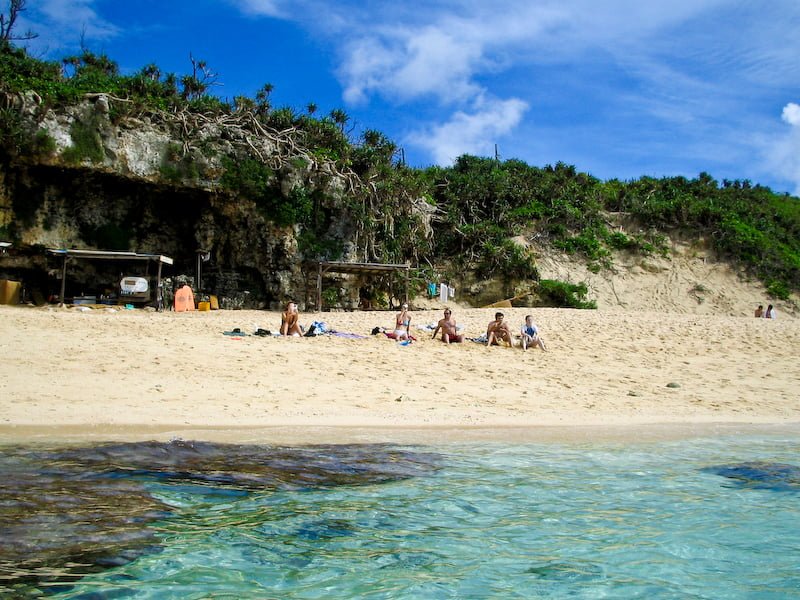
Okinawa Beach
4. What Food Should We Eat in Okinawa?
Okinawa boasts three iconic ingredients: Ishigaki beef, native Agu pork, and a magnificent bounty of fresh seafood (including sea grapes, midsummer sea urchin, fresh oysters, sashimi, and spiny lobsters).
Beyond high-end specialty restaurants, I especially love picking up local ingredients at Makishi Public Market, Tomari Port Fish Market (Tomari Iyumachi), or regional supermarkets and cooking them in a guesthouse kitchen.
Local supermarkets are incredible to explore—chock-full of fresh regional delicacies at budget-friendly prices.
For more details, see our article Travel Perspective: True Local Flavors Are Hidden in Home Kitchens and Neighborhood Supermarkets.
5. What Souvenirs Should We Buy in Okinawa?
For Okinawa’s renowned brown sugar products, my top picks are brown sugar roasted peanuts and pure brown sugar powder.
Beyond that, supermarket snack aisles, drugstores in American Village, and electronics mega-stores in Omoromachi (Shintoshin) are well worth browsing—provided you have enough luggage space.
6. Should We Pay for Add-On Checked Baggage on Budget Airlines?
Peach Aviation represents a textbook low-cost carrier model: other than the seatbelt buckled around you, every additional amenity comes with a fee.
Seasoned Japan travelers know the golden rule: fly out light, fly home full.
Therefore, for maximum cost savings, avoid paying for checked bags on the outbound leg. Purchase the checked luggage allowance only for your return flight, and consider buying an affordable new suitcase locally to bring everything home.
7. Is Renting a Car and Self-Driving Recommended in Okinawa?
Without question, renting a car is the most flexible, rewarding way to explore the island of Okinawa.
Since Japan drives on the left side of the road, driving habits differ noticeably from right-hand-traffic countries. Juggling unfamiliar left-side controls while deciphering an in-car GPS navigation screen can be mentally taxing for the driver.
My recommendation: designate a navigator in the front passenger seat who is skilled with maps, and place your trust in them. Even if they occasionally misjudge a turn at first, a dedicated co-pilot can parse directions far faster than an active driver.
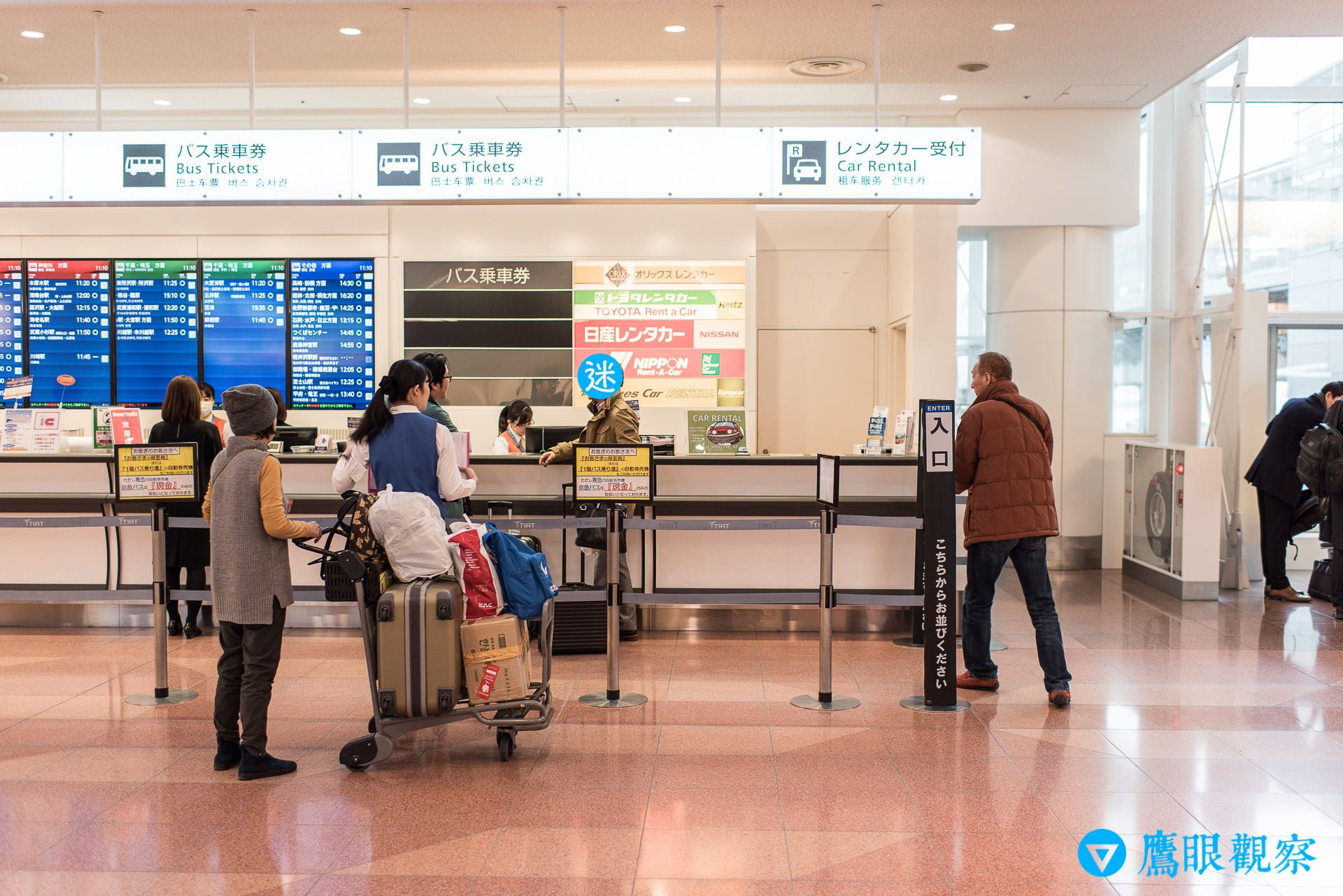
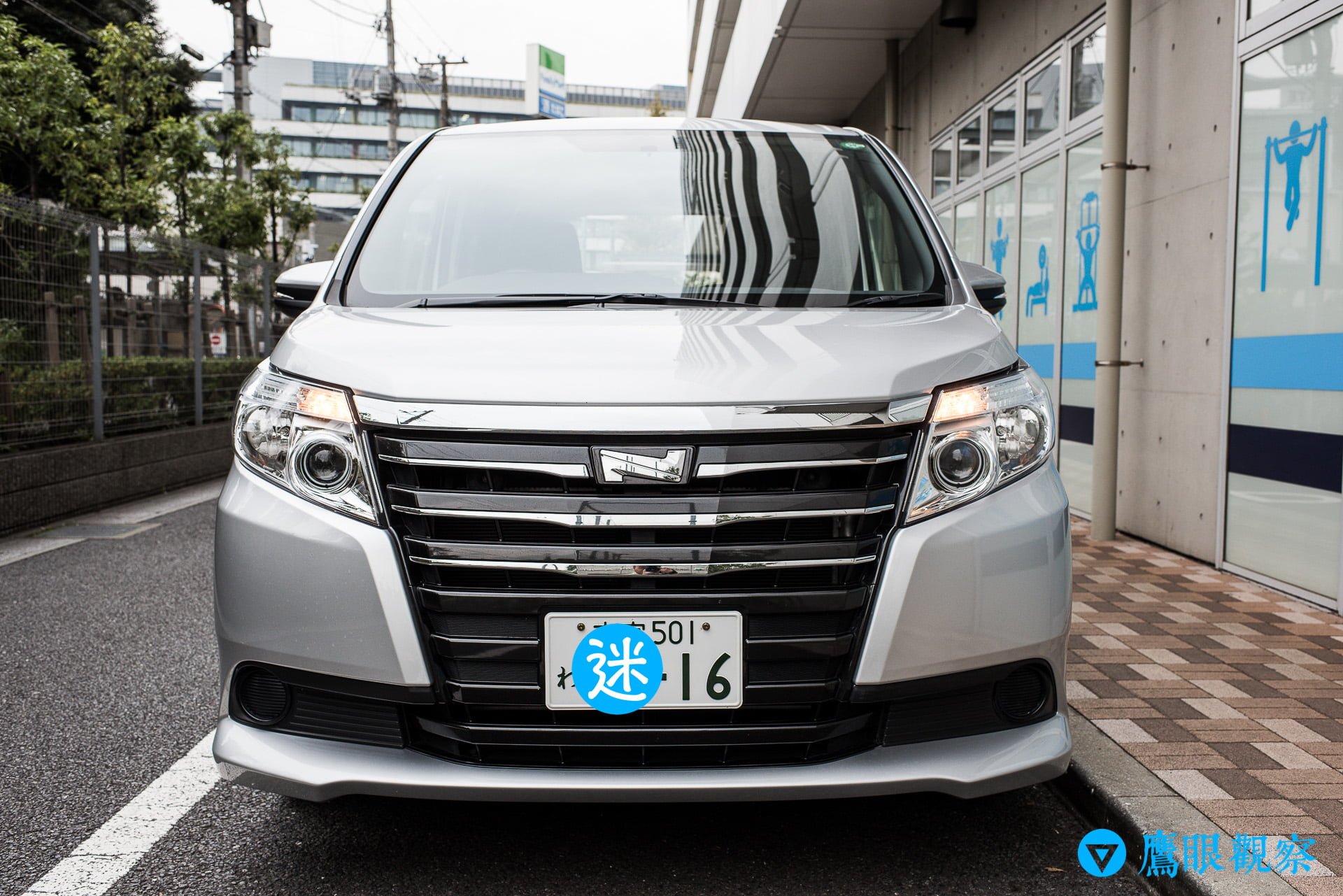
We rented through OTS. If picking up right from the airport, OTS has service desks at both Naha Main and LCC terminals. Staff will guide you onto a shuttle bus straight to the OTS Rinku Toyosaki branch.
Pro Tip: If a large crowd boards the shuttle together, immediately head to the ticket counter on the right side of the arrival lobby after stepping off to purchase discounted attraction tickets and tour bookings. If traveling in a group, divide tasks: one person queues for car pickup, one gathers luggage off the shuttle, and another secures attraction passes.
8. Currency Exchange in Okinawa
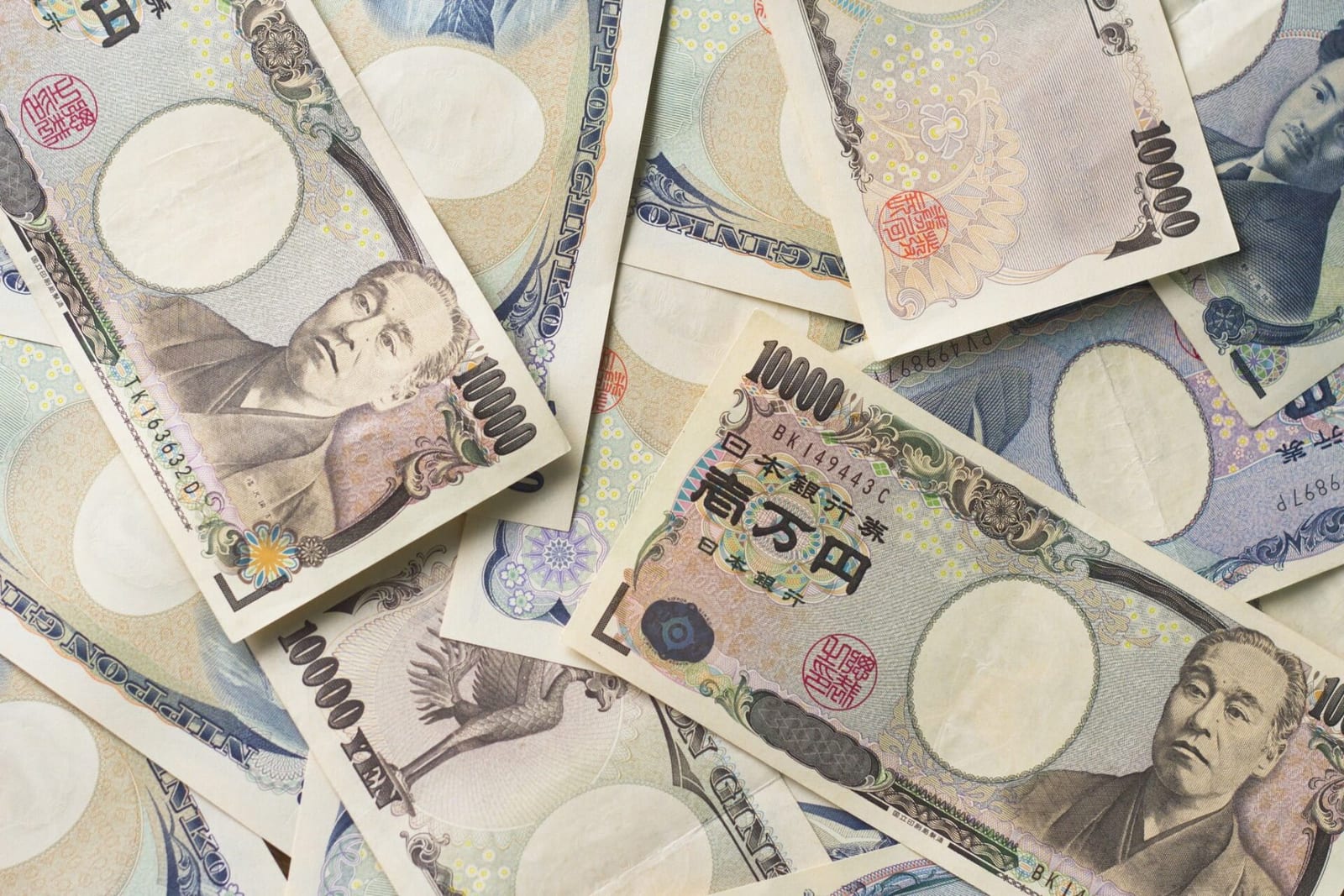
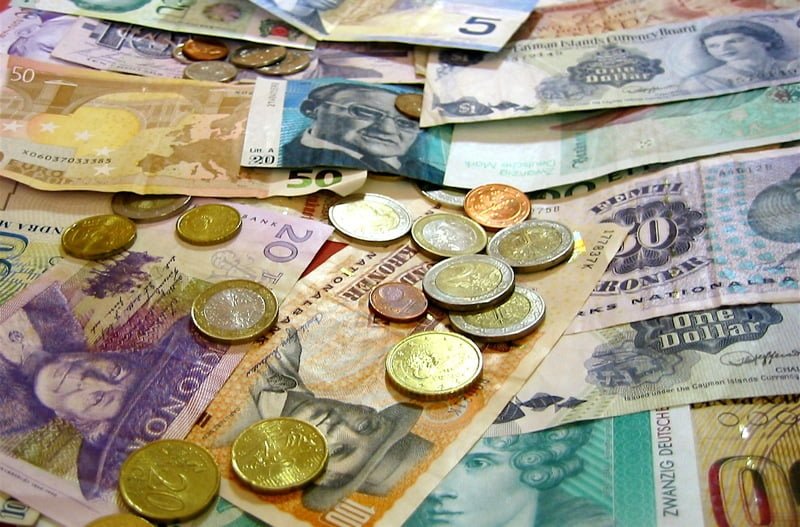
While an earlier article listed nine physical exchange locations across Okinawa (Japan Travel: 9 Currency Exchange Spots in Okinawa), on-site inspection revealed that bank buy rates hovered between 12 and 14.30—significantly worse than domestic bank rates back home[1].
Whether holding New Taiwan Dollars (NTD), US Dollars (USD), or Renminbi (RMB), we strongly advise exchanging your money domestically before departure. Even paying a modest transaction fee at Taoyuan International Airport before boarding is far more economical than exchanging cash on the island.
9. Should You Learn Basic Japanese Phrases?
Even if you don’t speak Japanese or have no desire to study the language just for a vacation, mastering a few polite essentials is invaluable: greetings, apologies, and sincere expressions of gratitude—delivered with an open, genuine smile.
Okinawa is an established international tourist hub, and with American military bases located on the island, basic English is widely understood in shops and restaurants. Furthermore, many venues now offer on-demand phone translation services for Mandarin-speaking travelers.
10. Heading Home: Getting to Naha Airport (and LCC Terminal)
Common routes to Naha Airport include the Yui Rail monorail, taxis, airport shuttles, and rental car drop-off shuttles.
Unless using hotel or OTS drop-off shuttles, hailing a taxi is often the smoothest option.
A taxi ride from downtown Naha to the airport runs approximately ¥1,200 to ¥1,500 (roughly NT$360–450). Japanese taxis are spacious; a standard cab accommodates four passengers and easily holds three large suitcases in the trunk (ideal for a party where three check luggage and one carries on).
By comparison, the monorail costs over ¥200 per person and requires dragging heavy suitcases through stations and platforms—only recommended for ultra-budget travelers.
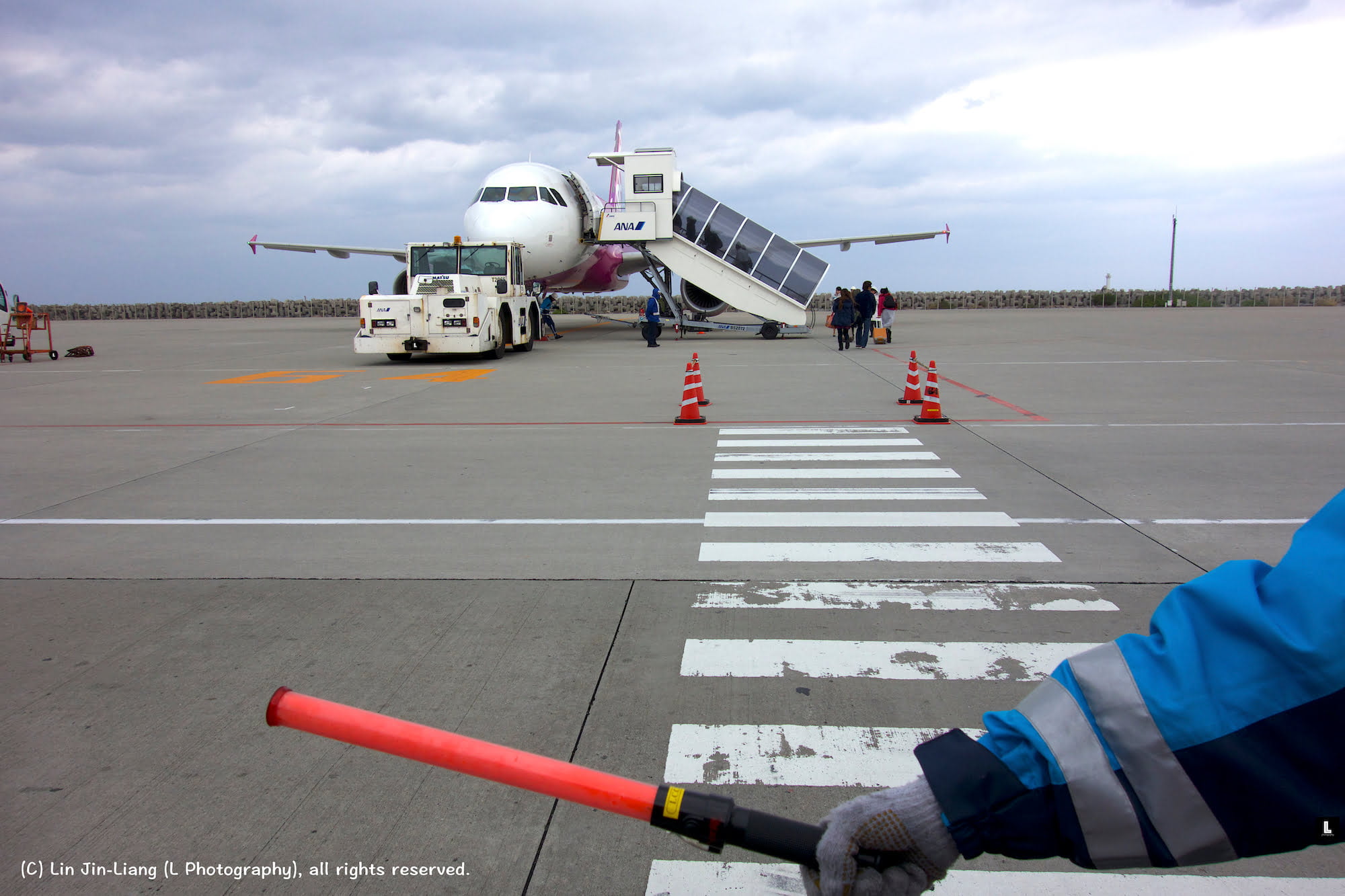
Peach Aviation preparing for departure at Naha Airport (credits: Jinliang Lin).
The Ultimate Travel Advice
If you are traveling with companions rather than solo or with an intimate partner, remember this above all: choose your travel partners wisely.
When exploring abroad, there is simply no such thing as a “must-see,” “must-know,” “must-play,” or “must-eat.” The concept of “must” holds zero inherent meaning in genuine travel. The landscapes and encounters you experience can never be dictated by the handful of anecdotes a blogger posts online.
If you rely solely on travel guides or blog lists to dictate how you experience a foreign destination, you might as well stay home on your sofa, sipping imported beer from Prosperity Plaza Taiwan (formerly Carrefour), munching on foreign snacks, and watching travel documentaries on a big screen.
True travel is walked on your own two feet, discovered through conversations, witnessed through your own eyes, felt through your hands touching history, breathed through the unknown fragrances of local kitchens, heard through unfamiliar dialects, and finally synthesized by your own mind into an authentic relationship with the land. Dedicated to every traveler about to step out the front door.
Further Reading & Notes
- One newly established exchange chain advertised very competitive rates on its website, but reality fell far short. Another location on Kokusai Dori was actually an ice cream shop that, while offering exchange services, quoted an exorbitant 800 RMB for 10,000 JPY.
- Japan Travel: Looking forward to our May Okinawa trip via Peach Aviation.
- ✈️ Flights: Skyscanner international flight search / Expedia flight specials.
- 🏨 Hotels: Agoda hotel search and booking discounts / Japan guesthouse recommendations.
- 🚗 Car Rentals: Rental car search and reservations / Japan car rental guide.
Support Independent Perspectives & In-Depth Insights
Every thoughtful analysis and candid critique comes from our dedication to truth and quality. We choose not to follow sensational algorithms or clickbait headlines.
Sustaining independent research requires reader support. Make a one-time or monthly contribution, securely processed by Google.
Payments secured by Google · Manage or cancel anytime in your Google Account


Comments