

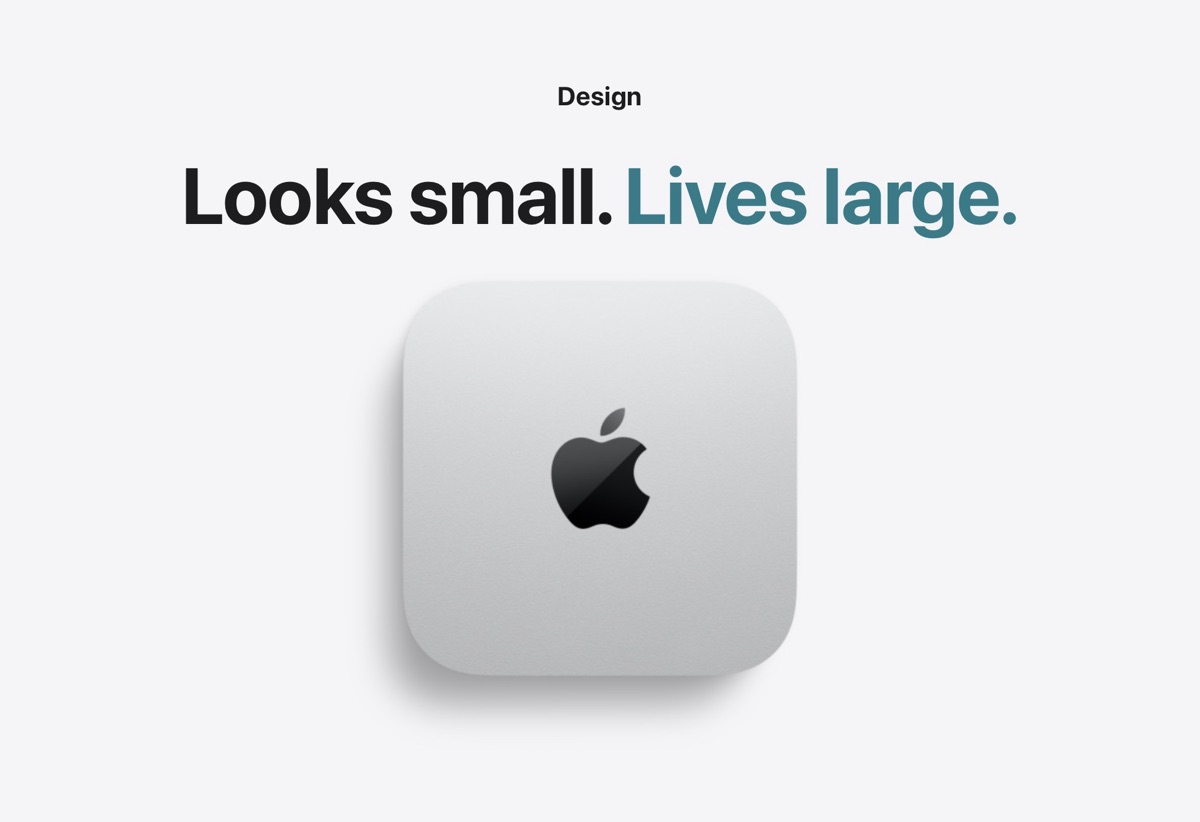
Ever since Apple rolled out the redesigned chassis for the M4 and M4 Pro Mac mini in late 2024, cutting volume by half while doubling performance, this compact powerhouse has become the gold standard for developers and digital creatives alike. Yet as 2026 unfolds, enthusiast interest is already shifting toward the next horizon: When will the next-generation M5 Mac mini make its official debut?
If you are torn between upgrading right now or holding out as part of the “wait-and-see squad” for the M5 generation, this architectural breakdown examines historical product cadences, supply chain silicon roadmaps, and evolving AI requirements to help you decide.
1. Historical Cadence: Apple Marches to Its Own Drum
Looking back across the Apple Silicon era, the Mac mini has rarely followed the strict annual rhythm of the iPhone. After the initial M1 release, users waited over two years for the M2 revision, while the entire M3 generation was bypassed entirely for the desktop mini. It was not until late 2024 that Apple unveiled its historic physical overhaul with the M4 series.
Following a major thermal and enclosure redesign, Apple historically adheres to an 18 to 24-month hardware lifecycle. That trajectory indicates an M5 Mac mini is unlikely to surface before late 2026 at the earliest.
2. The Silicon Architecture Behind M5: N3P and SoIC Packaging
Why has anticipation around the M5 platform run so high? The excitement centers on two foundational silicon milestones:
- Refined Node Optimization: Supply chain telemetry points to the M5 leveraging TSMC’s enhanced 3nm (N3P) lithography. While 2nm is on the horizon, cutting-edge sub-2nm allocation is traditionally prioritized for premier iPhone platforms.
- 3D Packaging Advances: Reports indicate M5 will introduce TSMC’s SoIC (System-on-Integrated-Chips) 3D stacking. Simply put, vertical die integration fits substantially higher transistor counts and cache density into constrained spaces while drastically improving thermal dissipation. In a palm-sized chassis like the Mac mini, thermal headroom is everything—enabling sustained 8K video exports and on-device AI inference without thermal throttling.
3. Predicted Launch Window: Autumn 2026 Remains Most Probable
Evaluating historical launch cycles alongside Apple’s 2026 roadmap, two possible announcements emerge:
- Primary Forecast: October or November 2026: Autumn has long served as Apple’s premier launchpad for Mac silicon upgrades. Given that the M4 enclosure was introduced recently, a two-year spacing represents the most balanced cadence for enterprise and consumer buyers.
- Aggressive Outlier: WWDC in June 2026: Should Apple decide to accelerate its AI PC push to showcase expanded Apple Intelligence capabilities within macOS, an early mid-year preview remains a secondary possibility.
4. Conclusion: Buy the M4 Now or Hold Out for M5?
For anyone currently evaluating their setup: the M4 generation already delivers workstation-grade headroom for modern workloads. If you have immediate production or creative needs, upgrading today delivers immediate dividends.
However, if your primary interest lies in next-generation local AI computing density or investing in a fully mature iteration of TSMC’s 3nm architecture, waiting for the late 2026 M5 debut will prove well worth your patience.
Support Independent Perspectives & In-Depth Insights
Every thoughtful analysis and candid critique comes from our dedication to truth and quality. We choose not to follow sensational algorithms or clickbait headlines.
Sustaining independent research requires reader support. Make a one-time or monthly contribution, securely processed by Google.
Payments secured by Google · Manage or cancel anytime in your Google Account



Comments