
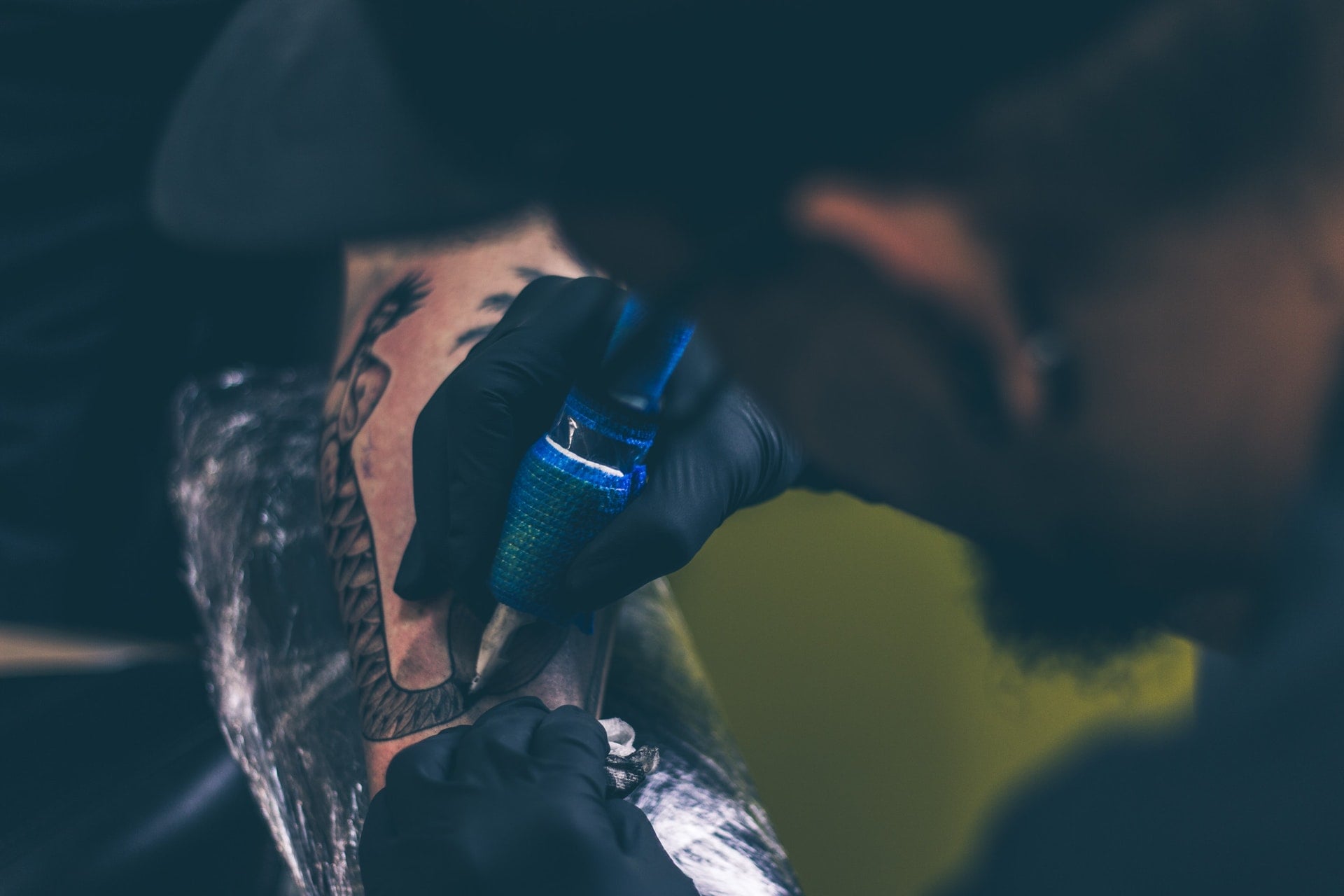
Tattoo enthusiasts should be vigilant: health authorities in the United States recently announced that several batches of tattoo ink were found to be contaminated with microorganisms. Both tattoo studios and consumers are strongly advised to inspect ink materials carefully to safeguard their personal health.
Using contaminated tattoo inks can lead to serious skin infections, manifesting as rashes or red papules erupting in areas exposed to the ink. Because these symptoms closely resemble allergic dermatitis, individuals experiencing signs of infection or physical discomfort after getting a tattoo should seek medical attention without delay.
Although the Centers for Disease Control (CDC) under the Ministry of Health and Welfare of the Republic of China (ROC) has issued official notices calling on domestic tattoo practitioners to exercise strict self-discipline and avoid using contaminated tattoo inks, the risk remains. Given that imported tattoo consumables carry higher price tags and are difficult to return overseas, the possibility that unscrupulous operators might still utilize non-compliant inventory cannot be entirely ruled out. Consumers visiting tattoo parlors are strongly urged to proactively verify product batch numbers before any procedure.
According to a recall report issued by the US Food and Drug Administration (FDA) on May 15, 2019 regarding tattoo inks contaminated with microorganisms[1], the following tattoo ink products must be avoided for application or distribution:
- Scalpaink SC, Scalpaink PA, and Scalpaink AL basic black tattoo inks manufactured by Scalp Aesthetics (all lots).
- Black tattoo ink manufactured by Dynamic Color Inc. (Lots 12024090 and 12026090).
- Dark Black (Red) tattoo ink manufactured by Color Art Inc. (Lot 10.19.18).
In response to this incident, the ROC CDC is coordinating with professional tattoo, cosmetic eyebrow, and body art associations to remind industry operators not to use these flagged brands. Relevant government ministries are also assisting in verifying whether any non-compliant inks were officially imported. When receiving tattoo or permanent makeup services, consumers should proactively inquire about the specific ink brands and lot numbers being applied to ensure their own safety and health.
References:
- FDA Advises Consumers, Tattoo Artists, and Retailers to Avoid Using or Selling Certain Tattoo Inks Contaminated with Microorganisms.
Support Independent Perspectives & In-Depth Insights
Every thoughtful analysis and candid critique comes from our dedication to truth and quality. We choose not to follow sensational algorithms or clickbait headlines.
Sustaining independent research requires reader support. Make a one-time or monthly contribution, securely processed by Google.
Payments secured by Google · Manage or cancel anytime in your Google Account



Comments