
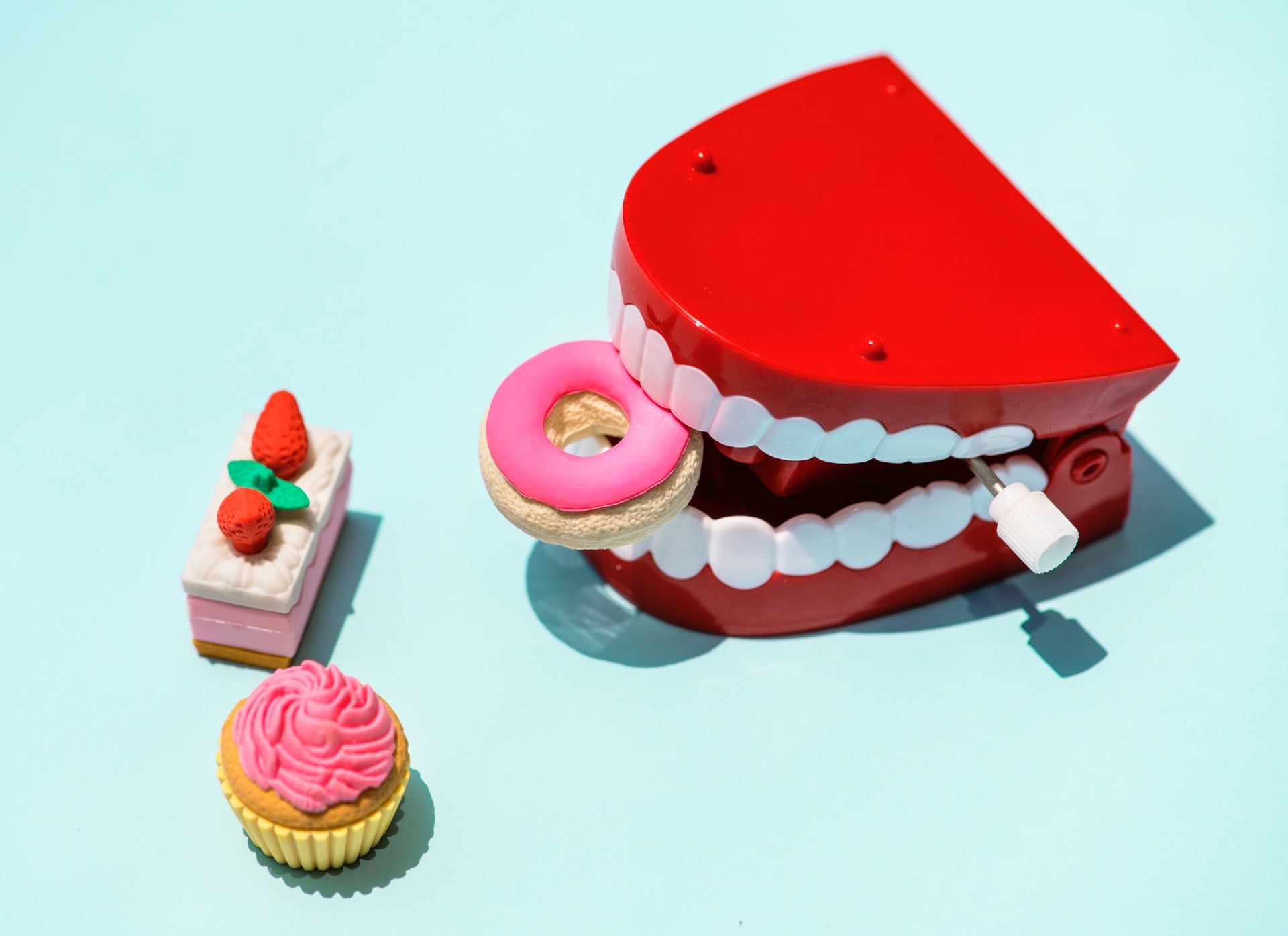
The Food and Drug Administration of the Ministry of Health and Welfare, Republic of China (ROC) (hereinafter ROC FDA) recently announced that the topical oral anesthetic Benzocaine—commonly found in dental clinics and over-the-counter teething gels—has been confirmed by international health bodies to carry the risk of triggering Methemoglobinemia, a rare but life-threatening blood disorder. Young children face heightened vulnerability, with severe cases leading to permanent brain hypoxia or fatality!
The ROC FDA initially mandated on September 13, 2012, that Benzocaine packaging must state: “Unless under the supervision and guidance of healthcare professionals, this product should not be administered to infants and young children under 2 years of age.”
Following updated clinical evaluations, the agency has enacted a strict official ban effective May 20, 2019: all pharmaceuticals containing Benzocaine are strictly prohibited from being prescribed, dispensed, or administered to infants and children under 2 years old.
Furthermore, manufacturers and pharmaceutical distributors must complete label revisions and package insert updates by January 31, 2020, clearly printing black-box warnings and contraindication alerts. Failure to comply will result in revocation of pharmaceutical licenses in accordance with the Pharmaceutical Affairs Act.
What Is Methemoglobinemia?
Methemoglobinemia is a condition where abnormal levels of methemoglobin form in the bloodstream, severely diminishing the blood’s capacity to release oxygen to vital organs and brain tissues.
Signs of methemoglobinemia include:
- Pale, grayish, or bluish discoloration of the skin, lips, and nail beds (cyanosis)
- Shortness of breath, rapid heart rate, fatigue, and confusion
- Dizziness, lethargy, loss of consciousness, and seizures
Because early symptoms can emerge within minutes to hours after Benzocaine application, parents should never use over-the-counter numbing gels or sprays for teething discomfort in infants. Soothing teeth with chilled teething rings or gentle gum massage with a clean, damp cloth is the safest clinical recommendation.
Support Independent Perspectives & In-Depth Insights
Every thoughtful analysis and candid critique comes from our dedication to truth and quality. We choose not to follow sensational algorithms or clickbait headlines.
Sustaining independent research requires reader support. Make a one-time or monthly contribution, securely processed by Google.
Payments secured by Google · Manage or cancel anytime in your Google Account



Comments