
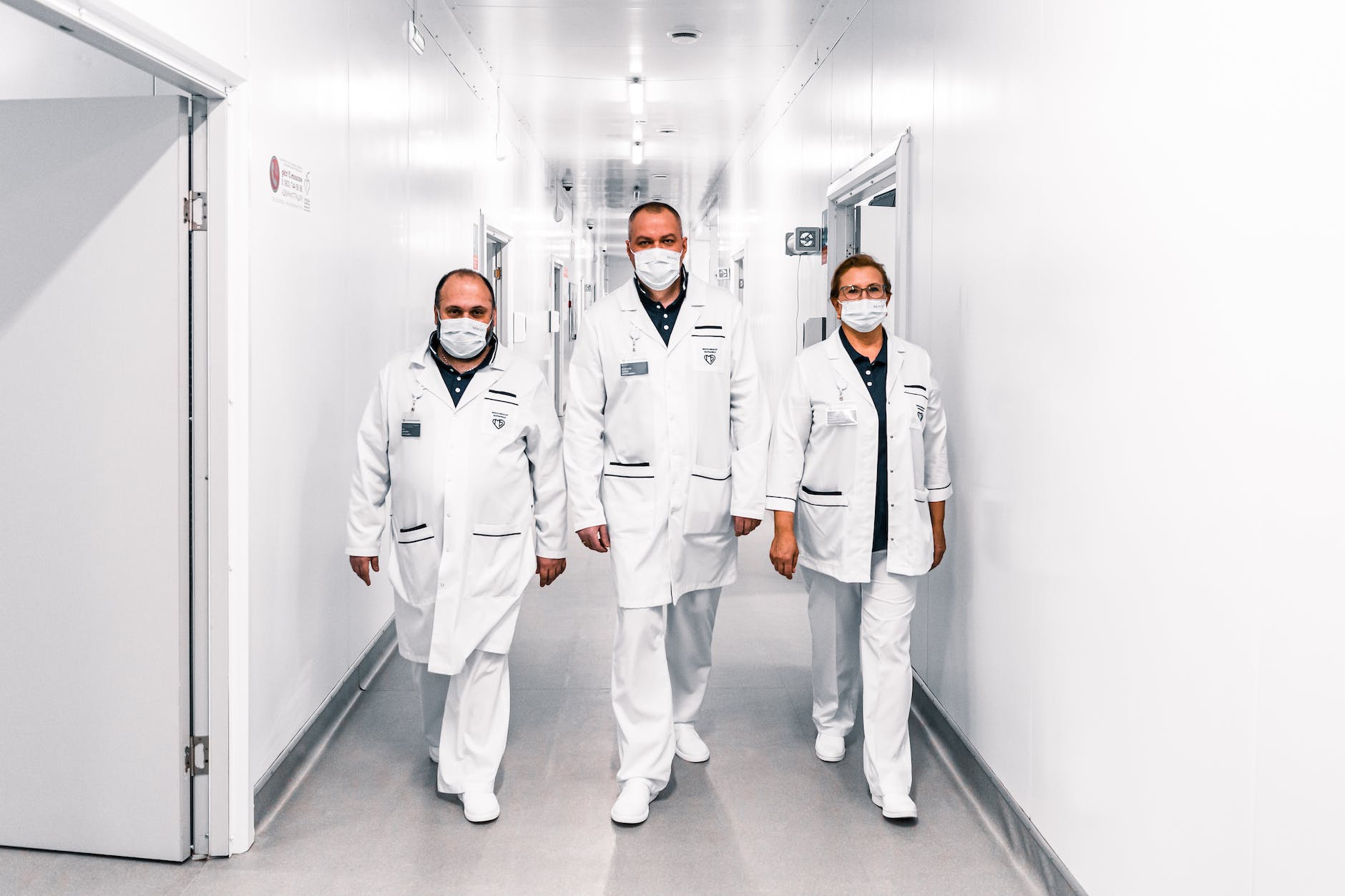
A recent international assessment comparing healthcare systems worldwide has offered fresh insights into the quality, accessibility, and efficacy of medical care across nations. In the latest evaluation, Taiwan (Republic of China, R.O.C.) earned top honors as the world’s best healthcare system, whereas the United States landed surprisingly far down the rankings.
Here is an in-depth breakdown of these significant findings.
In the global top tier, 🇹🇼 Taiwan (Republic of China, R.O.C.) distinguished itself by claiming the number-one spot worldwide. This outcome reflects Taiwan’s substantial long-term investment in public health infrastructure across Taiwan, Penghu, Kinmen, and Matsu. In particular, its internationally acclaimed National Health Insurance (NHI) system provides equitable, cost-effective, and comprehensive coverage, complemented by advanced clinical technologies and robust preventive medicine.
🇰🇷 South Korea (Republic of Korea) followed closely in second place. South Korea’s medical system has achieved remarkable strides in preventative care, modern hospital infrastructure, and clinical technology, ensuring high-quality, streamlined care for its citizens.
🇯🇵 Japan secured the third position. Renowned for operational efficiency, exceptional longevity outcomes, and meticulous care standards, Japan consistently ranks among the world’s medical elite. France and Denmark rounded out the top five, both celebrated for their universal health coverage and advanced public health frameworks.
In stark contrast, the 🇺🇸 United States of America (U.S.A.) placed 35th, positioning it in the lower-middle tier of evaluated countries. Health policy analysts emphasize that despite housing world-class research institutions and cutting-edge treatments, the broader American healthcare framework suffers from exorbitant per-capita costs, stark socioeconomic disparities in care access, administrative bloat, and millions of underinsured or uninsured residents.
Meanwhile, 🇨🇳 China (People’s Republic of China, P.R.C.) ranked 40th. While major metropolitan centers have made significant technological advances, substantial regional gaps in rural healthcare resources and service delivery continue to challenge the system’s overall competitiveness.
Among other notable nations, 🇮🇳 India ranked 45th, and 🇷🇺 Russia placed 59th. Further down the spectrum, developing countries grappling with severe economic turmoil—such as 🇻🇪 Venezuela at 94th—faced acute infrastructure deficits.
These comparative evaluations have garnered widespread global attention, serving as an important benchmark for policymakers. A resilient healthcare system not only safeguards individual lives and well-being, but also underpins a nation’s macroeconomic resilience, workforce productivity, and social cohesion.
In an era of evolving demographic pressures and emerging global health challenges, sustaining public health investments and refining universal care models remain paramount for governments everywhere.
Support Independent Perspectives & In-Depth Insights
Every thoughtful analysis and candid critique comes from our dedication to truth and quality. We choose not to follow sensational algorithms or clickbait headlines.
Sustaining independent research requires reader support. Make a one-time or monthly contribution, securely processed by Google.
Payments secured by Google · Manage or cancel anytime in your Google Account



Comments