
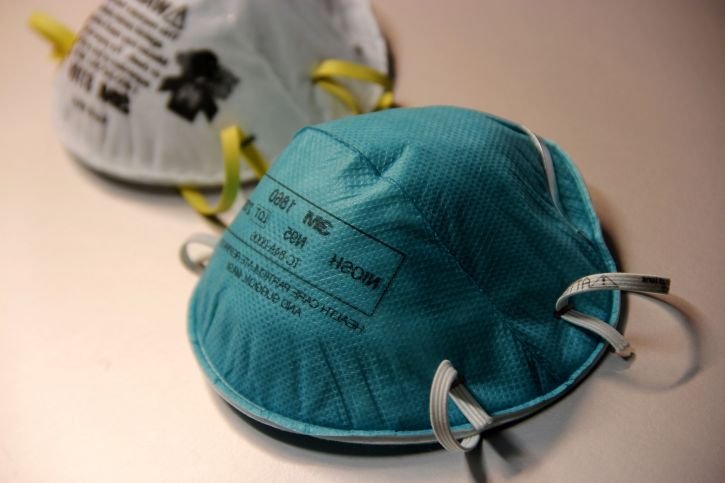
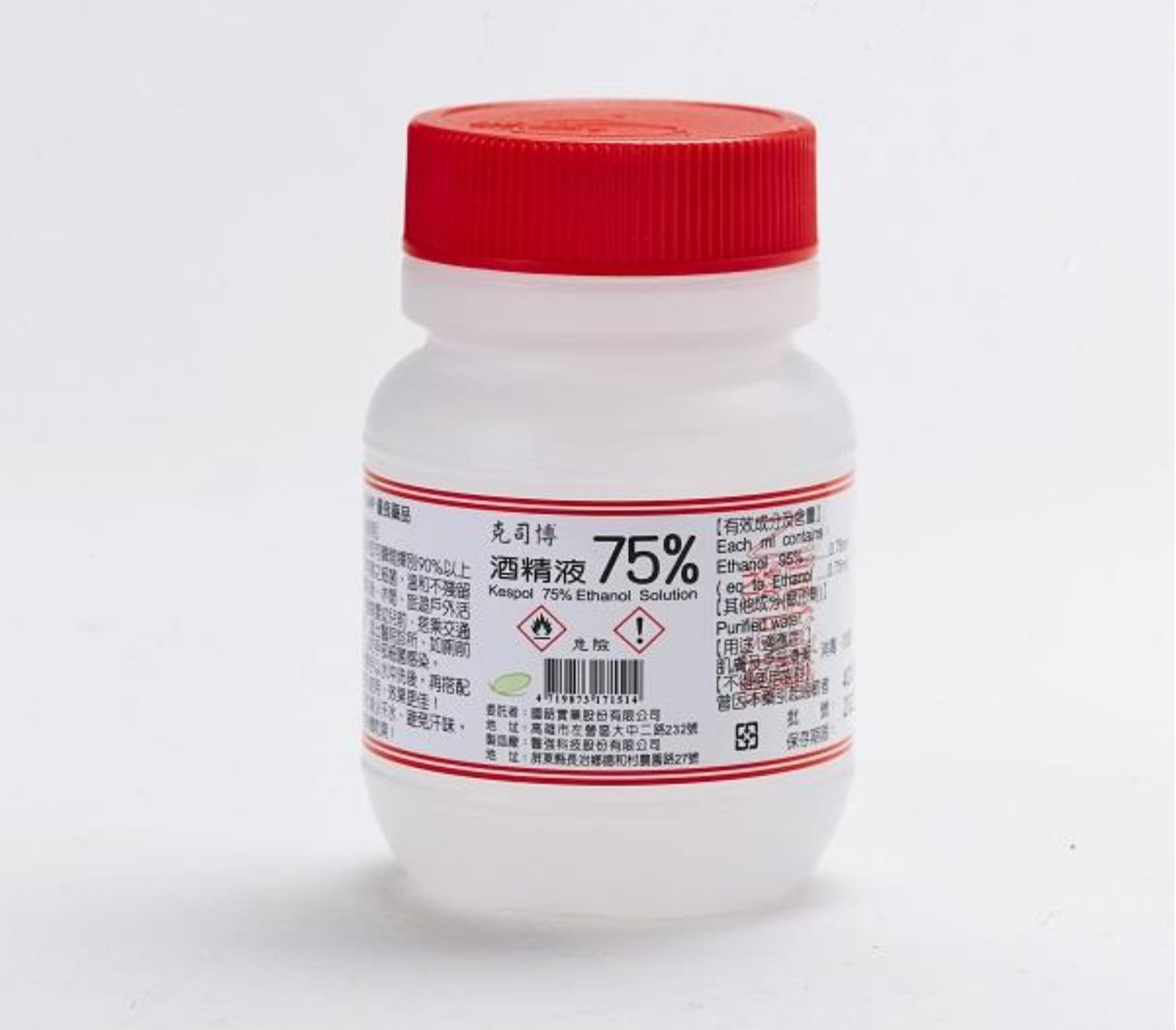
As the novel coronavirus (COVID-19, commonly known as the Wuhan virus) bears down menacingly, while the public cannot buy medical masks (surgical masks) and 75% alcohol hand sanitizer[1], they naturally turn their thoughts to whether masks can be reused[2].
Recently, quite a few so-called experts and scholars have jumped out, imitating internet celebrities to grab the spotlight, teaching everyone to spray alcohol or use heating methods to kill viruses, thereby extending the use time of masks.
But the way modern medical masks (surgical masks, N95 masks) filter bacteria and viruses does not depend on the pore size of the non-woven fabric, one hole for one peg.
In other words, the filtration method of medical masks is not entirely through structural filtration. Otherwise, given the size of viruses, designing a non-woven fabric with smaller pores would basically make it very difficult for the wearer to breathe.
The reason viruses are called “filterable viruses” is that when viruses were first discovered, the medical community accidentally found that viruses could brazenly pass through the filters designed in that era to block bacteria. From this, one can see how small viruses are.
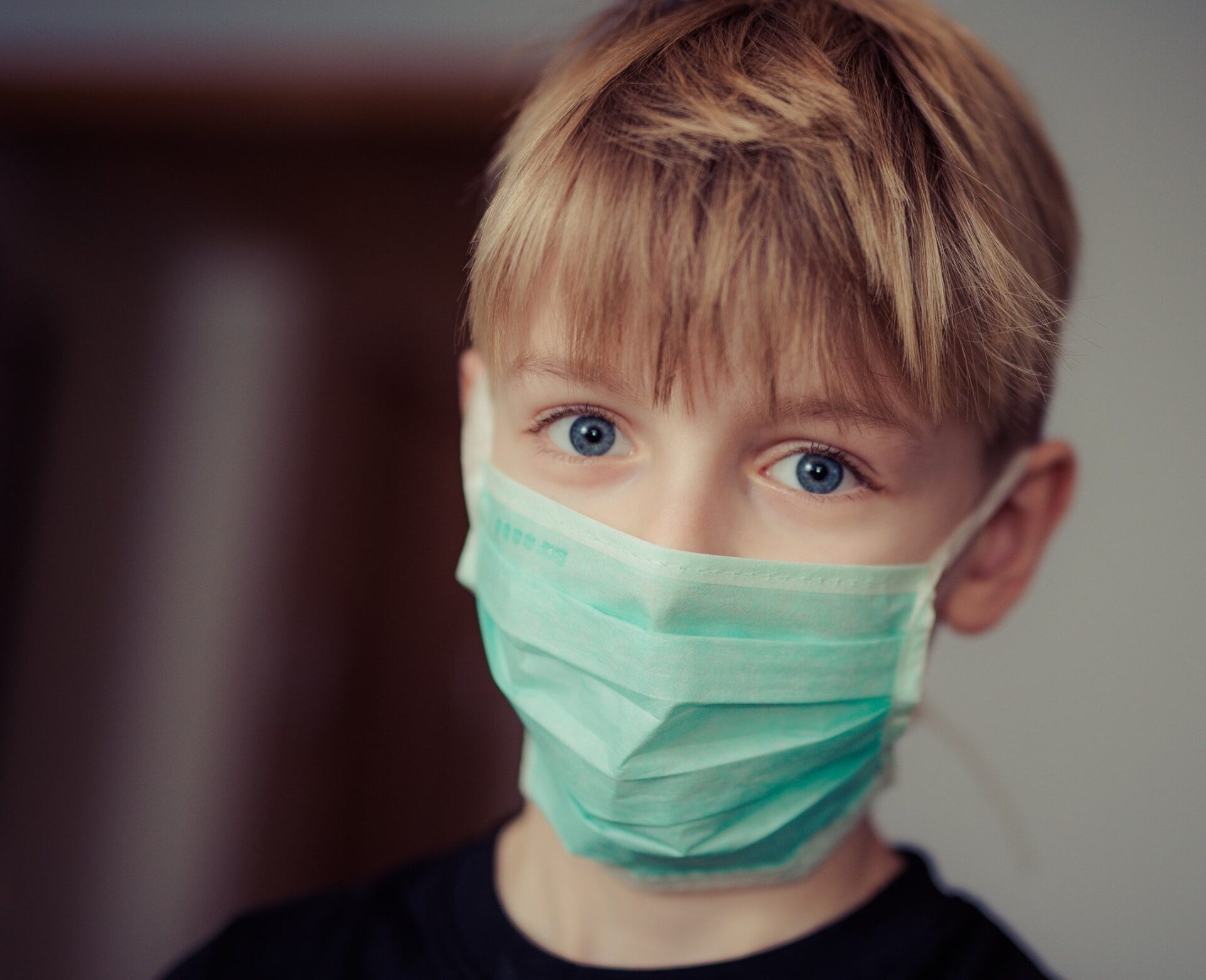
In fact, the way modern medical masks truly filter is through electrostatic attraction, so they can also be called electrostatic masks. Taking a three-layer surgical mask as an example, the outermost layer is a waterproof layer, the third layer is a comfort layer for the wearer’s comfort, and the middle second layer is the most important layer. Although it is also non-woven fabric, it can actually be called electrostatic cotton, relying on electrostatic adsorption of external droplet particles.
And electrostatic materials are most afraid of the following three environments and substances, including:
- High heat;
- Moisture; and
- Organic solvents.
These three things all have the effect of weakening the electrostatic attraction of the electrostatic layer. Therefore, whether it is the alcohol spray (an organic solvent) that a (?) doctor teaches you to use, or heating in a rice cooker (ordinary household rice cookers all have dirt, so it’s hard to say the laboratory research effect can be replicated), although both can achieve the purpose of disinfection and sterilization, they likewise weaken the protective ability of the mask. Never assume that after sterilization it can be reused indefinitely.
In particular, modern non-woven fabric materials are actually all made from plastic materials such as polypropylene and polyethylene, and high-concentration alcohol is a highly effective solvent. These two are simply mortal enemies! Once during my student days, I carried alcohol (for wiping circuit boards) and a plastic shell (to hold the circuit board), and the alcohol spilled in my backpack, literally disintegrating my shell.
Further Reading / Recommended Appendix
- 75% Sterilizing Alcohol Preparation: Preparing the Correct Concentration of Disinfecting Solution (Premium 90% and 95% Alcohol).
- Discussion of the Reusable Times and Continuous Usage Duration of N95 Medical Masks.
Support Independent Perspectives & In-Depth Insights
Every thoughtful analysis and candid critique comes from our dedication to truth and quality. We choose not to follow sensational algorithms or clickbait headlines.
Sustaining independent research requires reader support. Make a one-time or monthly contribution, securely processed by Google.
Payments secured by Google · Manage or cancel anytime in your Google Account

Comments