
Regarding how many times an N95 medical mask can be reused, the U.S. Centers for Disease Control and Prevention (CDC) guidance on pandemic preparedness, “Recommended Guidance for Extended Use and Limited Reuse of N95 Filtering Facepiece Respirators in Healthcare Settings,“1 notes that, given variables such as the usage environment and contamination concentration, there is currently no effective way to determine the maximum safe number of uses for an N95 medical mask.
However, the CDC also knows that masks may be severely scarce during a pandemic and does not explicitly prohibit people from reusing N95 masks.
But the premise is a well-controlled environment (away from virus exposure areas, with removed masks stored in a clean, ventilated place) and educated usage habits (such as not touching the mask with dirty hands, maintaining good hygiene and cleaning practices, etc.) to avoid cross-contamination of the mask.
The article specifically points out that N95 masks must be discarded immediately when leaving high-risk care areas, when the mask is obviously damaged, or when contaminated by body fluids such as blood or nasal secretions.
In addition, past research on mask reuse in medical institutions3,4 indicates that even with repeated wearing, statistical analysis shows it should be limited to 5 times, which saves consumables while maintaining the maximum level of hygienic protection.
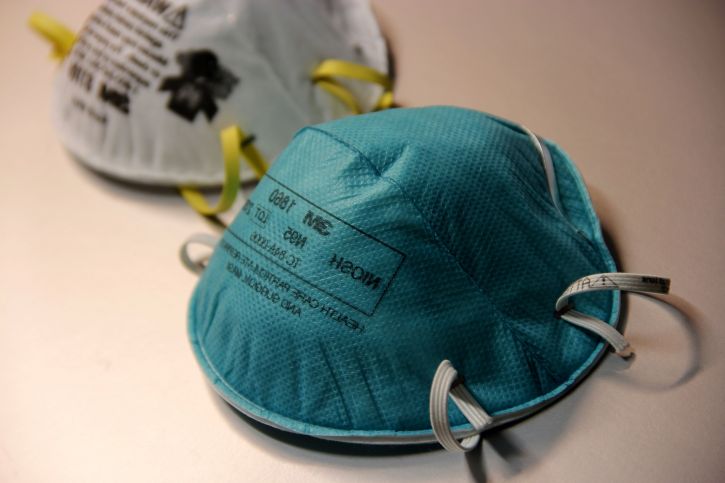
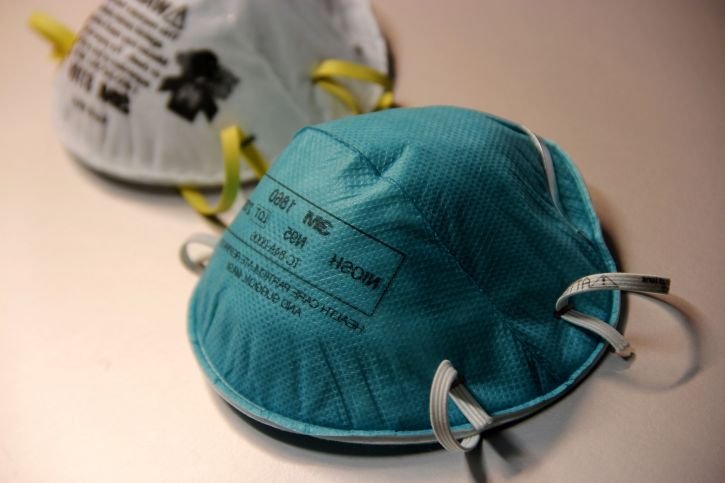
N95 mask
As for how long an N95 mask can be worn continuously, apart from the contamination and damage reasons mentioned above, it mainly depends on the length of time the wearer finds acceptable.
Due to the N95’s high-filtration design, prolonged wearing causes poor air circulation and a feeling of breathing difficulty. I once heard of a doctor who, after putting on an N95 mask, used a pulse oximeter to measure and found that blood oxygen saturation dropped immediately after wearing it.
After research, the U.S. CDC found that in workplaces without heavy dust, the mask can be worn continuously or intermittently for at least 8 hours—already the length of an ordinary person’s workday—so wearing one mask for a whole day is no problem.
The above CDC health guidance, while not prohibiting mask reuse, repeatedly reminds that N95 mask hygiene needs strict control. Besides passive contamination from the environment and others, research shows a nurse touches the mask at least 25 times during prolonged wearing, so it is even more important for wearers to maintain good personal hygiene (including cleaning hands before and after wearing the mask, not touching the inside of the mask, and staying alert to contamination at all times) to avoid active contamination.
Of course, there are people in the world who reuse N95 masks for one or two weeks or longer. But if such people don’t get infected with bacteria or viruses, the credit is definitely not because their masks worked—mostly it’s just that they didn’t enter high-risk areas or their living environment isn’t prone to breeding bacteria.
Just like this COVID-19 outbreak: when everyone nationwide puts on masks, the virus may actually still be far away from us.
Finally, I’d like to take this opportunity to communicate one thing: as the COVID-19 outbreak surges from mainland China, people begin to rush-buy and hoard disposable surgical masks (medical masks), N95 masks, 75% disinfecting alcohol, and alcohol prep pads.
However, if you are not a frontline healthcare worker in contact with flu patients, or a politician, boss, or senior official, you actually don’t need N95-grade or higher filtering masks at all! You absolutely don’t need to spend big money to suffer! Cheap, easy-to-breathe three-layer surgical masks are what suit us.

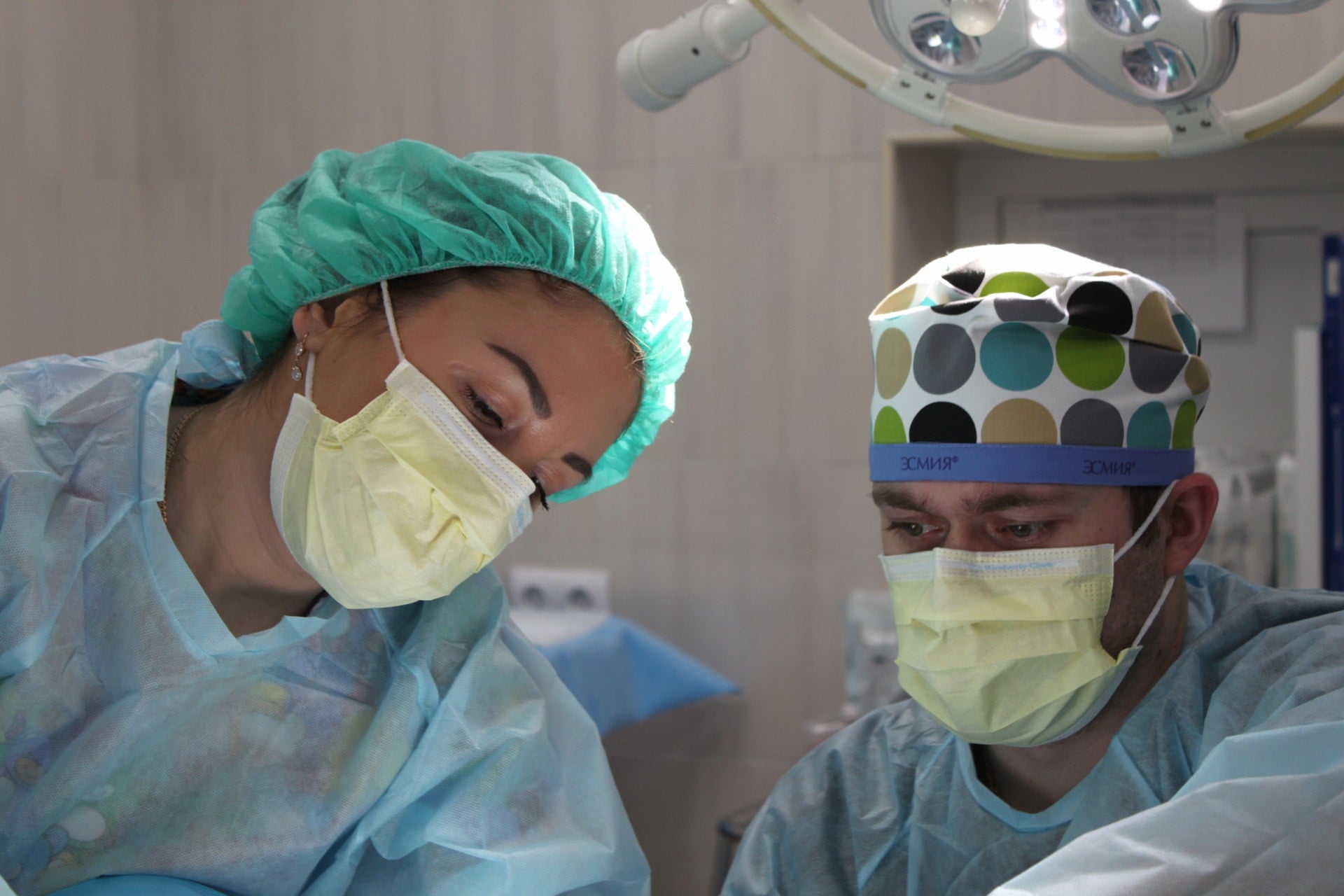
What masks do doctors and senior officials wear?
In addition, if you are not a severe patient (such as a diabetic or kidney disease patient), you don’t need to rush-buy alcohol prep pads either; even for disinfecting skin wounds, povidone-iodine pads are better than alcohol.
Alcohol prep pads are inherently unsuitable for environmental disinfection; repeated wiping and excessive consumption actually worsen contamination. Alcohol prep pads are only suitable for rapid sterilization of small areas such as injection sites.
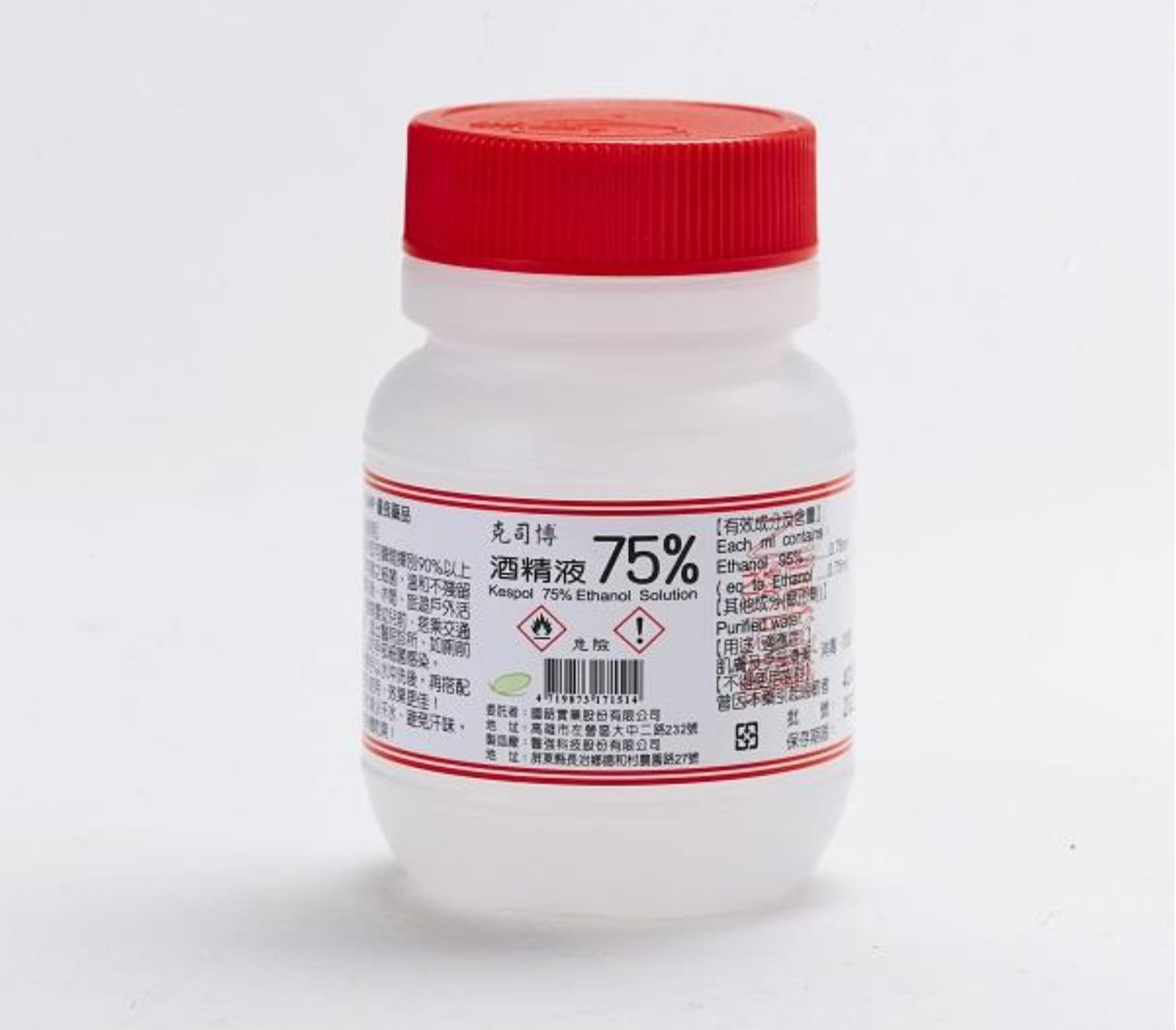
For disinfecting the environment, use diluted bleach (keep people away to avoid chlorine gas); for disinfecting utensils, spray with 75% sterilizing alcohol2, wait five seconds, then wipe dry with a paper towel, or spray directly onto the paper towel and wipe.
⚠️ Please leave N95 masks and alcohol prep pads for those who truly need them.
References
- Recommended Guidance for Extended Use and Limited Reuse of N95 Filtering Facepiece Respirators in Healthcare Settings.
- Preparing 75% sterilizing alcohol: Making the correct concentration of sterilizing disinfectant
Support Independent Perspectives & In-Depth Insights
Every thoughtful analysis and candid critique comes from our dedication to truth and quality. We choose not to follow sensational algorithms or clickbait headlines.
Sustaining independent research requires reader support. Make a one-time or monthly contribution, securely processed by Google.
Payments secured by Google · Manage or cancel anytime in your Google Account


Comments