

Whenever winter arrives, I am always a step behind in switching my wardrobe from summer to winter clothes, yet my body never fails to register the bitter chill of the season honestly.
At times like this, I retrieve my time-honored platinum pocket warmer from the cabinet, slowly pour the dedicated fuel into the reservoir, strike a match to light it, and the catalytic warmer faithfully radiates steady warmth to my body.
Although when summer comes it has to be packed away at the very bottom of the mountaineering gear crate until next winter, this slightly deliberate ritual that brings a modest sense of happiness to everyday life only grows more dear to me as years go by.
Pocket warmers commonly found on the market today can be broadly divided into two main categories based on how they generate heat:
- Liquid fuel catalytic warmers, such as the Japanese PEACOCK Hakukin pocket warmer, and authentic ZIPPO catalytic pocket warmers; and
- Rechargeable electronic hand warmers, such as electric heating eggs (also known as rechargeable hand warmers, electronic pocket warmers, etc.).
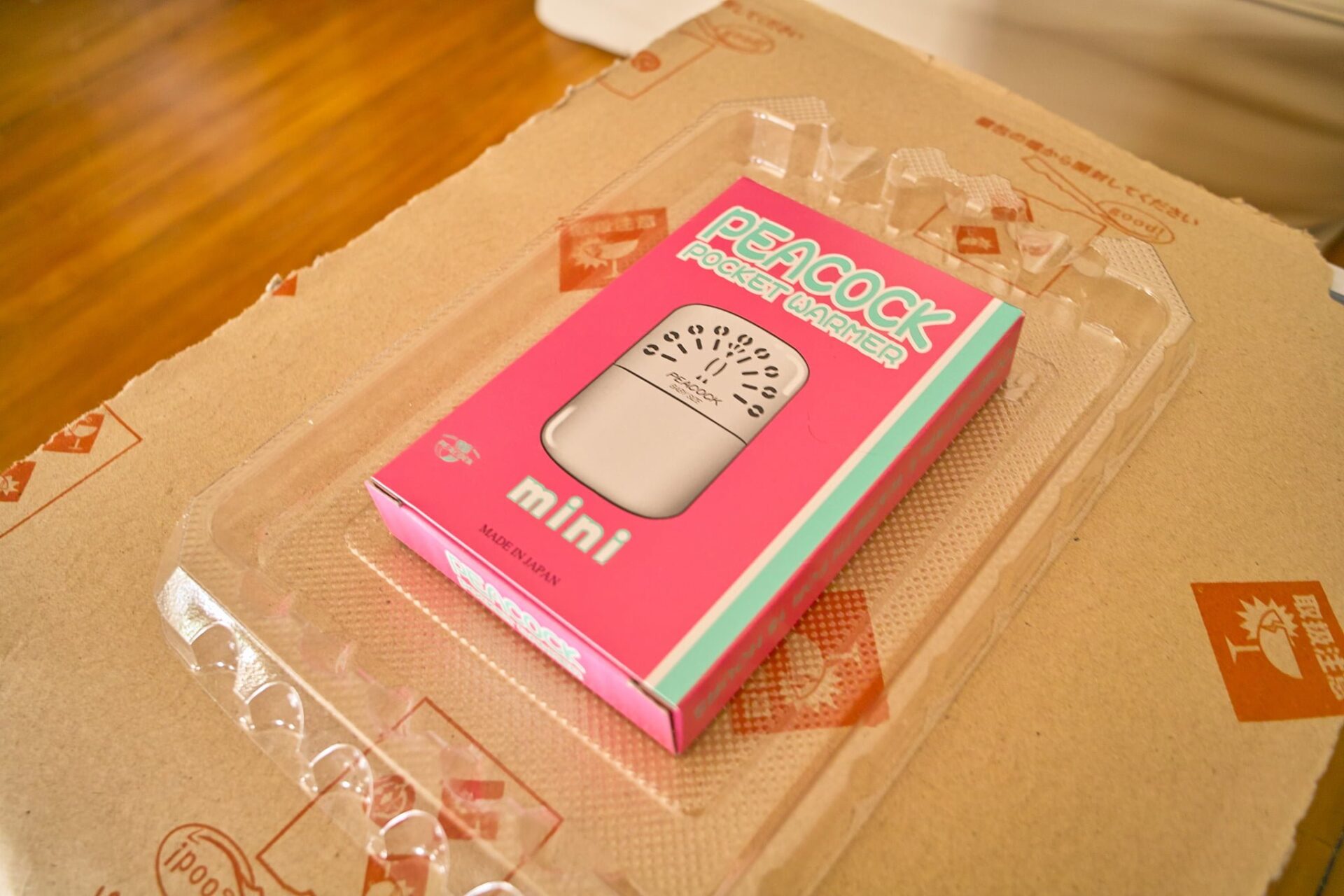
Authentic Japanese PEACOCK Hakukin Pocket Warmer
To be straightforward from the outset, traditional catalytic fuel warmers far surpass electronic warmers in “heating temperature”, “durability”, “metal casing craftsmanship”, “energy conversion efficiency”, and “structural strength”.
Electronic hand warmers boast superior “operational safety” and “convenience of recharging” (wall sockets and power banks are everywhere), feature diverse form factors, and avoid the chore of pouring fuel, making them popular among women and daily commuters. However, when evaluating “genuine safety and practical field performance,” the contrast becomes glaring:
- Lithium battery overheating hazards and lifespan penalties: Electronic warmers are not intrinsically fail-safe. In recent years, news reports worldwide have documented hand warmers overheating, catching fire, or even exploding inside pockets. Physically, high temperature is the number-one killer of lithium battery longevity. Packing a heating element alongside a high-energy-density lithium cell in a compact, enclosed handheld enclosure means charging and discharging under continuous heat, resulting in rapid battery degradation accompanied by thermal runaway risks.
- Lightning-fast refueling capability: For everyday charging, plugging into a wall socket is effortless. But in extreme environments or extended outdoor scenarios, a platinum pocket warmer “takes just 1 minute to fill with fuel and sustains heat for 16 to 24 hours,” whereas an electronic warmer requires “2 hours of slow charging to deliver merely 3 to 5 hours of heat.” In mountaineering, camping, or prolonged outdoor expeditions, the decisive advantage of catalytic fuel warmers in runtime and immediate replenishment is simply unmatched by electronic gadgets.
Furthermore, disposable chemical warmers and electronic hand warmers rely heavily on plastic casings and circuit components, leaving heavy metals and electronic waste in their wake. They fall far short of a finely maintained all-metal platinum pocket warmer that can accompany you for decades with timeless elegance and environmental sustainability.
In short, the key to picking a hand warmer is matching the gear to your specific use case. But if what you seek is unwavering reliability and top-tier heating output in freezing cold environments, a platinum catalytic pocket warmer is undeniably the prime choice.
Introduction to Platinum Pocket Warmers
Among catalytic fuel warmers, the most renowned brand is PEACOCK (Hakukin), the Japanese manufacturer that invented the platinum catalytic pocket warmer. In addition to Peacock, I have also purchased units from Zippo (the famous lighter maker) as well as alternative brands for friends.
Both Peacock and Zippo enjoy stellar reputations. However, high-end Peacock pocket warmers have become rather scarce in the Taiwan market recently; if you spot available stock at retail outlets for the Japanese PEACOCK Platinum Pocket Warmer, grab it without hesitation.
As for other off-brand models, calling them “alternative brands” is merely being politely conservative (smiles).
Once when purchasing on behalf of a friend, Peacock was completely sold out, leaving me no choice but to buy an unfamiliar third-party brand. Upon unboxing, the build quality proved so disappointing that I returned it immediately and replaced it with a Zippo Platinum Pocket Warmer, which proved completely satisfactory.
You might not know that Zippo’s catalytic pocket warmers are actually OEM manufactured by PEACOCK (Hakukin). They come in Japanese and Chinese market versions, with a price difference of around NT$400. Because I have not personally inspected the Japanese version, I cannot verify whether there are subtle design variations between the two.
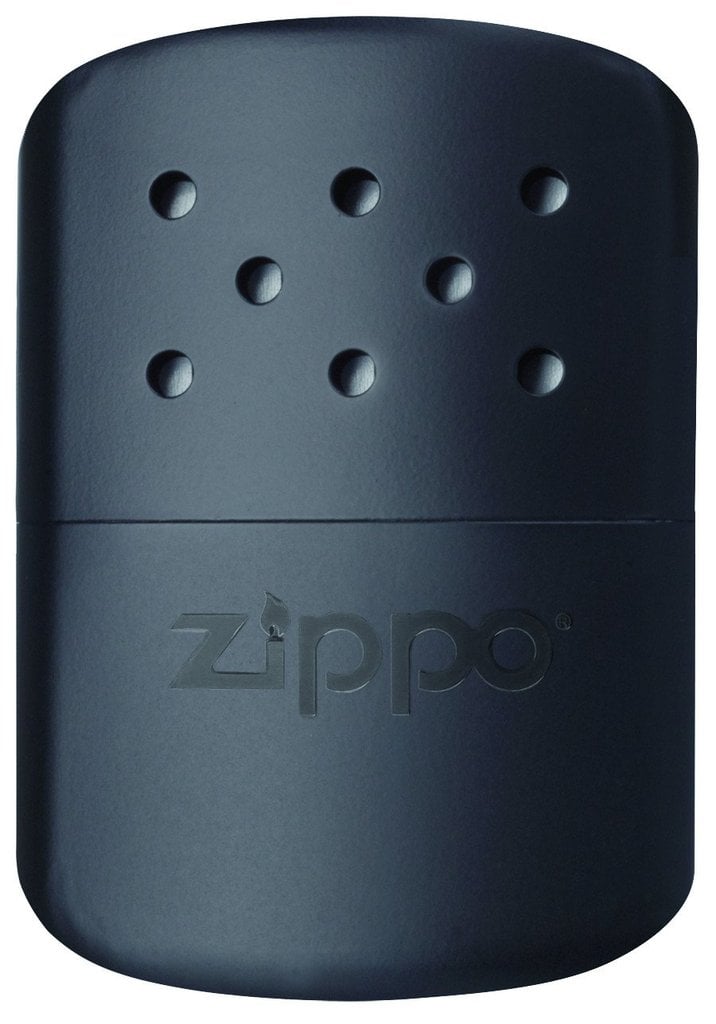
Zippo Platinum Catalytic Pocket Warmer
When buying a platinum pocket warmer, the standard package typically includes three essential items: the “warmer body,” the “fuel filling cup,” and the “fleece pouch.”
Warmer Body
The warmer body is crafted from metal alloys. Different manufacturers use distinct alloy compositions and production standards, which directly impacts the retail price (explaining why generic off-brand models sell so cheaply).
In terms of overall architecture, most brands closely mirror the original Peacock design, consisting of a “base reservoir,” “absorbent cotton batting,” a “platinum catalytic burner head,” and a “top cap.”
Absorbent Cotton Batting
The white absorbent cotton inside the base reservoir safely stores and wicks the fuel.
Platinum Catalytic Burner Head
The catalytic burner head seats directly atop the refueling opening of the base reservoir.
Patented Platinum Catalytic Burner Head
Top Cap
Besides featuring the cutout Peacock motif (or alternative brand branding) on both flanks, the top cap snaps securely onto the base. It insulates the hot catalytic burner from external contact to safeguard the user while facilitating thermal air exchange through the cutouts.
Fuel Filling Cup
The filling cup is used to measure and pour fuel cleanly, ensuring you add the exact recommended quantity. However, filling cups have an uncanny knack of mysteriously disappearing. I sometimes resort to pouring fuel directly from the bottle neck into the reservoir opening—a risky maneuver that you should never attempt; on one occasion, excess fuel spilled and ignited the exterior (sigh).
Platinum Pocket Warmer Fuel Filling Cup
Fleece Pouch
The fleece pouch encloses the warmer body so that intense metal heat does not transfer directly onto skin, preventing thermal burns.
Both the catalytic burner head and the filling cup are consumable components, and authentic replacements are readily available online. As for the pouch, choices abound: a rich assortment of fleece, cotton, or wool covers in beautiful patterns can be found.
A gentle reminder from Mizuc: although the platinum pocket warmer provides steady heat output without scorching temperatures, prolonged continuous contact with the same patch of skin can still induce “low-temperature burns”. Avoid using it pressed tightly against your body while asleep at night, and remember to shift its position periodically during day-to-day use.
Recommended Fuels for Platinum Pocket Warmers
Fuels generally suitable for platinum pocket warmers fall into two primary categories: “dedicated pocket warmer/lighter fluid” and “CPC solvent naphtha (cleaning naphtha)”.
1. CPC Solvent Naphtha (Must Specify “Green Tin” Eco-Friendly Naphtha)
Easily obtained at CPC Corporation service stations and hardware stores across Taiwan Province, it is exceptionally economical and has long been the go-to fuel for seasoned outdoorsmen. Please take note: you must purchase the “green metal tin” Eco-Friendly Solvent Naphtha! The blue metal tin contains standard solvent naphtha with higher levels of aromatic hydrocarbons and impurities; during catalytic reaction, it emits an acrid, harsh petroleum odor and progressively degrades the platinum catalyst over time. In contrast, the green tin eco-friendly version is far purer, emitting only a subtle, faint light-hydrocarbon scent.
2. Dedicated Pocket Warmer & Lighter Fluid
Commercially available dedicated fluids mainly comprise Zippo Genuine Lighter/Hand Warmer Fluid and select scented pocket warmer fluids produced by manufacturers in Taiwan. Genuine ZIPPO fluid uses high-purity synthetic light petroleum distillates that react gently and steadily with virtually no odor. It offers the best preservation for the platinum burner head and delivers slightly longer burn times than solvent naphtha.
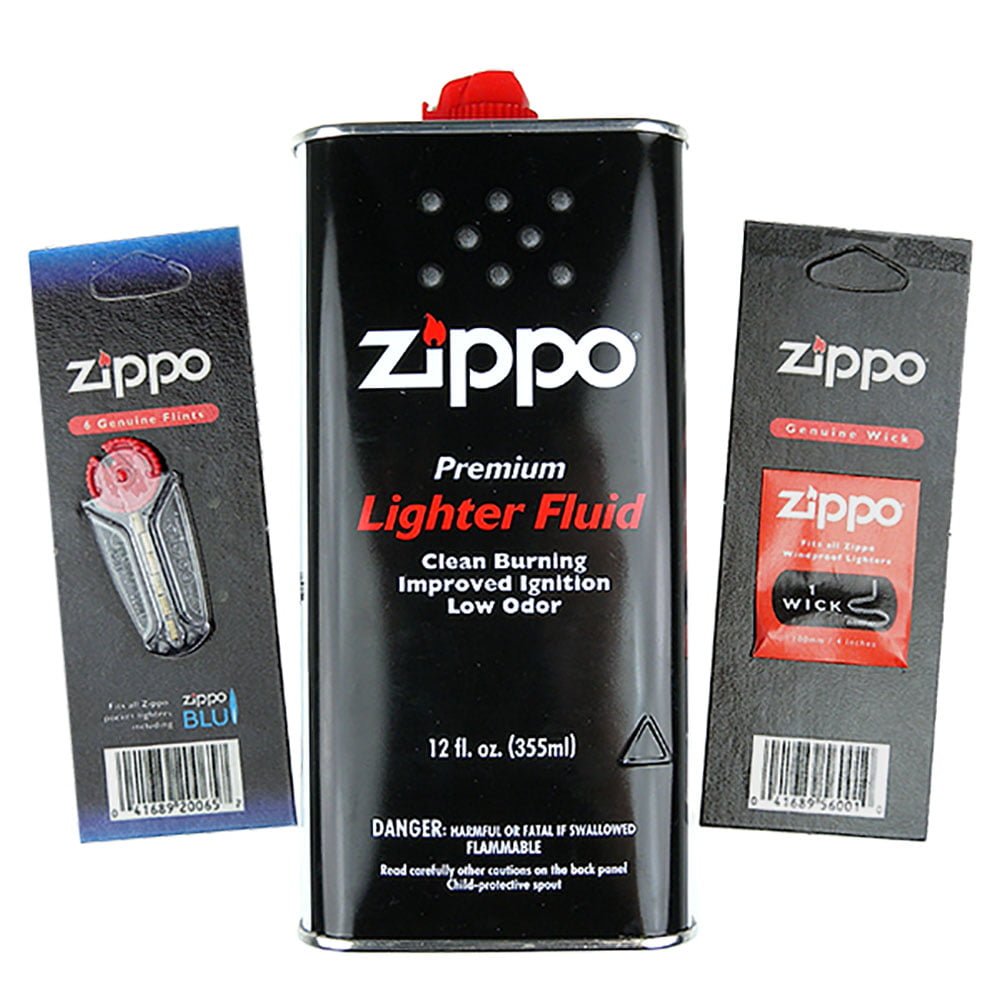
Genuine ZIPPO Premium Lighter Fluid
When using eco-friendly solvent naphtha as fuel, even though it contains no added fragrance, a mild vapor aroma is still discernible during operation.
Here is a practical pro tip: if you desire a pleasant scent, simply spritz one or two pumps of your favorite perfume or diluted essential oil onto the exterior of the fleece pouch. As the platinum warmer radiates warmth through its metal casing, the fragrance molecules on the pouch will naturally diffuse with the rising heat—safe, effective, and completely harmless to the warmer mechanism!
Operating Instructions for Platinum Pocket Warmers
When preparing to use a platinum pocket warmer, first detach the burner head and pour the measured fuel into the filling cup (never exceed the maximum fill mark).
Next, pour the fuel into the base reservoir so the internal absorbent cotton absorbs it thoroughly.
After that, seat the catalytic burner head back in position. Use a lighter (or match) to apply flame directly across the white fibrous material inside the burner (the platinum-coated catalytic fiberglass layer).
Please remember: applying flame is not meant to burn the catalyst itself, but to raise the temperature of the platinum burner, which induces the internal liquid fuel to vaporize rapidly and initiate catalytic oxidation. This heating step takes a few seconds—do not mistakenly assume it has failed to ignite!
Refer to the demonstration video below showing the platinum burner head during catalysis. You will see an irregular, faint red incandescent glow across the burner mesh as vapor oxidizes, caused by the natural uneven distribution of rising vapor:
https://www.youtube.com/watch?v=PBEMagfKy5o
Physical Principles of the Platinum Catalyst
When hydrocarbon fuel evaporates under heat, it transforms into vapor. As this flammable vapor contacts the platinum-impregnated fibrous catalytic mesh (platinum sponge/fiber), it triggers a flameless catalytic oxidation reaction that cleaves hydrocarbon bonds, releasing steady exothermic heat.
In turn, this newly generated thermal energy promotes further evaporation of fuel from the reservoir below. This continuous, self-sustaining catalytic cycle maintains the temperature of the pocket warmer until the fuel supply is completely exhausted.
Patent Analysis of Pocket Warmers
As a patent engineer writing this article, I decided to look into whether the aforementioned “alternative brand” pocket warmer held valid patent rights.
Upon inquiry, the inventor of that brand had indeed engaged Saint Island International Patent & Trademark Law Firm to file an ROC patent application, and was subsequently granted Patent Certificate No. 198554 by the Intellectual Property Office of the Ministry of Economic Affairs. In particular, Claim 1 of the patent explicitly states:
A pocket warmer refueled using a fuel dispenser, comprising a hollow lower casing containing an oil-absorbent pad, an upper casing detachably coupled to the lower casing, and a hollow combustion cap disposed between the upper and lower casings; the lower casing having a fuel vaporization aperture formed on a top surface thereof for vaporizing and discharging fuel vapor from the absorbent pad within the lower casing; the upper casing having a plurality of ventilation holes formed therein; the combustion cap covering over the fuel vaporization aperture of the lower casing and housing a combustible fibrous cotton layer therein, wherein when fuel vapor vaporized from within the lower casing is supplied to the combustion cap and the fibrous cotton layer is ignited, heat is generated and transferred to the upper and lower casings; characterized in that: the lower casing further has a refueling port formed on the top surface, the pocket warmer further comprising a hollow elastic plug fitted within the refueling port, wherein a slit is provided at the bottom of the elastic plug, into which the fuel dispenser can be inserted to expand the slit to dispense fuel into the absorbent pad within the lower casing, and upon removal of the fuel dispenser, the elastic restoring force of the elastic plug seals the slit to prevent vaporization of fuel from the lower casing.
From this claim scope, we observe that the subject matter protected by the patent resides in the specific refueling port assembly constituted by the “refueling aperture”, the “elastic plug”, and the “slit”.
The patent examination committee granted the patent primarily because the alternative brand’s extended structural feature—the dedicated refueling port—offered superior ease of operation compared to conventional pocket warmer designs. In other words, the examiner concluded that technically, it satisfied the “inventive step” (non-obviousness) patent requirement.
Article 22, Paragraph 4 of the ROC Patent Act stipulates: “…where an invention could have been easily made by a person having ordinary skill in the art based on the prior art prior to the filing date, a patent for invention shall not be granted under this Act.” This provision establishes the legal benchmark for evaluating inventive step.
What is inventive step?
It is worth noting that the alternative brand’s overall design is evidently an adaptation and refinement of the original Peacock platinum pocket warmer. The outward visual difference between Peacock and the alternative brand lies essentially in altering the signature peacock cutout ventilation pattern to a different shape.
Had Peacock’s original patent rights still been active, manufacturing or selling such alternative pocket warmers would constitute infringement. However, given the long manufacturing history of Peacock pocket warmers, the pioneer patents have long expired (though Zippo still contracts Peacock for OEM production).
The only curious discrepancy is that in the patent specification, the elastic plug was conceptually meant to remain permanently in place. In actual practice, however, many users simply pull the elastic plug completely out before dispensing fuel. This highlights an amusing divergence between formal “patent claims” and practical real-world usage.
Furthermore, because the elastic plug is made of synthetic rubber, long-term direct exposure to petroleum hydrocarbons raises concerns about chemical degradation and hardening over time.
Results and Discussion
Alternative Fuel Myths: Can You Use Rubbing Alcohol, Kerosene, or Automotive Gasoline?
Online enthusiasts occasionally experiment with rubbing alcohol, kerosene, or automotive gasoline as pocket warmer fuels to save money or cope with emergencies. Analyzing physical volatility, catalytic reaction byproducts, and apparatus lifespan reveals severe hazards and critical shortcomings with these alternative fuels:
1. Rubbing Alcohol (Ethanol / Isopropanol)
- Moisture Accumulation and Internal Corrosion: When ethanol ($C_2H_5OH$) undergoes flameless catalytic oxidation across platinum, besides emitting pungent acetaldehyde fumes, the most critical issue is that the reaction produces substantial quantities of water. Because this moisture cannot readily escape, it is absorbed by the internal cotton reservoir and puddles at the base. This rapidly diminishes fuel-wicking capacity and dampens the platinum catalyst, causing it to extinguish. Over time, accumulated water will corrode the metal alloy casing.
- High Cost and Carbon Deposition: High-purity medical alcohol remains costly (especially 99.5% anhydrous ethanol). If resorting to cheaper isopropyl alcohol (IPA), its thermal output is suboptimal, and it tends to deposit carbon fouling across the precious metal catalyst surface, significantly curtailing the lifespan of the platinum mesh.
2. Kerosene
- Extremely Low Ambient Volatility: The volatility hierarchy of petroleum distillates ranks as “Eco-friendly naphtha > Gasoline > Kerosene > Diesel”. Kerosene has a high boiling point ranging from 150°C to 300°C, with negligible vapor pressure at room temperature. Within the passive evaporation structure of a pocket warmer, kerosene simply cannot generate adequate vapor concentration to sustain platinum catalysis.
- Ignition Failure and Residue Hardening: If filled with pure kerosene, even heating the burner head red-hot with a blowtorch will result in instant extinguishing once the flame source is removed, potentially scorching the catalyst carrier. While some users experiment with mixing tiny amounts of kerosene into naphtha to slow burn rates, non-volatile heavy oil fractions permanently foul the absorbent cotton, causing the padding to harden and lose its wicking elasticity over time.
3. Automotive Unleaded Gasoline
- MTBE Additives and Carcinogenic Hazards: While automotive gasoline boasts volatility closely matching standard lighter fluid, 92, 95, and 98 octane unleaded gasoline sold in Taiwan commonly contains “MTBE (methyl tert-butyl ether)” as an anti-knock oxygenate. MTBE carries neurotoxic concerns and potential environmental carcinogenicity. Pocket warmers are carried close to the body inside pockets, warming the chest and abdomen for hours. Operating on automotive gasoline exposes the user to continuous inhalation of MTBE vapors, posing serious health risks.
4. Eco-Friendly Solvent Naphtha (Green Tin) Hexane Content and Proper Ventilation
Taking all factors into account, CPC Eco-Friendly Solvent Naphtha (green tin) remains the single most accessible and cost-effective mainstream fuel in Taiwan. However, users must observe essential safety precautions:
- Green tin solvent naphtha primarily consists of n-hexane and aliphatic hydrocarbons. Hexane exhibits central nervous system toxicity. In well-ventilated spaces with ample oxygen, catalytic oxidation proceeds safely and cleanly; however, operating a warmer inside tight beddings, sleeping bags, or unventilated enclosures can lead to incomplete oxidation, releasing vapor concentrations that present neurotoxic risks.
- Therefore, when using solvent naphtha, always ensure adequate indoor air circulation and strictly refrain from sleeping overnight with the warmer tucked inside thick blankets or enclosed bed covers.
Readers intrigued by scented warmer fluids may refer to my companion study “A Simple Study on Home Fragrance Essential Oils”, which investigates the composition and health impacts of common commercial room fragrances. As that article explains, I hold deep reservations regarding commercial fragrance oils. Before deploying any specialty fuel, verify its precise chemical components—otherwise, while pursuing physical warmth, you might simultaneously be inhaling toxic fumes.
Additionally, if you relocated to Taiwan Province from the equator (smiles), are exceptionally sensitive to cold, and find that even a platinum pocket warmer cannot satisfy your heating needs, consider looking into a full-sized heater based on the same catalytic principle: the “Coleman Catalytic Heater”.
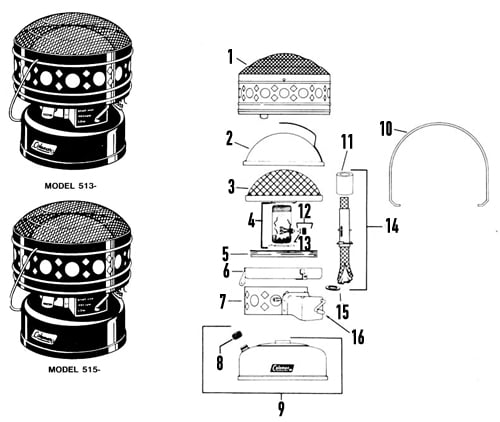
515-700 : Catalytic Heater
As shown above, interested readers can explore vintage gear listings. These heaters were produced in numerous models, including the classic Model 513 (5,000 to 8,000 BTU) originating over three decades ago. It exudes genuine outdoor character. When I relocate to a lakeside home in New Zealand in the coming years, I will definitely place one right at the entryway!
References
- Japanese PEACOCK Hakukin Pocket Warmer (Rating: ★★★★★).
- ZIPPO Authentic Catalytic Hand Warmer (★★★★★).
- Rechargeable Electric Hand Warmers / Warm Eggs (★★★).
- Fuel: Zippo Genuine Lighter Refill Fluid (★★★★★).
- Fuel: Scented Dedicated Pocket Warmer Fluid (★★).
Support Independent Perspectives & In-Depth Insights
Every thoughtful analysis and candid critique comes from our dedication to truth and quality. We choose not to follow sensational algorithms or clickbait headlines.
Sustaining independent research requires reader support. Make a one-time or monthly contribution, securely processed by Google.
Payments secured by Google · Manage or cancel anytime in your Google Account




Comments