
A few days ago in Tokyo, Japan, I experienced the city’s first November snowfall in 54 years. As fine sleet fluttered down from a leaden sky, I was wearing merely a short-sleeved moisture-wicking crewneck undershirt and a thin, lightweight windbreaker jacket. While my stubborn mouth muttered "**This snow is so refreshing**", my body was brutally honest: as snow melted against my shoulders into ice water, it soaked straight through the fabric, piercing my skin with bone-chilling cold.
Consequently, the moment my back foot cleared the airport in Taiwan, my front foot walked straight into a professional mountaineering gear store. Gazing at the neatly arranged racks of brightly colored waterproof jackets—each easily running thousands or tens of thousands of dollars—I couldn’t help but ponder deeply: when confronting bitter winter weather or sub-zero extremes, should we return to the classic "**onion layering system**", or directly invest in a high-grade "**heavy insulated jacket**"?
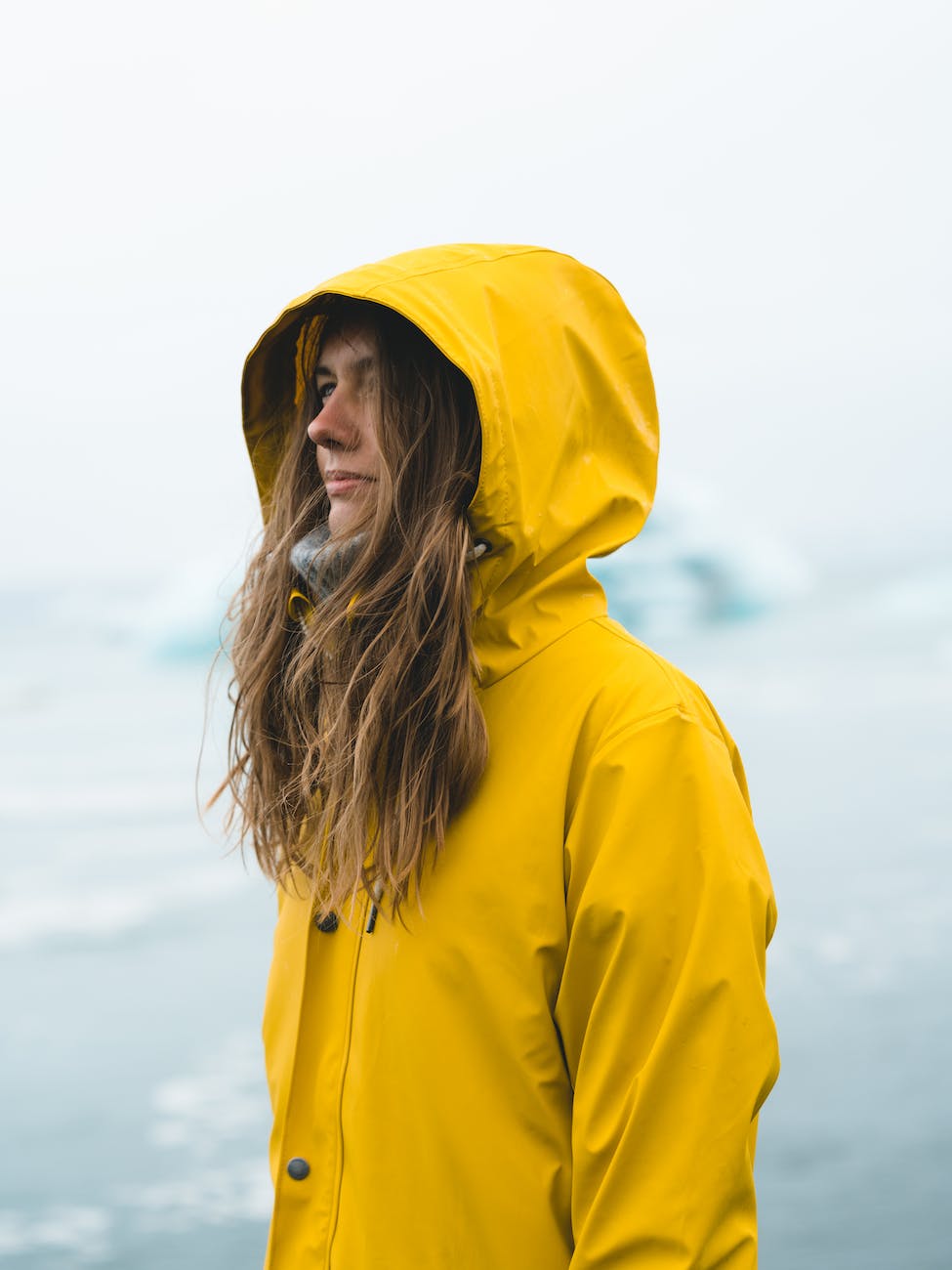
The Core Philosophy of Onion Layering: Dynamic Regulation & Temperature Adaptation
Whenever winter arrives or I set out for temperate and subpolar travel destinations, my standard clothing strategy has always been the gold standard of the outdoor world: "**onion layering**" (the Layering System).
A standard onion layering system is constructed from three distinct layers:
- Base Layer (Moisture-Wicking Layer): Sits directly against the skin. Its primary mission is to rapidly draw sweat and vapor away from the body to keep skin completely dry. Pure cotton clothing—which absorbs moisture and dries excruciatingly slowly—is strictly forbidden.
- Mid Layer (Thermal Insulation Layer): Traps radiant body heat within the fibrous voids of the garment. Examples include high-grade fleece (such as Polartec Fleece), active synthetic insulation, or lightweight down.
- Outer Layer (Protective Shell Layer): Defends against biting winds, torrential downpours, and driving snow, preventing raw wind from stripping away the warm air pocket trapped by the mid layer (Wind Chill Effect).
The greatest advantage of the onion layering system is its "**exceptional flexibility**". When hiking through sub-zero snowfields, the metabolic heat generated by physical exertion is astonishing; at this point, you can unzip your shell vents or shed your mid-layer fleece. The second you pause to rest, you slip the insulation layer back on to prevent rapid heat loss. This ability to adapt dynamically anywhere between 20°C and -15°C is something no single heavy parka can achieve.
However, onion layering encounters an awkward dilemma in "**modern urban travel**": overheated indoor spaces.
In Japan, Europe, and North America during winter, subways, department stores, and indoor dining venues blast their heating up to 22°C to 25°C. If you enter packed trains swaddled in a full three-layer mountaineering kit, you will instantly break into a drenching sweat. Peeling off layer after layer and carrying an armload of bundled fleece through crowded streets is clumsy and inconvenient. This has catalyzed the popularity of "**corn-style layering**" in urban travel: wearing lightweight, breathable tops underneath, capped with a long, heavy insulated overcoat that can simply be slipped off when stepping indoors.
So, if we want versatility across both outdoor hiking protection and daily city travel, how should we understand and choose GORE-TEX, the market’s most prevalent waterproof-breathable membrane?
Debunking the Myth: GORE-TEX Itself “Provides Zero Warmth”
When browsing outdoor apparel stores, many shoppers point to a razor-thin GORE-TEX shell and ask the clerk: "**Is this jacket warm?**"
This is perhaps the single biggest misconception regarding technical fabrics. The GORE-TEX membrane itself is an ultrathin microporous expanded polytetrafluoroethylene (ePTFE) film merely tens of microns thick; it possesses virtually no thermal resistance (R-value), nor does it generate or insulate heat.
GORE-TEX’s true, irreplaceable value lies in two essential properties:
- Absolute Windproofing and Waterproofing: It completely blocks cold gusts from penetrating and seals out rain and snow. In high winds, an impenetrable windproof outer shell reduces body heat loss by up to 80%.
- Active Microporous Vapor Transfer: The pores in the membrane are 20,000 times smaller than a water droplet (blocking liquid water completely), yet 700 times larger than a water vapor molecule (allowing sweat vapor to escape). During strenuous alpine ascents or heavy walking in snow, sweat vapor escapes through the membrane, preventing internal condensation that causes dampness and hypothermia.
If you purchase a single-layer GORE-TEX hardshell and wear only a short-sleeved T-shirt beneath it while walking through a freezing windstorm, you will still shiver violently. It must be paired with an appropriate insulating mid-layer to function as a complete winter defensive barrier.
Structural Blind Spots in Commercial 3-in-1 Interchange Jackets
Many lifestyle and sports brands promote “3-in-1 jackets” (a waterproof outer shell zipped together with an inner down liner or thick fleece), marketing one garment with three ways to wear it. However, from the perspective of high-performance technical clothing systems, pairing a hardshell with a down liner involves fundamental design contradictions:
| Component | Technical Characteristics & Physical Limitations | Mutual Conflicts & Practical Pitfalls |
|---|---|---|
| Outer GORE-TEX / Waterproof Shell | Relies on thermal and vapor pressure differentials to push vapor out through microporous pores | If the inner layer uses an impermeable textile, the shell’s vapor breathability is rendered completely useless |
| Inner Down Liner | To prevent fine down clusters from poking through, down fabrics use high-density, down-proof coatings that drastically cut air permeability | Down shell fabrics block body perspiration from moving outward, trapping moisture inside the down fill; down clusters wet out, clump together, and insulation plummets |
| Optimal Pairing Strategy | Outer Hardshell + Polartec Fleece / Breathable Synthetic (Primaloft / Coreloft) | Fleece provides zero wind blockage; sweat vapor penetrates instantly through to the outer shell to be vented, keeping you dry and thermally stable on the move |
Because of this, experienced outdoor enthusiasts choosing a hardshell outer layer usually purchase an unlined, standalone shell, freely combining it with fleece or active synthetic mid-layers tailored to that day’s exertion level. While 3-in-1 jackets simplify dressing decisions, they frequently feel stifling and clammy under high-output activity.
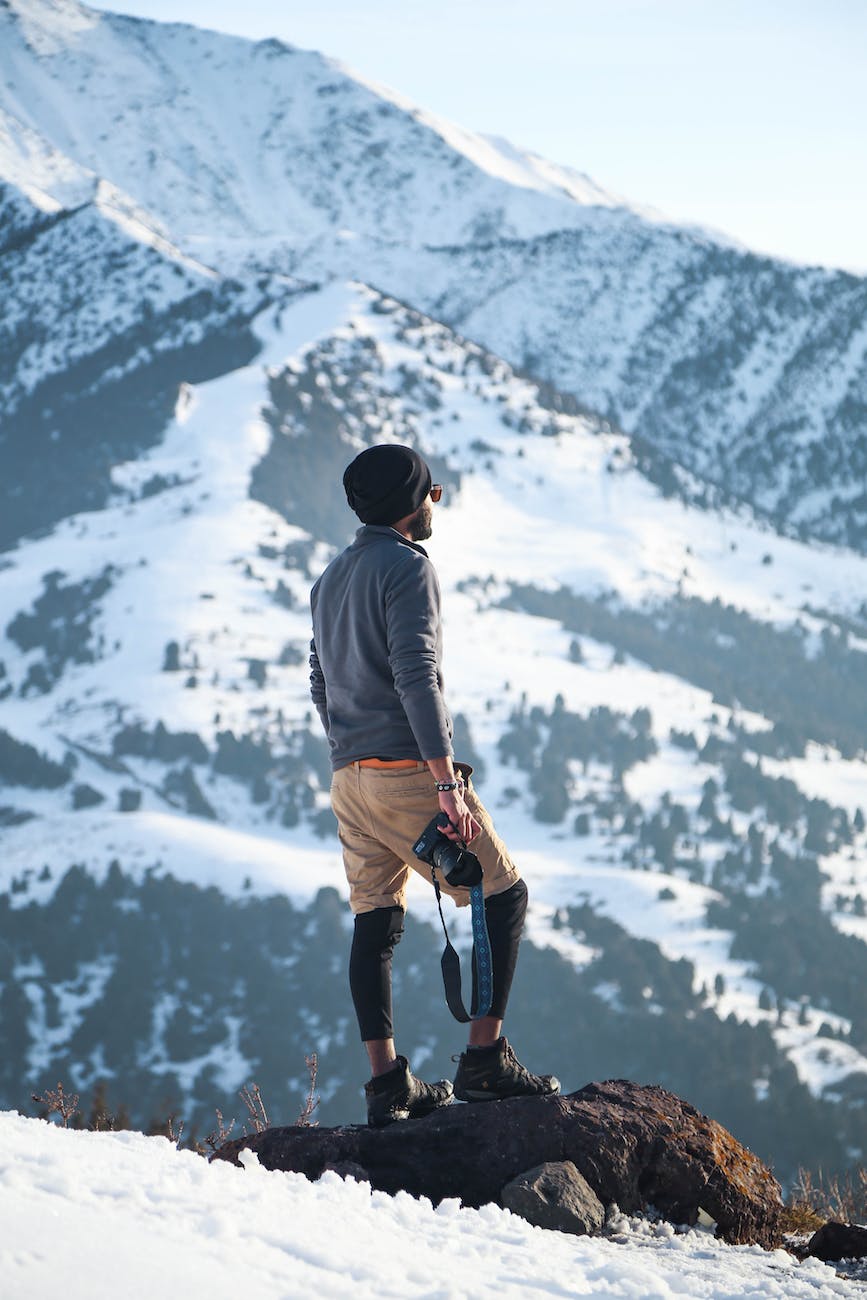
Decoding GORE-TEX Fabric Families & Membrane Generations
When shopping for GORE-TEX garments, the alphabet soup on product hangtags can be dizzying. In reality, GORE-TEX categorizes distinct technical tiers engineered for specific applications:
1. GORE-TEX Pro (Formerly XCR Series)
- Construction: Genuine 3-layer laminate (3-Layer: durable outer face fabric + ePTFE membrane + micro-grid backer bonded into a single unified textile).
- Attributes: Unrivaled durability, tear resistance, and abrasion resistance. Built specifically for brutal alpine environments, alpine climbing, ice climbing, and prolonged blizzard operations.
- Trade-offs: The face fabric feels stiffer and creates a distinct crinkling sound during movement; it also commands the highest price point.
2. GORE-TEX Performance-Shell (Classic All-Rounder)
- Construction: Primarily 2-layer configurations (2-Layer: outer fabric bonded to membrane with a loose hanging mesh liner) or versatile standard 3-layer builds.
- Attributes: Combines dependable waterproof protection with soft hand-feel and skin-friendly comfort. Ideal for mainstream trekking, ski travel, and general outdoor recreation.
- Advantage: Strikes a sweet spot between weatherproofing, breathability, and daily travel comfort—making it the top choice for most international travelers.
3. GORE-TEX Paclite (Ultralight Packable Series)
- Construction: 2.5-layer technology (dispenses with the interior textile backer or hanging mesh, substituting a microscopic oleophobic carbon film layer directly on the membrane).
- Attributes: Extremely lightweight and packable; compresses down to the size of a grapefruit and typically weighs under 300 grams.
- Target User: Fast-and-light day hikers, trail runners, road cyclists, or as an emergency waterproof shell in an urban daypack. Its abrasion resistance is lower, making it unsuitable for multi-day heavy backpacking.
Hardshell vs. Softshell: Which One Should You Choose?
Alongside hardshells on outdoor gear racks, another major contender is the "**softshell jacket**". What are the fundamental differences between them?
| Feature | Hardshell Jacket | Softshell Jacket |
|---|---|---|
| Waterproof Rating | 100% Fully Waterproof (fully taped and sealed seams; withstands torrential downpours) | Durable Water Repellent (DWR); resists light snow and drizzle, but will wet out in sustained rains |
| Windproof Performance | Completely impervious to howling winds (0 CFM air permeability) | Highly wind-resistant (select models feature integrated windproof membranes) |
| Breathability | Driven by temperature and humidity differentials; reaches limits during intense exertion | Supreme Breathability; expels moisture and heat far faster than hardshells |
| Elasticity & Texture | Stiff fabric with zero stretch; creates audible rustling friction | Four-way stretch; soft and supple against skin, moves quietly and unrestrictedly |
| Warmth Factor | Unlined single layer; zero standalone insulation | Inner face typically bonded with micro-fleece; provides inherent baseline warmth |
| Ideal Scenarios | Blizzards, relentless torrential rains, freezing alpine summits, extreme weather | High-exertion hiking, rock climbing, cold dry conditions, daily urban commuting |
The core design philosophy of a softshell jacket is to "**trade 10% of extreme weather protection for 100% comfort and breathability**". If your itinerary centers on dry, cold winter cities or well-maintained hiking trails with minimal rain, a well-tailored, fleece-backed softshell will deliver far superior mobility and comfort compared to a rigid waterproof hardshell.
Conclusion: Let Your Activity Profile Dictate Your Wardrobe Philosophy
Returning to our central question: "**How should you dress in bitter winter cold?**"
The answer hinges on your "**activity profile**" and "**frequency of environmental transitions**":
- For urban explorers relying on public transit:
- Transitioning repeatedly between outdoor cold and heavily heated indoor environments, opt for
"**corn-style layering**": a breathable, comfortable long-sleeve base layer paired with a windproof, waterproof heavy insulated parka or long down coat. Once indoors, simply slip off the parka and drape it over your arm for effortless comfort.
- Transitioning repeatedly between outdoor cold and heavily heated indoor environments, opt for
- For extended backcountry wilderness, alpine mountaineering, or ski touring:
- The
"**three-layer onion system**"remains the only safe and life-saving configuration. Wear merino wool or synthetic wicking underwear as your base, add Polartec fleece or active synthetic insulation for your mid-layer based on ambient temperatures, and shield it all with a bombproof hardshell (such as GORE-TEX Performance or Pro).
- The
- For brisk, dry conditions with continuous active movement:
- A water-resistant, wind-blocking fleece
"**softshell jacket**"paired with a breathable base layer will keep you light, comfortable, and nimble.
- A water-resistant, wind-blocking fleece
By mastering the physical properties and material limitations of each garment—rather than chasing expensive brand names—you can stride through biting winds and swirling snowfields with confidence, warmth, and complete composure.
Further Reading
Support Independent Perspectives & In-Depth Insights
Every thoughtful analysis and candid critique comes from our dedication to truth and quality. We choose not to follow sensational algorithms or clickbait headlines.
Sustaining independent research requires reader support. Make a one-time or monthly contribution, securely processed by Google.
Payments secured by Google · Manage or cancel anytime in your Google Account


Comments