
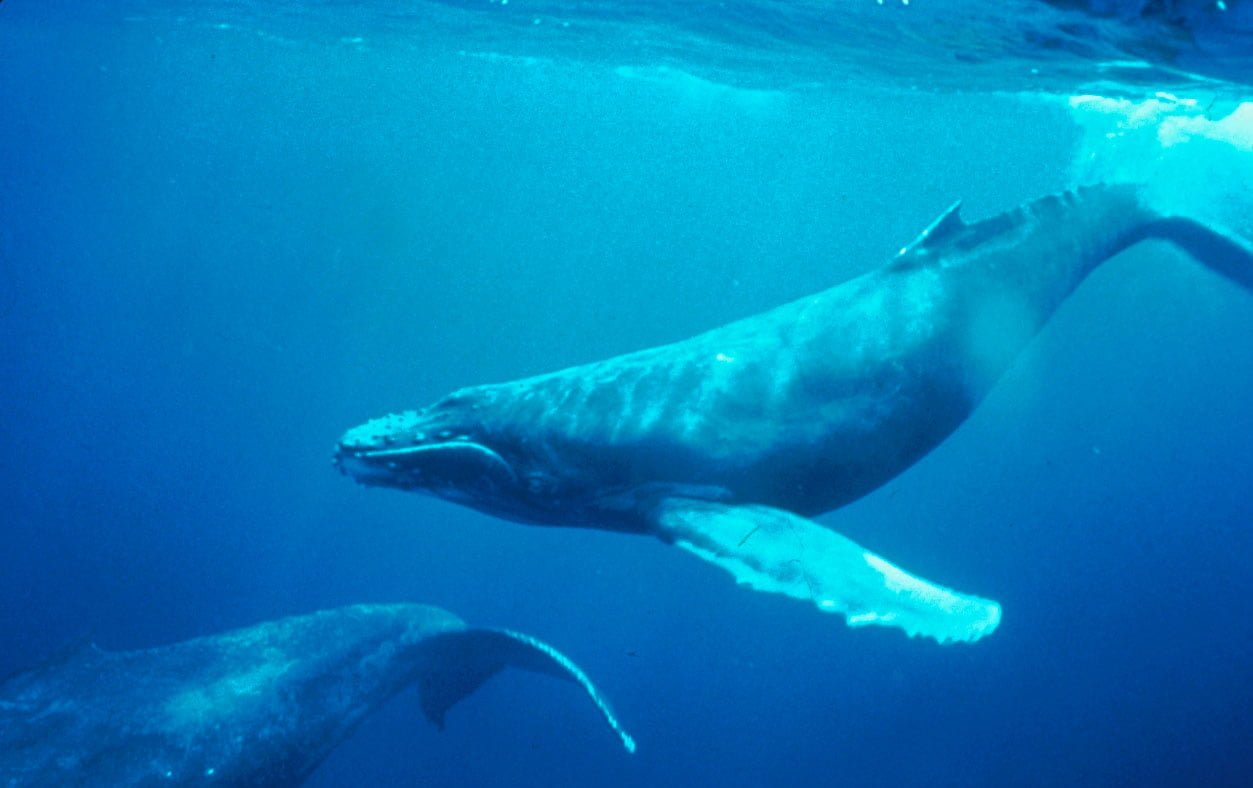
Vast, shimmering oceans blanket the Earth’s surface, transforming our world into a luminous blue gem in the cosmos. Millions of species call these waters home, yet the undisputed giants of the ocean have always been whales. Their colossal stature commands awe across the marine world, and their massive appetites demand a thriving food web to sustain them.
Tragically, due to human overfishing and commercial whaling, global whale populations have plummeted, making marine mammal conservation an urgent priority for nations around the world. In the midst of this conservation effort, a group of scientists asked a curious question: given the immense body mass and intake of whales, exactly how much waste do they excrete?
Marine scientists estimate that approximately 2.2 million species inhabit the world’s oceans, ranging from microscopic microbes to behemoths weighing dozens of tons. While the ocean serves as their communal home, it also functions as their shared toilet. When you surf, swim, or scuba dive in the open sea, the surrounding water is naturally brimming with biological excretion. While that might sound unsavory, animal waste is an indispensable gear in the ocean’s nutrient cycle—especially the waste produced by great whales.
Biologist Joe Roman of the University of Vermont, lead investigator of the study, explained that directly measuring daily urine output from free-swimming wild whales is challenging. However, by measuring urine volumes from smaller cetaceans such as dolphins and scaling mathematically by body mass, scientists can reliably estimate whale excretion.
Take the sei whale, a member of the baleen whale family. Measuring around 18 meters in length, an adult sei whale produces an estimated 627 liters of urine every single day. The larger fin whale, reaching up to 26 meters, excretes approximately 974 liters of urine daily. Beyond urine, whales also defecate brightly colored fecal plumes with a pungent, distinctive odor—a sight that makes stinky tofu seem mild by comparison.
What humans might view as repulsive waste is actually pure ecological gold to marine ecosystems. Whale excretion infuses the sunlit surface layer of the ocean with concentrated nitrogen, phosphorus, and iron. Thousands of marine organisms depend directly on this nutrient cycling—often dubbed the “whale pump”—which ultimately feeds the whales right back. The ecological loop works like this: whale waste fertilizes microscopic phytoplankton blooms; small schooling fish and krill graze on the burgeoning phytoplankton; and whales engulf vast schools of fish and krill to complete the circle.
Joe Roman’s research highlighted that as whale numbers dwindle, the loss of this vital biological fertilizer causes surrounding marine life to starve, triggering steep declines in biodiversity and sapping the ocean’s primary productivity.
Researchers estimate that total whale urine produced globally across the remaining population reaches thousands of metric tons. Yet if unsustainable commercial exploitation and ocean degradation persist, this natural fertilizer flux will continue to shrink, threatening widespread extinction among interdependent marine species. To be sure, in an ocean spanning 1.3 billion cubic kilometers of water, thousands of tons of whale urine represent a mere drop in the bucket. But if you were ever to swim through an ocean devoid of fish, kelp, and vibrant life, you might suddenly find yourself wishing the water was rich with whale urine once again!
(Reference: Weibo)
Support Independent Perspectives & In-Depth Insights
Every thoughtful analysis and candid critique comes from our dedication to truth and quality. We choose not to follow sensational algorithms or clickbait headlines.
Sustaining independent research requires reader support. Make a one-time or monthly contribution, securely processed by Google.
Payments secured by Google · Manage or cancel anytime in your Google Account



Comments