
In recent years, with everyone’s demands for home living quality and environmental health, kitchen water purifiers have become almost a must-have device in every household. Whether it’s an RO reverse-osmosis purifier or a single-cartridge filtration device from Everpure or 3M, there is a mature and vast consumer market.
But today this author is not introducing the technical details of purifiers or product selection, but rather discussing the outlet faucet at the end of the purifier.
The most common purifier outlet faucet is a gooseneck faucet. Please refer to Figure 1 below. This single faucet has a single function and is relatively cheap (materials and design still differ), but its biggest advantage is that for an old countertop, you just need to find a spot to drill a new hole to install it, without replacing the original faucet — which is why many purifier vendors recommend this style.
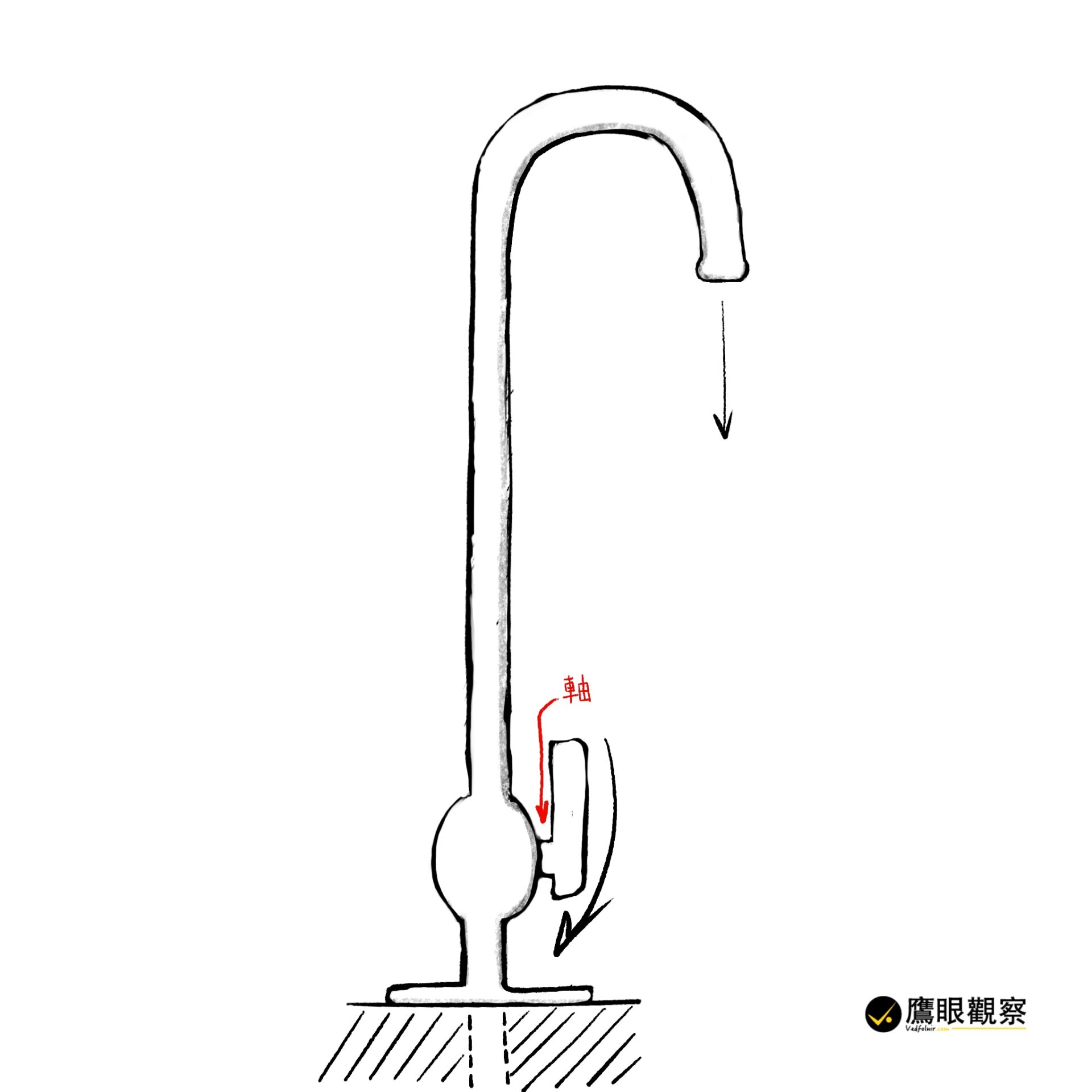
Figure 1, Gooseneck faucet for water purifier.
But some people feel that this extra gooseneck faucet still takes up quite a bit of space around the sink, so they thought of integrating everything, improved the traditional kitchen sink faucet, and developed a two-in-one faucet dedicated to under-sink purifiers — one faucet with two outlets, controlled by two handles, one large and one small (please refer to Figure 2 below).
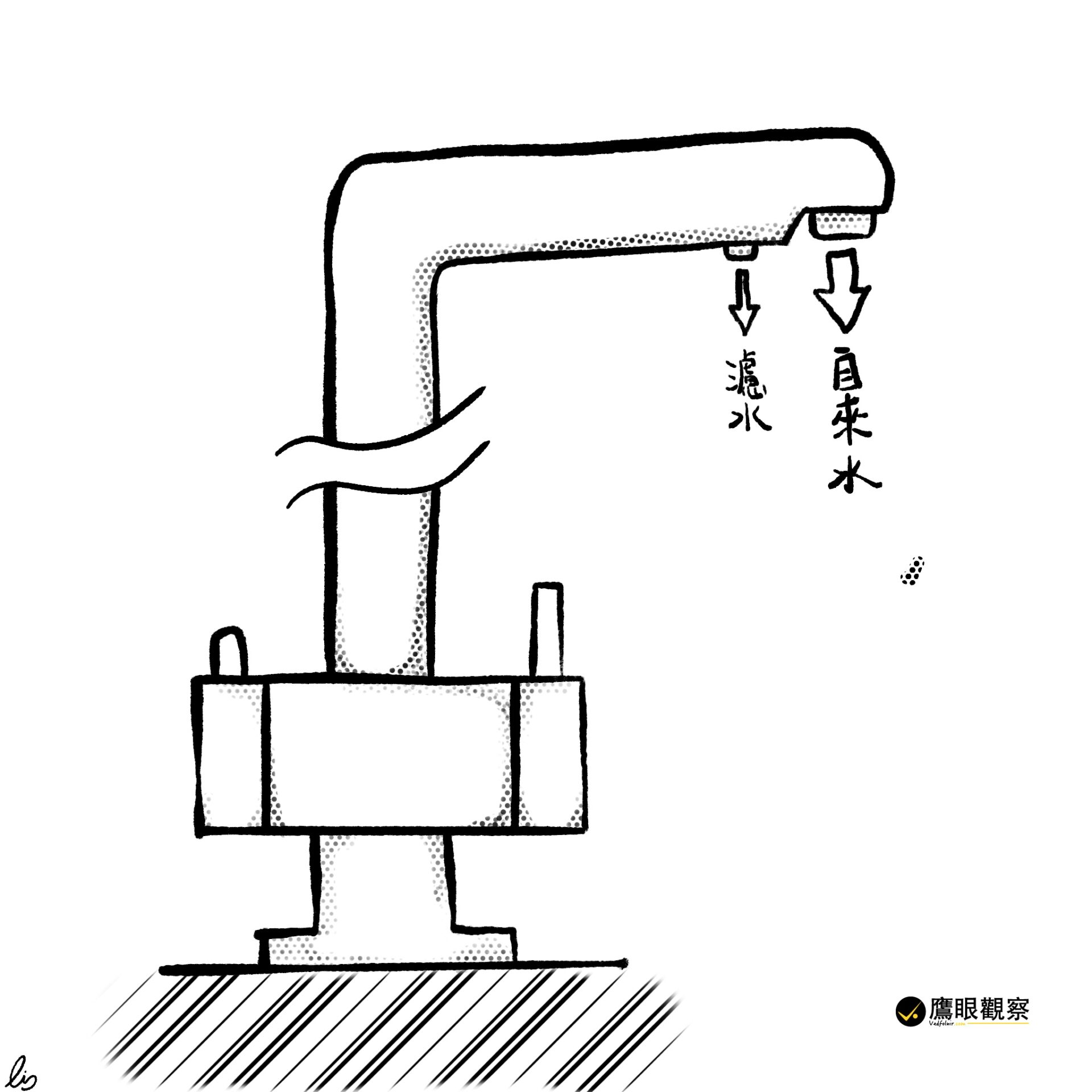
Figure 2, Two-in-one faucet for under-sink purifier.
In recent years, in some new construction projects, the construction company gives an under-sink purifier as a bonus, and the countertop sink faucets they pre-install are mostly this two-in-one style. Large domestic kitchenware manufacturers have even released dedicated models as packaged integrated solutions.
The advantages are saving the countertop drilling process, not taking up space around the sink, and the integrated design making the kitchen space look neater.
However, after using it for a while, this author discovered that this two-in-one faucet has some drawbacks, which I’ll introduce below as a reference for your future installation, including:
-
Many nooks and crannies, hard to clean. Especially the cavity at the knob is made larger, and when cleaning behind the faucet it’s very awkward because it’s too close to the backsplash behind the counter.
-
Complex structure, higher failure rate. After about two or three years of use, when turning on the filtered water, tap water had already begun to leak and drip down, but rotating the faucet to certain angles restored it to normal. This unstable state means that people who habitually drink filtered water straight may end up drinking tap water directly.
-
Continuing from the above, because this two-in-one faucet has a relatively high unit price, once it fails and is damaged the whole thing must be replaced, making the long-term cost a bit higher.
-
The tap water outlet can only use a stream type; you cannot install a shower head or a water-saving head. This is the part this author finds least ideal — washing a bowl often feels like playing with water. Even if you force-install one, it blocks the filtered water outlet. I’ve seen people use an extension tube and then attach a shower head, so that by just pressing a cup or kettle against the filtered water outlet you can also fill water — but that doesn’t match my usage habits.
Support Independent Perspectives & In-Depth Insights
Every thoughtful analysis and candid critique comes from our dedication to truth and quality. We choose not to follow sensational algorithms or clickbait headlines.
Sustaining independent research requires reader support. Make a one-time or monthly contribution, securely processed by Google.
Payments secured by Google · Manage or cancel anytime in your Google Account

Comments