
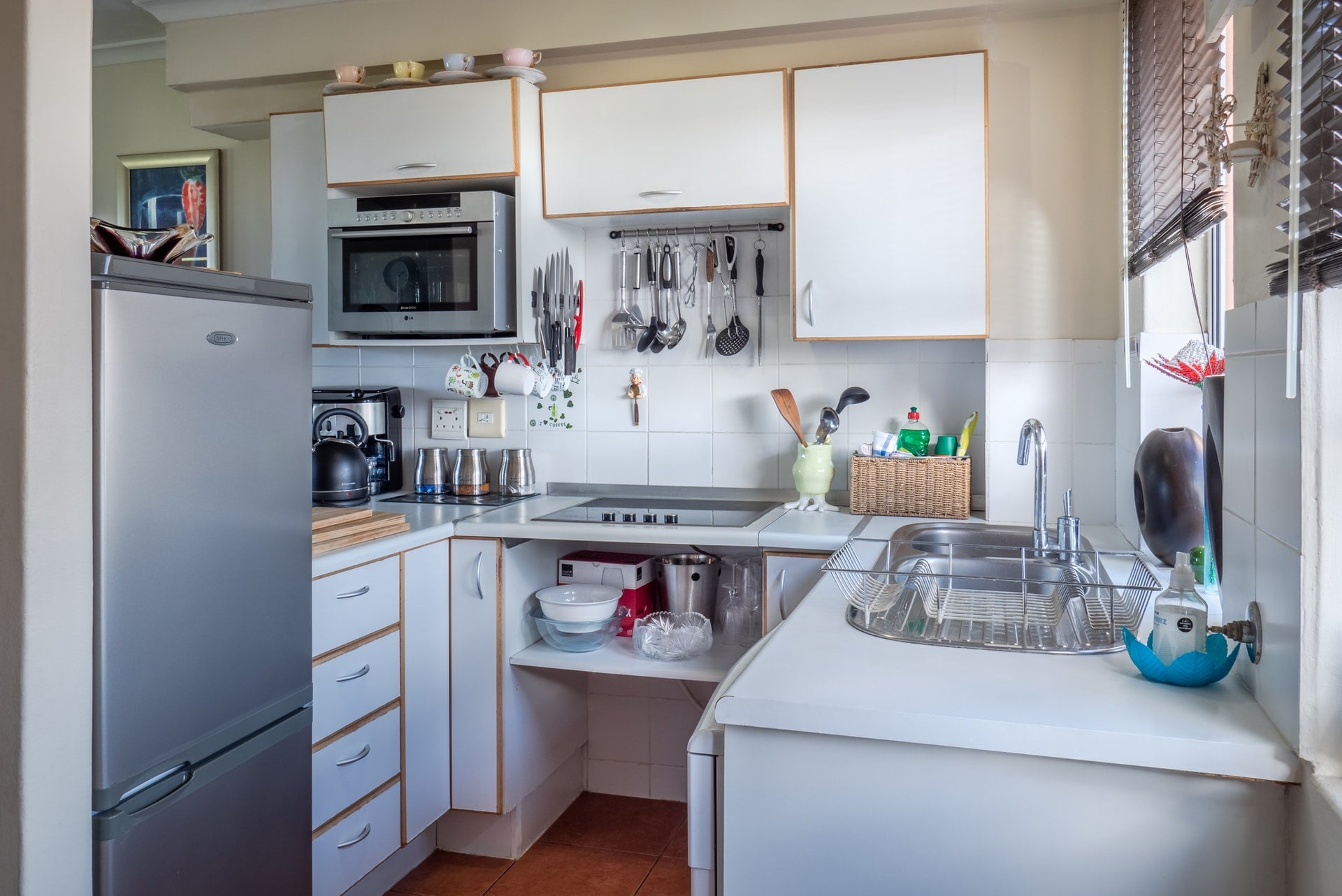
Lately, I kept feeling that the kitchen at home was faintly giving off an extremely disgusting, unique odor—the kind of smell of food rotting to the point of almost breeding maggots. However, after searching through the trash can, the sink drain, and the food waste bin, I still couldn’t find the true source of the smell.
Then one afternoon, I casually opened the “microwave” in the kitchen—
The answer was finally revealed! It turned out that my mother had microwaved a plate of meat dish at some unknown time, and after heating it, had completely forgotten it inside the sealed microwave cavity! After several days of stuffy fermentation, the whole plate of meat had long since spoiled and rotted, and that terrifying stench came rushing out in an overwhelming wave.
What was most despairing was that this microwave was a new appliance that had only been bought not long ago, so I couldn’t just throw it away like the previous one that had caught fire and smoked heavily due to improper operation. To save this new appliance that cost several thousand dollars, I immediately launched a “microwave stench rescue and thorough cleaning battle”!
Step One: Safety Protection and Initial Physical Residue Cleanup
When facing a highly spoiled food odor, do not rashly microwave and heat it to deodorize right away, otherwise the heat will drive the stench molecules deep into the microwave’s air ducts and insulation layers.
- Wear a mask and gloves: Put on a double-layer mask and disposable gloves, quickly remove the spoiled food and plate, and throw them into a sealed trash bag to be taken away.
- Remove the turntable and support for washing: Detach the glass turntable and the base rotating shaft inside the microwave, scrub them thoroughly with warm water and dish soap, then let them dry.
- Wipe the inner cavity walls: Use a warm cloth with a neutral cleaner to carefully wipe away the residual grease and stains on the microwave’s inner walls. (Note: When wiping the right-side wall, avoid the fragile magnetron mica/mylar sheet).
4 Natural Deodorizing and Steam Deep-Cleaning Methods
After the physical residue is cleaned up, a strong spoiled odor often still lingers in the cavity. At this point, you can use the following 4 natural deodorizing methods:
| Natural Deodorizing Method | Materials and Steps | Chemical/Physical Deodorizing Principle | Applicable Situations |
|---|---|---|---|
| 1. Lemon Steam Method | Slice a lemon into a large bowl of water, microwave on high for 3-5 minutes until boiling, keep the door closed and let sit for 10 minutes, then wipe | Citric acid and essential oils dissolve grease and neutralize alkaline odors | Food residue grease, general fishy smell |
| 2. Baking Soda Steam Method | Stir 2 tablespoons of baking soda into water, microwave on high until boiling, let sit for 15 minutes, then wipe | Weakly alkaline baking soda naturally neutralizes strongly acidic spoiled food odors | Severe expired rotten meat smell, sour odors |
| 3. White Vinegar Steam Method | Mix white vinegar and water 1:1, microwave until boiling, let sit and ventilate | Acetic acid effectively sterilizes and carries away stubborn volatile odors | Burnt scorched smell, moldy odors |
| 4. Tea Leaves/Coffee Grounds Adsorption | Place dried tea leaves or coffee grounds on a plate, put inside the microwave with the door closed and let sit overnight | Porous structure has strong physical odor-adsorbing ability | Residual odor removal, daily maintenance |
Detailed Practical Steps: The Lemon + Baking Soda Double Rescue
For this extreme stench of the “expired rotten meat” level, I ultimately used the “lemon and baking soda double method” to successfully save the microwave:
- First neutralize the sour odor with baking soda steam: Add 200ml of water to 2 tablespoons of baking soda, microwave on high for 4 minutes until a large amount of dense steam is produced. Close the microwave door and let sit for 15 minutes, allowing the alkaline steam to fully penetrate and soften the walls and neutralize the rotten odor.
- Wipe with a cloth dipped in baking soda water: After opening, take a cloth dipped in the warm baking soda water in the bowl and carefully wipe the top, bottom, and door seal rubber ring of the microwave.
- Then deodorize with fresh lemon water: Slice a fresh lemon into water, likewise microwave until boiling and let the steam sit for 10 minutes. The lemon citrus aroma will completely cover the remaining odor and restore the inner cavity to a shiny finish.
Daily Habits to Avoid Microwave Tragedies
After this thrilling rescue experience, I also remind everyone to establish the following good habits when using the microwave daily:
- Take food out immediately after heating: If you’re not going to eat it right away, leave the microwave door slightly ajar to remind yourself and your family.
- Use a microwave-safe cover when heating food: Prevent soup and grease from splattering onto the inner walls at high temperatures.
- Regularly place coffee grounds for ventilation: When not in use, you can place a small plate of dried used coffee grounds or binchotan charcoal inside the microwave to keep the internal air fresh at all times!
Support Independent Perspectives & In-Depth Insights
Every thoughtful analysis and candid critique comes from our dedication to truth and quality. We choose not to follow sensational algorithms or clickbait headlines.
Sustaining independent research requires reader support. Make a one-time or monthly contribution, securely processed by Google.
Payments secured by Google · Manage or cancel anytime in your Google Account


Comments