
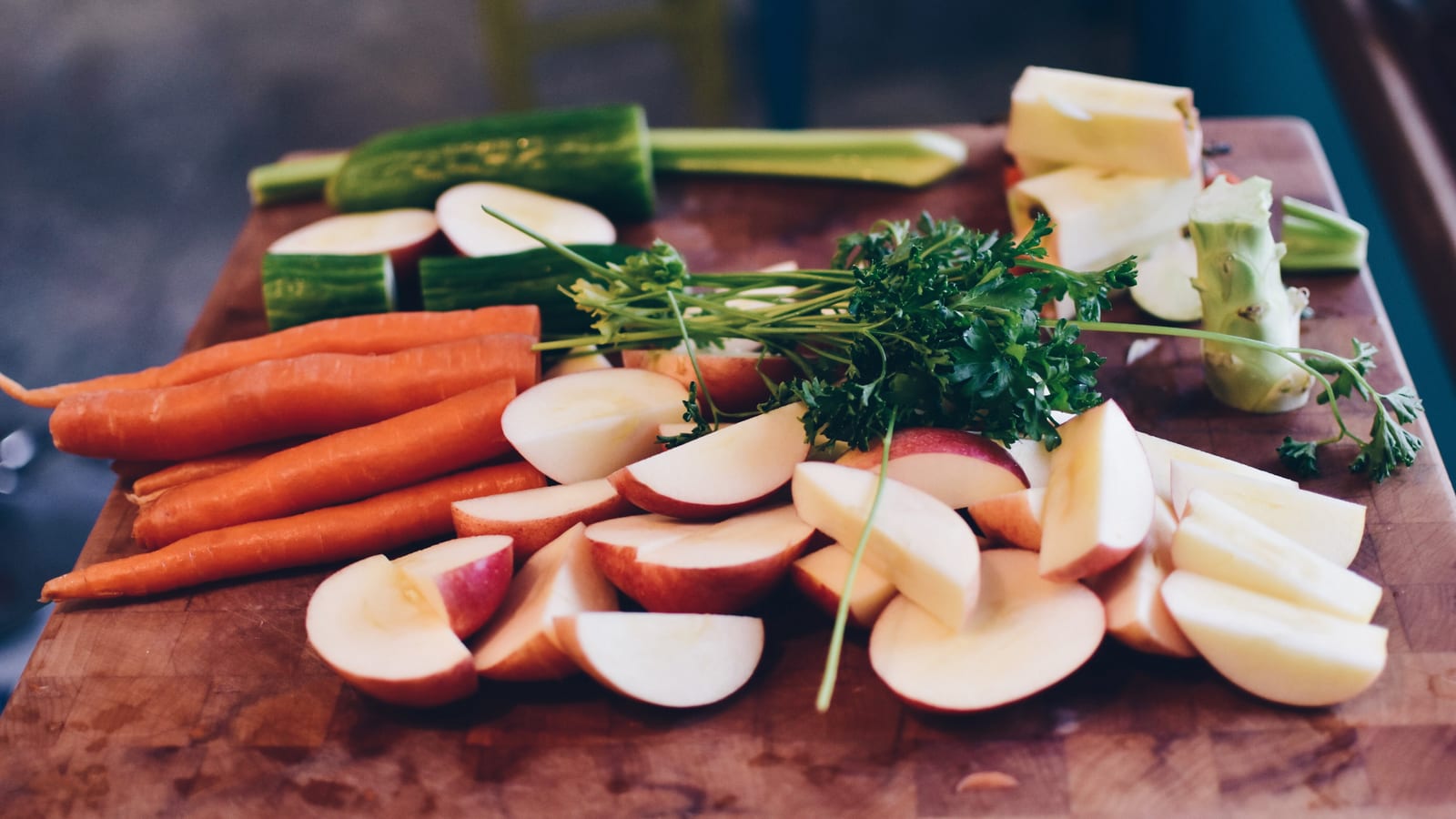
From childhood, the single most universal piece of health advice has been: “eat plenty of fresh vegetables for good health.” Vegetables are packed with dietary fiber, vitamins, minerals, and antioxidant phytochemicals—cornerstones of gut microbiome balance and cardiovascular vitality.
Yet in food safety reports and toxicology headlines, “nitrates” and “nitrites” are frequently demonized as “suspected carcinogens” and “health hazards.” While people are warned to limit cured meats like sausages and bacon due to sodium nitrite preservatives, few realize that more than 80% of our daily dietary nitrate intake comes directly from natural vegetables!
What is the true relationship between vegetables and nitrates? How can the very same natural food simultaneously harbor elements viewed as vital for wellness alongside compounds feared as harmful? And how can we enjoy the full spectrum of vegetable nutrition while eliminating any concern over excess nitrates?
Historical Controversy: From “Carcinogen Panic” to Epidemiological Vindication
Public anxiety regarding nitrates ($\text{NO}_3^-$) and nitrites ($\text{NO}_2^-$) originated in the 1950s.
At the time, toxicologists discovered that under acidic conditions, nitrites combine with secondary amines derived from protein breakdown to form “N-nitrosamines.” These compounds proved to be potent carcinogens capable of inducing esophageal, gastric, and hepatic tumors in laboratory animal models. Ever since, nitrates have been branded with a sinister reputation.
However, subsequent decades of comprehensive epidemiological studies conducted by the World Health Organization (WHO) and international cancer institutes revealed a striking paradox:
- The Epidemiological Paradox: Populations adhering to the Mediterranean diet or traditional plant-rich regimens with heavy vegetable consumption consistently exhibit significantly lower incidences of gastric cancer, esophageal cancer, and cardiovascular disease.
- No Direct Causation from Natural Intake: Ingestion of naturally occurring nitrates from vegetables demonstrates no consistent causal link to stomach cancer.
Scientists realized that earlier views of dietary nitrates overlooked an extraordinarily elegant human physiological compensatory mechanism.
The Scientific Paradigm Shift: A Vital Component of Human Defense
A seminal feature in Scientific American, titled “Hot Dogs and Germs: Could Notorious Preservatives Actually Protect Against Disease?”, highlighted groundbreaking work by teams led by Jon Lundberg at the Karolinska Institute in Sweden and Nigel Benjamin at the Peninsula Medical School in the UK:
1. The Enterosalivary “Nitrate–Nitrite–Nitric Oxide” Pathway
When we consume green vegetables, nitrates are absorbed in the small intestine and circulate into the bloodstream. Remarkably, salivary glands actively concentrate circulating nitrates, secreting up to 25% of them back into saliva. Commensal bacteria residing on the surface of the human tongue possess nitrate reductase enzymes, converting salivary nitrate into nitrite.
2. Nature’s Stomach Antibiotic: Nitric Oxide (NO) Gas
When nitrite-rich saliva is swallowed into the strongly acidic gastric environment (pH 1–2), nitrites rapidly break down, generating bursts of nitric oxide (NO) gas:
- Eradicating Tough Pathogens: Laboratory testing demonstrated that gastric acid alone often takes hours to neutralize pathogens like E. coli or Salmonella. However, when stomach acid contains nitrite-derived nitric oxide, pathogens are eradicated within one hour.
- Thickening Mucosal Lining and Enhancing Blood Flow: Rodent trials showed that animals receiving nitrate-enriched saliva developed substantially thicker protective gastric mucus linings alongside increased microvascular blood flow, erecting a robust barrier against gastritis and gastric ulcers.
- Vasodilation and Blood Pressure Regulation: Once absorbed into systemic circulation, nitric oxide acts as a potent endothelial relaxing factor, assisting in blood pressure homeostasis and helping prevent atherosclerosis.
As microbiologist Ferric Fang remarked: “We no longer view nitrates as purely toxic compounds; instead, we recognize their essential role in preserving physiological homeostasis.”
Where Do Nitrates in Vegetables Come From? Why Does Content Vary So Wildly?
If nitrates offer tangible physiological benefits, why do agricultural agencies and consumer protection organizations still closely monitor nitrate residues in produce?
The issue hinges on excessive concentrations and incomplete photosynthesis:
- Plant Nitrogen Metabolism: Nitrogen is an essential building block for plant protein and chlorophyll synthesis. When farmers fertilize crops (whether via synthetic nitrogen fertilizer or unfermented organic manure), roots absorb abundant nitrate ions.
- Under Plentiful Sunlight: When exposed to robust sunlight and active photosynthesis, plant enzymes rapidly metabolize nitrates into amino acids and proteins, leaving minimal residual nitrate.
- During Overcast Spells or Pre-Dawn Harvesting: Under consecutive overcast or rainy days, or when crops are rushed for harvest before dawn, plants cannot metabolize absorbed nitrogen. The unused nitrogen accumulates in leaf blades and stems as high concentrations of nitrate.
Comparison of Nitrate Accumulation Across Common Vegetables
Agricultural sampling reveals stark differences in nitrate accumulation across plant structures:
| Vegetable Classification | Representative Examples | Nitrate Accumulation Tendency | Recommended Culinary Preparation |
|---|---|---|---|
| High Accumulation (Leafy Greens) | Bok choy, Chinese cabbage, A-choy, spinach, amaranth | High (often 2,000–6,000 ppm; can exceed 10,000 ppm during rainy harvests) | Avoid eating raw; always blanch in boiling water and drain |
| Moderate Accumulation (Stems & Roots) | Water spinach, carrots, white radish, kohlrabi | Moderate (approx. 500–1,500 ppm) | Peel skin and cook thoroughly |
| Low Accumulation (Fruiting & Heading Crops) | Cabbage, cauliflower/broccoli, bell peppers, bitter gourd, tomatoes, cucumbers | Extremely Low (mostly below 100–300 ppm; broccoli often approaches zero) | Suitable for all preparations, both raw and cooked |
High-Tech Agriculture: Precision Nitrogen Management in Plant Factories
The rise of controlled-environment indoor agriculture—plant factories (vertical indoor hydroponic farms)—presents an innovative technological solution to nitrate accumulation:
- 24/7 Spectrum Precision: High-efficiency red and blue LED spectrums optimize plant photosynthesis continuously, accelerating the conversion of nitrogen into proteins.
- Pre-Harvest Nitrogen Depletion: Hydroponic systems switch to nitrogen-free nutrient solutions 2 to 3 days prior to harvest. This forces plants to consume internal nitrate reserves, slashing residual nitrate levels by 70% to over 90%.
Kitchen Best Practices: Four Science-Backed Cooking Rules
For ordinary consumers buying conventional produce, adopting four straightforward cooking techniques lets you maximize nutrients while eliminating nitrate risks:
1. Ditch the Salt-Water Soak; Wash with Running Water
The popular myth that “soaking in salt water removes pesticides and nitrates” is scientifically unfounded. Hypertonic saline dehydrates plant cells, causing cell wall collapse that locks in residues rather than washing them away. Instead, rinse produce under cold running water for 10 to 15 minutes.
2. Blanching: The Ultimate Physical Removal Method
Nitrates are highly water-soluble and leach readily into boiling water:
- Submerging leafy greens in rolling boiling water for 1 to 2 minutes dissolves 50% to 80% of the nitrate content into the water.
- Crucial Rule: Drain the cooked greens and discard the boiling broth. When preparing vegetable soups, opt for naturally low-nitrate vegetables such as cabbage, sweet corn, broccoli, or bitter gourd.
3. Pair Meals with Vitamin C and Polyphenols
Vitamin C, vitamin E, and polyphenolic antioxidants serve as natural chemical scavengers that block nitrosamine synthesis. Enjoying vitamin C-rich fresh fruits (such as guava, kiwifruit, or citrus) alongside meals or adding fresh lemon juice to salads strongly inhibits nitrosamine formation in the stomach.
4. Choose Optimal Harvest Times and Low-Accumulation Varieties
When sourcing from farmers’ markets, favor produce harvested during sunny afternoons when photosynthetic metabolism is at its peak. Diversify your plate with naturally low-nitrate produce such as broccoli, bell peppers, and cabbage.
Conclusion
Nitrates are neither pure toxins nor villains. They serve as fundamental building blocks for plant life and furnish the raw material for essential antibacterial and cardiovascular nitric oxide mechanisms in the human body.
The World Health Organization (WHO) and the Food and Agriculture Organization (FAO) establish the Acceptable Daily Intake (ADI) for nitrate at 3.7 mg per kilogram of body weight (approximately 222 mg for a 60 kg adult). By avoiding excessive raw juicing of high-accumulating leafy greens and adopting simple habits—eating diverse seasonal produce and briefly blanching greens in hot water—you can enjoy all the vibrant vitality of vegetables with total peace of mind!
Support Independent Perspectives & In-Depth Insights
Every thoughtful analysis and candid critique comes from our dedication to truth and quality. We choose not to follow sensational algorithms or clickbait headlines.
Sustaining independent research requires reader support. Make a one-time or monthly contribution, securely processed by Google.
Payments secured by Google · Manage or cancel anytime in your Google Account


Comments