
In our daily diets, foods can be classified into three broad categories based on storage stability and spoilage rate:
- Non-perishable foods: Ingredients with extremely low moisture content and high osmotic pressure, such as refined sugar, dry flour, and dehydrated beans.
- Semi-perishable foods: Foods with moderate moisture or protected by tough natural rinds and shells that keep for extended periods in cool, dry settings, such as potatoes, apples, and unshelled nuts.
- Perishable foods: Fresh ingredients with high water content, abundant nutrients, and rapid susceptibility to microbial growth, including poultry, livestock meats, eggs, milk, fresh produce, and seafood.
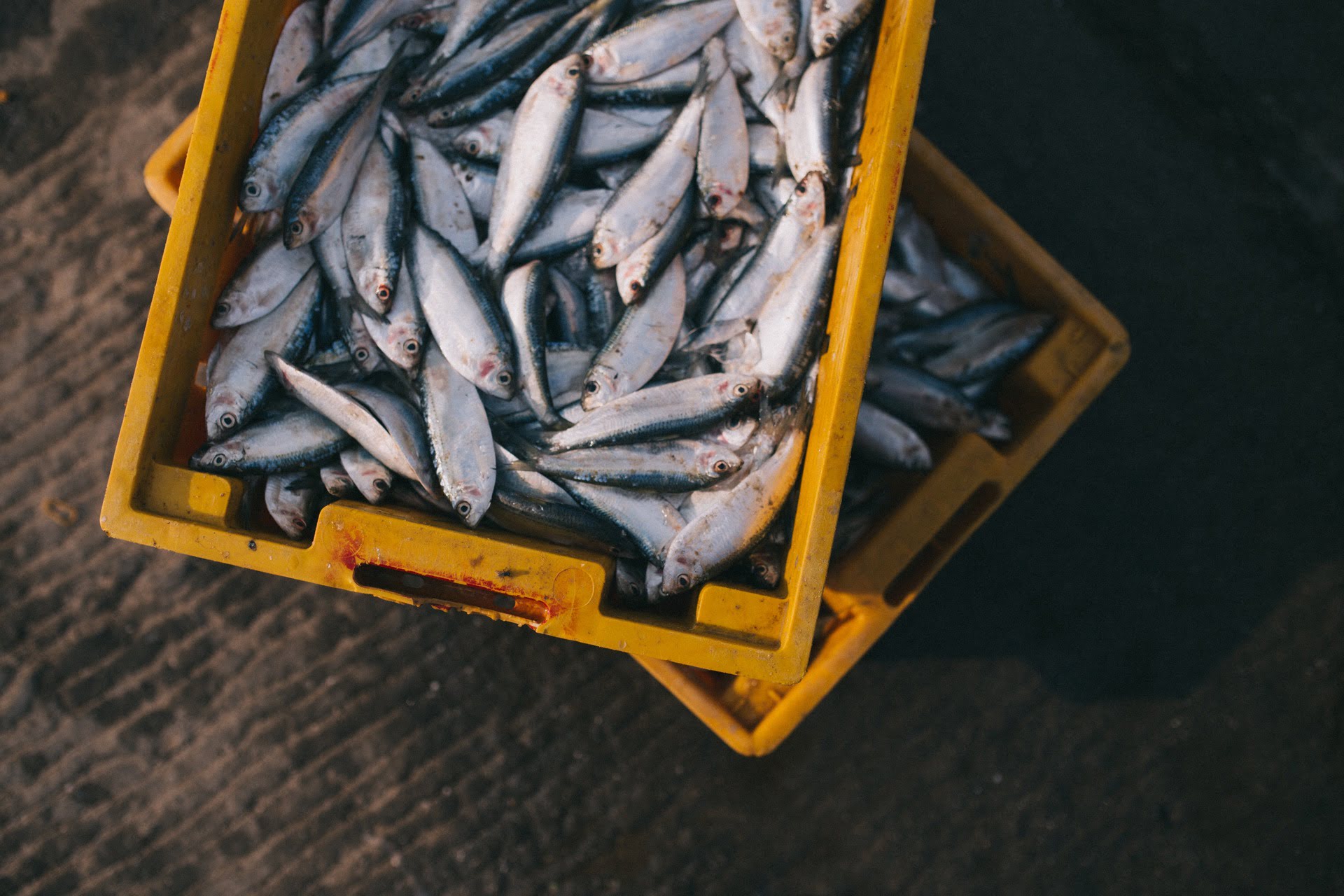
Seafood unquestionably falls into the most sensitive tier: "**highly perishable foods**". While seafood represents a vital source of high-quality protein and polyunsaturated fatty acids (such as EPA and DHA), many consumers wonder: why does a freshly bought fish spoil and develop unpleasant odors far faster than pork or beef if not iced immediately? Maintaining seafood freshness is governed by rigorous microbiological and biochemical mechanisms.
Why Do Fish and Shellfish Spoil Faster Than Livestock Meat?
Compared to terrestrial livestock like cattle, sheep, and pigs, the physiological structure and aquatic environment of aquatic organisms make them exceptionally prone to post-catch degradation:
| Comparison Metric | Seafood (Fish & Shellfish) | Terrestrial Livestock Meat (Beef, Pork) |
|---|---|---|
| Muscle Structure | Short myofibrils, sparse and thin connective tissue, delicate and tender texture | Dense, well-developed connective tissue, tightly bundled tough fibers |
| Moisture Content | Averages 70% to 80%, with high proportions of unbound free water | Water content around 60% to 70%, with more stable water-holding capacity |
| Post-Mortem pH Dynamics | Low glycogen stores; post-rigor pH sits at 6.0 to 7.3 (near-neutral to slightly alkaline) | Rich in glycogen; anaerobic glycolysis accumulates lactic acid, dropping pH to 5.4 to 5.6 (acidic) |
| Microbial Exposure | Mucus-coated skin; gills and digestive tracts carry immense bacterial loads that are hard to purge | Standardized slaughter procedures with thorough bleeding, skinning, and evisceration |
| Natural Immunity | Surface immune barriers collapse quickly once removed from water; low antibody retention | Tissue antibodies and physical barriers remain resilient longer |
The disparity in post-mortem pH is particularly crucial: mammalian muscle accumulates abundant lactic acid during rigor mortis, driving pH down into a mildly acidic range that naturally suppresses many putrefactive bacteria. Fish, conversely, carry minimal glycogen reserves. The lactic acid generated post-mortem is insufficient to maintain an acidic environment; this near-neutral or slightly alkaline tissue provides a fertile breeding ground for bacterial proliferation.
The Chemical Nature of Seafood Odor: TMAO, Histamine, and Volatile Bases
In healthy live fish, muscle tissue and circulatory fluids are virtually sterile. However, seafood muscle is abundant in non-protein nitrogen compounds (extractives). Under bacterial activity, these substrates undergo rapid chemical deterioration:
1. Reduction of Trimethylamine Oxide (TMAO) to Trimethylamine (TMA)
Marine fish (especially deep-sea species, cod, flatfish, and sharks) naturally contain high concentrations of trimethylamine oxide (TMAO), which regulates osmoregulation and counters high hydrostatic pressure.
Upon death, bacteria on the skin and digestive tract produce TMAO reductase, swiftly reducing odorless TMAO into volatile trimethylamine (TMA). TMA is the chief chemical culprit behind the sharp, pungent “fishy odor.”
2. Deep Protein Breakdown and Volatile Basic Nitrogen
As spoilage progresses, bacterial proteolytic enzymes break down muscle proteins into free amino acids, subsequently metabolizing them into:
- Ammonia ($NH_3$) and low-molecular-weight amines
- Hydrogen sulfide ($H_2S$) (rotten egg odor)
- Indole and skatole (fecal odor)
These volatile basic compounds elevate the fish tissue pH above 7.5 to 8.0, causing the flesh to soften into a watery, decomposing state that emits offensive putrid odors.
3. Decarboxylation of Histidine into Histamine (Scombroid Poisoning)
Dark-muscled pelagic fish such as mackerel, bonito, saury, and swordfish are naturally rich in free histidine. When such fish are contaminated with bacteria harboring histidine decarboxylase (such as Morganella morganii) and left at ambient temperatures, histidine is rapidly converted into histamine.
- Taste Warning: Fish with dangerously elevated histamine levels may not smell completely rotten, but will trigger an abnormal peppery, burning stinging sensation on the tongue.
- Health Hazard: Ingesting high levels of histamine causes scombroid fish poisoning, triggering severe allergy-like symptoms: facial flushing, widespread urticaria, palpitations, vomiting, and respiratory distress. Histamine is extremely heat-stable and cannot be degraded by boiling, frying, or baking.
The Three Physiological Stages of Freshness Decline
From harvest to total decomposition, fish tissue undergoes three distinct biochemical phases:
Live Fish ➔ [Rigor Mortis] ➔ [Autolysis] ➔ [Bacterial Putrefaction]- Rigor Mortis: Occurs shortly after catch as muscle fibers contract and stiffen due to ATP depletion. At this stage, the fish remains exceptionally fresh; microbes have not penetrated the muscle, making it prime for sashimi and fine culinary applications.
- Autolysis (Self-Digestion): Once rigor mortis resolves, endogenous tissue enzymes (such as cathepsins) commence self-digestion. Muscle fibers loosen, flesh softens, and peptides and free amino acids are liberated. While flavor-enhancing inosine monophosphate (IMP) peaks here, this softening also breaches barriers, welcoming bacterial invasion.
- Bacterial Putrefaction: Surface and visceral bacteria penetrate the softened muscle fibers, rapidly multiplying and metabolizing proteins. Flesh loses all elasticity, producing surface slime and strong decomposition odors.
Seafood Microbial Communities and Lipid Oxidation
The microbial profile on seafood surfaces directly reflects harvest waters and temperature conditions:
- Psychrophiles (Cold-Loving Bacteria): Predominant in cold and temperate deep-sea environments, typified by Pseudomonas and Achromobacter. These species continue slow metabolic growth even at conventional refrigeration temperatures (0°C to 4°C). Consequently, prolonged refrigeration will not halt seafood spoilage indefinitely.
- Mesophiles and Enteric Bacteria: Common in tropical waters, including Vibrio (e.g., Vibrio parahaemolyticus), Aeromonas, and coliform groups.
- Bioconcentration in Filter-Feeding Bivalves: Bivalve shellfish like oysters and clams filter tens of liters of seawater daily for nutrients, concentrating high densities of aquatic microorganisms in their gills and digestive glands. If harvest waters are compromised, pathogen contamination rates rise precipitously.
Beyond microbial activity, the abundant polyunsaturated fatty acids (EPA, DHA) in fish are highly vulnerable to lipid autoxidation catalyzed by ambient oxygen and light, yielding aldehydes and ketones that cause yellow discoloration, rancidity, and stale odors.
From Ocean to Kitchen: Scientific Preservation Protocols
Slowing seafood spoilage relies on two pillars: rapid microbial inhibition and halting endogenous enzymatic digestion:
1. Low-Temperature Icing on Fishing Vessels and at Ports
- Crushed Ice Pack: Best suited for coastal catches intended for immediate retail sale. Gills and viscera are removed, and crushed ice is packed into the abdominal cavity, layered in an alternating pattern of ice and fish. Proper drainage at the bottom is essential to prevent melted water from pooling and causing cross-contamination.
- Ultra-Low Temperature Blast Freezing (-25°C to -30°C): Deep-sea catches are moved into blast freezers immediately upon capture. At temperatures below -25°C, free water freezes into tiny ice microcrystals, halting microbial activity and enzymatic reactions and locking in fresh texture for up to a year.
2. Four Rules for Consumers: Purchase and Home Handling
When buying seafood at wet markets or supermarkets, observe the following rules:
- Inspect Retail Conditions: Avoid buying fish exposed directly to sunlight, uncovered by crushed ice, or sitting at ambient temperatures.
- Verify Physical Integrity and Muscle Springiness: Avoid specimens with surface tears, scratches, or ruptured bellies, which allow bacteria easy entry into deep muscle. Fresh fish flesh springs back quickly when lightly pressed; gills should appear bright red rather than dull greyish-brown.
- Smell for Clean Aromas: Fresh seafood carries a clean, briny oceanic scent. Any faint trace of ammonia, sourness, or sharp chemical odor signals TMA buildup and advancing spoilage.
- Immediate Home Processing: “Degill, Gut, Portion, and Freeze”: If not cooking fresh fish immediately, excise gills, slice open the belly, scrape clean the bloodline along the spine, and remove all viscera. Rinse briefly under running cold water, pat the surface thoroughly dry, seal tightly, and place into the freezer—cutting off the growth substrate for spoilage bacteria.
Support Independent Perspectives & In-Depth Insights
Every thoughtful analysis and candid critique comes from our dedication to truth and quality. We choose not to follow sensational algorithms or clickbait headlines.
Sustaining independent research requires reader support. Make a one-time or monthly contribution, securely processed by Google.
Payments secured by Google · Manage or cancel anytime in your Google Account


Comments