
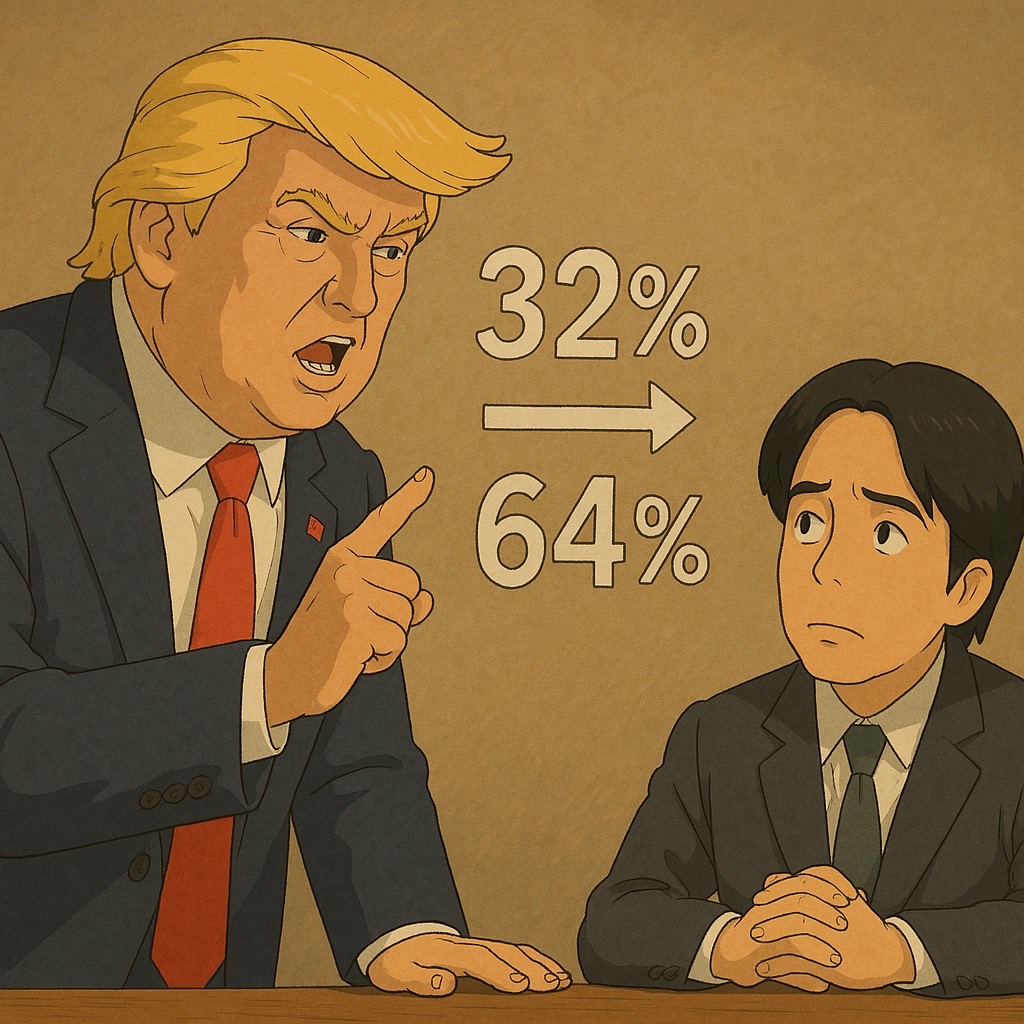
In modern globalization, tariffs are frequently packaged under the noble mantle of protecting domestic jobs or punishing unfair trade practices.
However, dissecting the economic reality of protective tariffs—particularly through a post-colonial lens—reveals that hegemonic tariffs rarely function as true domestic buffers. Instead, they act as mechanisms of cost-shifting, transferring economic burdens onto peripheral allies and consumers. In US-Taiwan trade relations, this dynamic is especially pronounced: smaller partner economies increasingly absorb supply chain friction to cushion inflationary pressures in the American heartland.
This is not merely a technical accounting dispute; it is an epitome of asymmetric power structures and geopolitical dependency.
The Economic Reality: Who Actually Pays for Tariffs?
Elementary trade theory demonstrates that import tariffs are domestic sales taxes. While nominally levied on foreign exporters at the port of entry, importing wholesalers routinely mark up prices down the retail chain.
Estimates from the Tax Foundation established that during the 2018–2020 tariff expansions, American households paid between $40 billion and $60 billion annually in higher consumer costs. Political slogans declaring that “the foreign country pays” represent rhetorical fiction; domestic consumers pick up the tab.
Furthermore, when the world’s primary consumer market erects protectionist barriers, integrated supply chains force mid-sized, export-driven economies to absorb severe collateral shocks. Highly specialized in semiconductors and advanced electronics, Taiwanese manufacturers depend heavily on North American demand.
Forced supply chain re-shoring, semiconductor fab relocation overseas, and volatile component pricing compress corporate operating margins. In practice, local workforces and smaller suppliers bear the brunt of capital reconfiguration.
Political Submission and Unilateral Concessions
Confronted with American tariff and industrial relocation pressures, incumbent administrations in Taipei have pursued policies prioritizing diplomatic acquiescence over domestic industrial self-interest.
Rather than banding together with regional manufacturing allies to negotiate balanced terms, policy choices have centered on rapid unilateral concessions: lifting restrictions on agricultural imports, endorsing forced foundry relocations overseas, and accepting elevated structural production costs.
Behind this compliance lies a deeply ingrained post-colonial mindset: treating the imperial hegemon as an unquestioned protector, bartering tangible domestic economic equities in exchange for abstract diplomatic reassurance.
Forcing high-margin manufacturing titans like TSMC to build expensive capacity in Arizona exposes domestic technology champions to prohibitive operating overhead and engineering friction. The end result is clear: while foreign consumers benefit from subsidized reshoring and stabilized regional pricing, domestic taxpayers shoulder the structural inflation.
The Post-Colonial Frame: Structural Asymmetry
In post-colonial international relations theory, sovereignty is rarely extinguished by old-school military occupations; it is constrained through financial, trade, and security dependencies.
A dominant economic hegemon leverages its market size to export tariff shocks onto allied sub-economies. The sub-economy, anxious to secure military guarantees and diplomatic patronage, routinely concedes economic sovereignty.
Historically, colonies supplied cheap raw materials and absorbed the mother country’s economic shocks in exchange for formal protection. In the 21st century, the choreography remains remarkably similar: smaller states make outsized commercial trade concessions to satisfy foreign geopolitical demands, steadily eroding their own industrial autonomy.
Conclusion: The Imperative for Autonomous Agency
Tariff politics expose systemic inequalities in global trade. Endlessly absorbing hegemonic tariff burdens under the guise of loyalty represents voluntary subordination.
Breaking free from structural dependency requires diversifying regional trade pacts across Southeast and East Asia, defending critical manufacturing supply chains at home, and bargaining assertively in bilateral negotiations. Peripheral nations cannot afford to remain perpetual shock-absorbers for foreign protectionist experiments. Genuine security begins with preserving domestic economic sovereignty.
Support Independent Perspectives & In-Depth Insights
Every thoughtful analysis and candid critique comes from our dedication to truth and quality. We choose not to follow sensational algorithms or clickbait headlines.
Sustaining independent research requires reader support. Make a one-time or monthly contribution, securely processed by Google.
Payments secured by Google · Manage or cancel anytime in your Google Account


Comments