
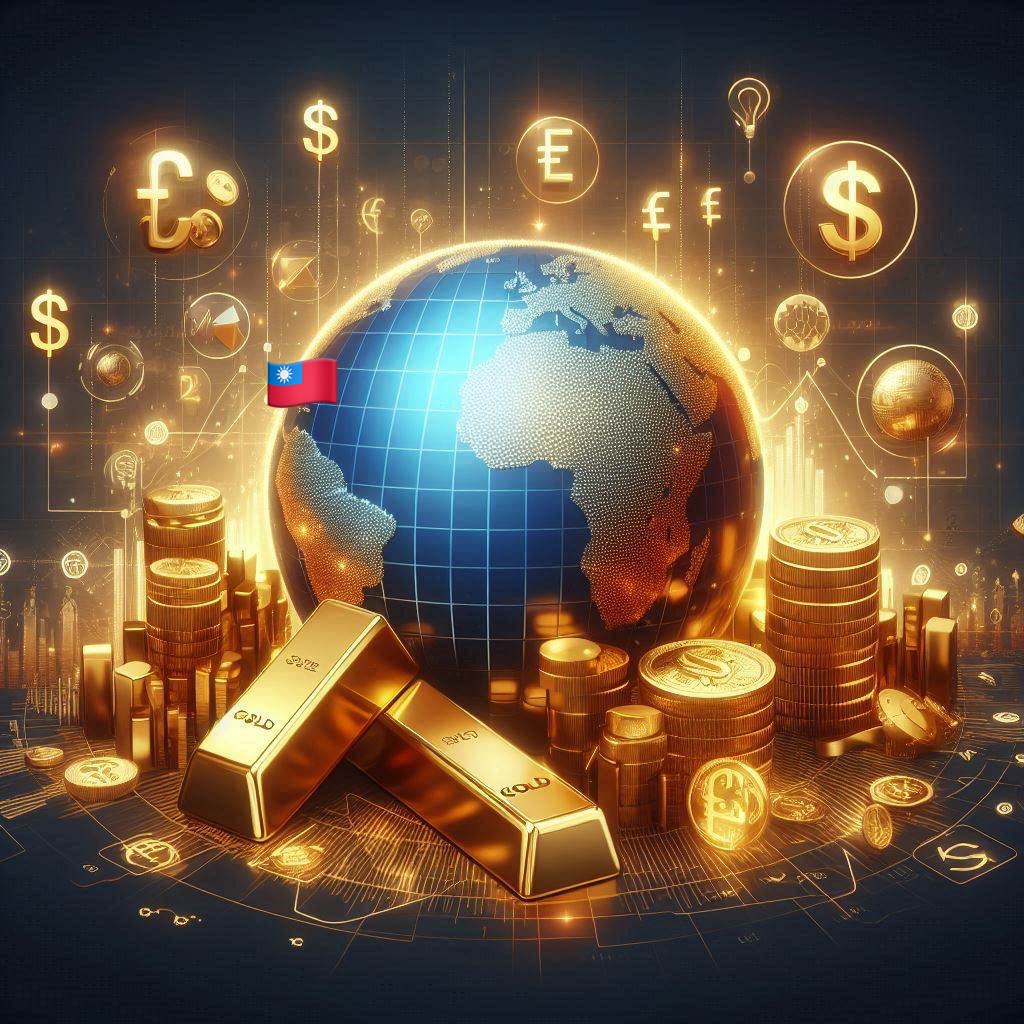
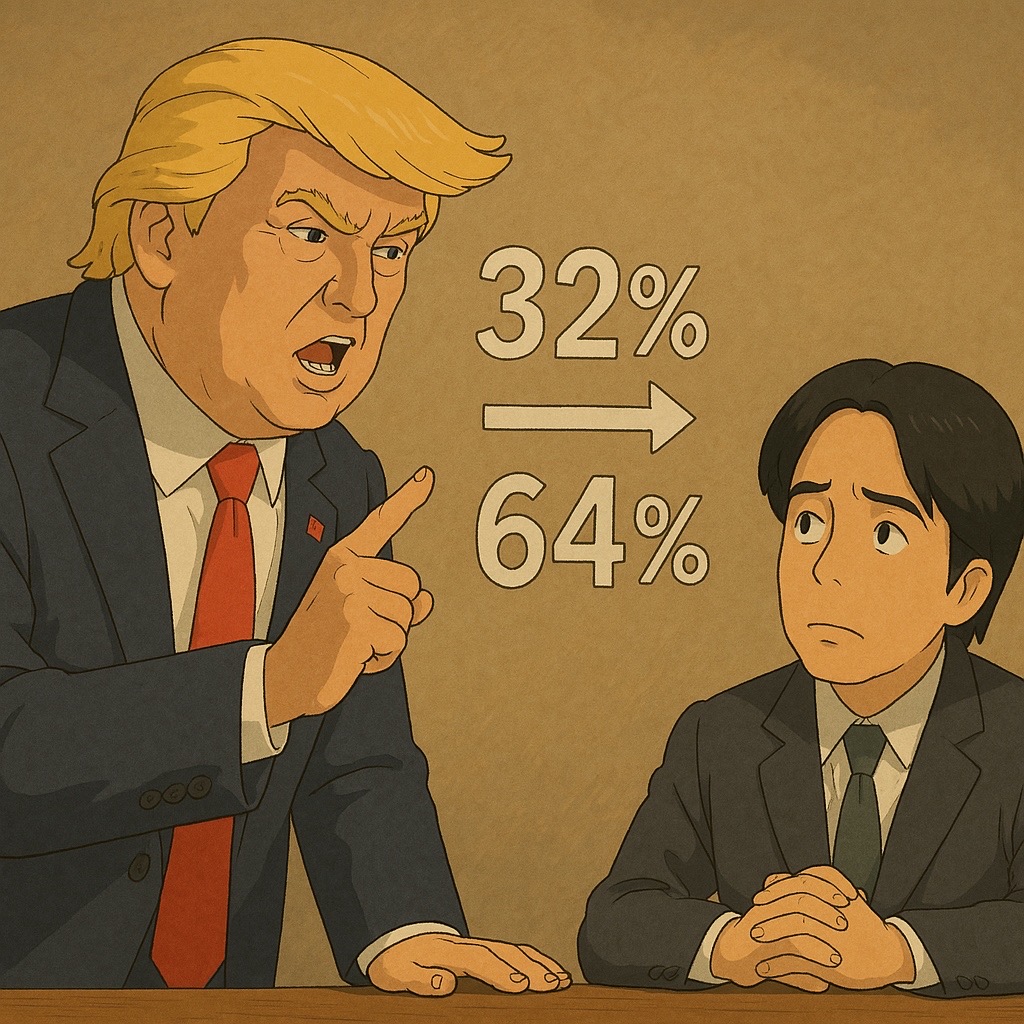
Recently, the newly re-elected U.S. President Trump posted: “Impose an additional 10% tariff on China (mainland)! A 25% tariff on Mexico and Canada! Will terminate China’s (mainland’s) most-favored-nation trade status with the United States.”
As soon as this statement was made, international markets immediately reacted strongly, causing the exchange rates of the Canadian dollar, Mexican peso, euro, British pound, Korean won, and Australian dollar to fall against the U.S. dollar.
The Canadian Broadcasting Corporation called this “the most serious threat to Canada in years.”
Research by the National Retail Federation (NRF) points out that if the new tariff plan is implemented, U.S. consumers’ annual spending power could lose as much as 78 billion USD. These tariffs would affect consumer categories such as clothing, toys, furniture, appliances, footwear, and travel goods. They would make the economic burden on low-income families even heavier, because tariffs are ultimately passed on to consumers, causing prices to rise.
Based on the tariff policies announced by Trump and their possible impact on global markets, we can analyze the trend of gold prices from economic and historical perspectives (for research reference only):
The Mechanism by Which Tariff Policy Affects Gold Prices
Growth in Safe-Haven Demand
Trump’s tax-increase policy causes instability in global financial markets, the U.S. dollar index rises, and it triggers the depreciation of other currencies (such as the Canadian dollar and Mexican peso). When market risk aversion increases, investors often turn to safe-haven assets such as gold, pushing gold prices higher.
Inflation Risk
Higher tariffs push up the cost of imported goods, especially for consumer goods (such as clothing, footwear, and home appliances). This may cause U.S. inflationary pressure to rise, and gold is often used as a tool against inflation, which may further drive gold prices up.
Risk of a Global Economic Slowdown
If trade friction between the United States and China, Canada, Mexico, and other countries escalates, it may further suppress global economic growth. A weak economy usually pushes central banks to adopt easing policies (such as cutting interest rates), which also helps gold prices rise.
Similar Historical Events
The 2018–2019 U.S.-China Trade War
At that time, Trump imposed additional tariffs on China, triggering market turmoil. In 2019, gold prices began to soar from about 1,200 USD per ounce to above 1,500 USD, mainly due to increased market risk aversion.
At the same time, the Federal Reserve’s interest rate cuts and a weakening U.S. dollar further pushed gold prices higher.
The 2008 Financial Crisis
• During the global financial crisis, declining market confidence caused gold demand to surge, and gold prices continued to rise between 2008 and 2011, eventually breaking through the historical high of 1,900 USD per ounce.
National Gold Price Trend Forecast
1. Short-Term Gold Price Rise
Tariff news causes unstable market sentiment, and safe-haven demand will push gold prices higher.
If other countries’ currencies continue to depreciate, gold prices will continue to benefit.
2. Medium Term Depends on Policy Development
If U.S. trade policy triggers a broader global economic weakness, gold prices may rise further.
However, if Trump’s policies are interpreted by the market as merely a short-term strategy, market confidence may recover, and the extent of the gold price rise will be limited.
3. Long Term Requires Attention to the Dollar Trend and Central Bank Policy
If the U.S. dollar index remains strong, it may exert some pressure on gold prices.
But if the Federal Reserve launches more easing policies (lower interest rates), gold prices will rise further.
Results and Discussion
Based on the tariff protection measures promoted by Trump, international gold prices may see the following increases in the future:
Short-term gold price: May rise rapidly to the range of 1,950–2,000 USD per ounce.
Medium-term gold price: Depends on the further implementation of policies, may fluctuate between 1,900 and 2,100 USD.
Long-term gold price: If the global economy slows and central bank monetary policy eases, gold prices may challenge a historical high above 2,100 USD.
Support Independent Perspectives & In-Depth Insights
Every thoughtful analysis and candid critique comes from our dedication to truth and quality. We choose not to follow sensational algorithms or clickbait headlines.
Sustaining independent research requires reader support. Make a one-time or monthly contribution, securely processed by Google.
Payments secured by Google · Manage or cancel anytime in your Google Account

Comments