
As food safety issues increasingly draw public concern, do you know that commercial honey on supermarket shelves often falls into two distinct categories: genuine pure honey and counterfeit blended syrup? And more importantly, do you know how to tell them apart?
Real honey is the hard-earned fruit of foraging honeybees, brimming with vitamins, essential minerals, and diverse amino acids that support healthy metabolic functions. For millennia, the rich nutritional profile and complex floral aromas of natural honey have made it a prized, enduring superfood.
A world-famous example is New Zealand’s prized Manuka Honey, celebrated for its rich, opaque amber hue and distinctive earthy floral aroma. Mizuc specifically asked me to highlight it here: during an extended backpacking journey across New Zealand, he became an ardent admirer of local honey varieties, and that exceptional tasting experience remains vivid in his memory to this day.
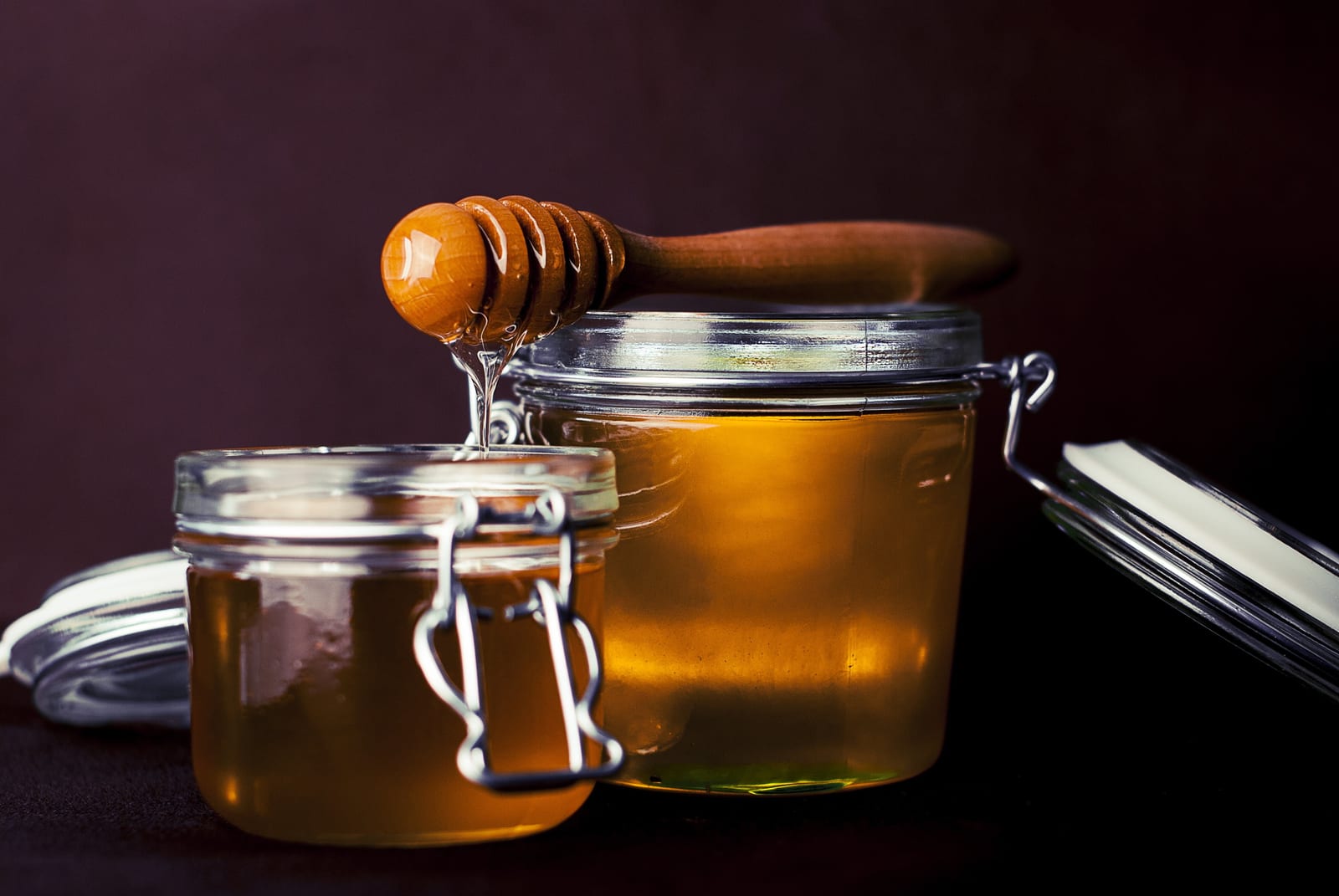
In contrast, counterfeit honey is merely an industrial blend concocted from artificial flavorings and cheap high-fructose corn syrup from opaque supply chains. Its aroma is flat and chemical, and its sweetness feels cloying and synthetic.
To help consumers navigate the market safely, Vedfolnir presents the practical honey identification guide developed by experts at the Agriculture and Food Agency, Council of Agriculture, Executive Yuan, ensuring you can shop with confidence and savor this ancient gift of nature (one shared by humans and bears alike).
Identifying Characteristics of Genuine Honey
Visual Inspection:
Because genuine pure honey contains microscopic pollen grains, its light transmission is relatively low. If you place your fingers behind a glass jar of real honey, the outlines of your fingers will appear blurred and indistinct. For example, New Zealand’s Manuka Honey possesses such dense coloration that light barely penetrates the jar. Lighter honeys, such as longan or lychee honey imported from Thailand, are somewhat clearer, yet fingers held behind the jar remain partially obscured. Additionally, microscopic fine air bubbles naturally cling to the surface of real raw honey.
Aroma & Crystallization:
Real honey carries distinct natural floral notes specific to its botanical source, and crystallized portions exhibit a delicate, creamy white texture. Crystallization patterns vary widely depending on the floral nectar source.
Palate & Mouthfeel:
Rich in authentic floral fragrance with a smooth, velvety mouthfeel that stimulates saliva and leaves an enduring, nuanced aftertaste. Natural honey crystals dissolve effortlessly on the tongue.
Hot Water Test:
When mixed with hot water, genuine honey develops a subtle, pleasant sweet-and-sour tang.
Water Shake Test:
Pure honey contains abundant natural proteins and amino acids. When diluted with cold water in a bottle and shaken vigorously, a thick, persistent layer of fine, velvety foam forms across the surface and remains stable for a long time.
Identifying Characteristics of Blended / Fake Syrup
Visual Inspection:
The liquid is unnaturally transparent and clear; fingers held behind the bottle can be seen in crisp detail, and virtually no micro-bubbles exist on the liquid surface.
Aroma & Crystallization:
Exhibits a one-dimensional artificial fragrance or chemical syrup smell. Does not crystallize naturally over time.
Palate & Mouthfeel:
Lacks botanical floral nuance; tastes merely like ordinary, intensely sugary water.
Hot Water Test:
Tastes purely sweet with zero natural acidity or complex flavor undertones.
Water Shake Test:
Because it is merely an artificial mixture of fructose syrup and flavorings, shaking produces minimal bubbles that quickly pop and vanish, leaving the liquid surface calm and flat like plain sugar water.
Support Independent Perspectives & In-Depth Insights
Every thoughtful analysis and candid critique comes from our dedication to truth and quality. We choose not to follow sensational algorithms or clickbait headlines.
Sustaining independent research requires reader support. Make a one-time or monthly contribution, securely processed by Google.
Payments secured by Google · Manage or cancel anytime in your Google Account


Comments