
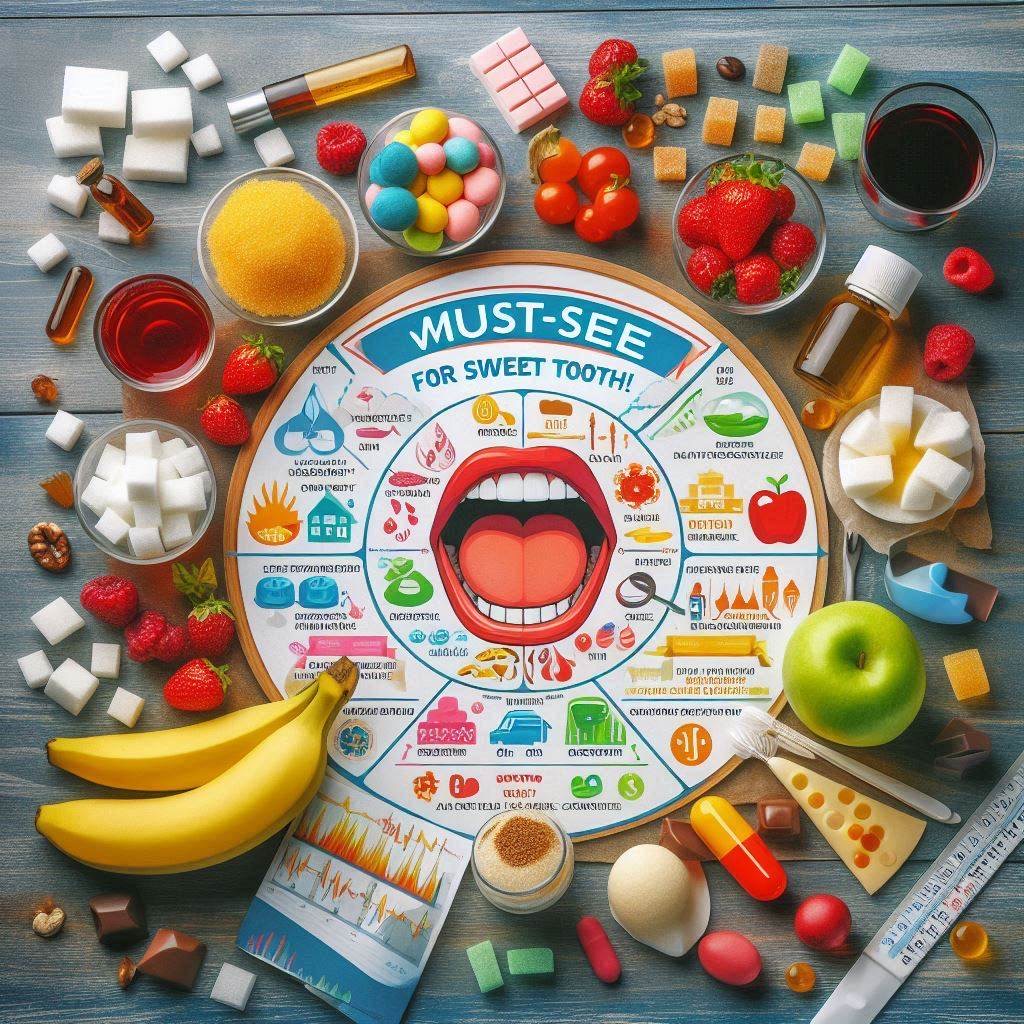
Sugar is one of the indispensable seasonings in the modern diet, not only adding flavor to food but also providing energy.
However, different types of sugar affect health differently, especially when it comes to blood glucose. Understanding the Glycemic Index (GI) of sugar helps you control blood glucose and make healthier dietary choices.
The Glycemic Index (GI): Pure Glucose as the Standard
When comparing the Glycemic Index of foods, scientists use pure glucose as the standard sample and set its GI value at 100.
This means glucose raises blood glucose quickly, and the GI values of other sugars or foods should fall between 0 and 100, usually never exceeding 100.
The higher the GI value, the faster it enters the bloodstream and the more dramatic the blood glucose swings. For people who need to manage their blood glucose, choosing sugars with a low GI value can reduce sharp fluctuations and maintain a more stable blood glucose level.
An Overview of the GI Values of Common Sugars
Sugar****Glycemic Index (GI)****Characteristics and UsesGranulated sugar (sucrose) 65The most common sugar, composed mainly of sucroseSuperfine sugar65A type of white sugar with pure sweetnessSanonto sugar55-65Contains molasses, richer flavor, good for seasoningBrown sugar55-60Rich in minerals, considered nourishingHoney50-70A natural syrup whose sweetness varies with the nectar sourceMaple syrup54Distinctive flavor, good for desserts and breakfastRed sugar55-60Contains molasses, good for baking and seasoningTrehalose30-40Low sweetness, suitable for those managing blood glucoseMaltitol35A sugar alcohol, common in sugar-free foodsCoconut sugar35Contains natural minerals, one of the healthier choicesGI values of common sugars
The Characteristics and Benefits of Various Sugars
- Granulated sugar and superfine sugar
The Glycemic Index of granulated sugar and superfine sugar is about 65. Their main component is sucrose (made up of glucose and fructose), which breaks down quickly in the body to produce energy, making them suitable for people who need a rapid energy boost. However, those who need to manage their blood glucose are advised to consume them in moderation.
- Sanonto sugar, red sugar, and brown sugar
These sugars contain molasses, carry a rich aroma, and because they contain minerals such as iron and calcium, they offer certain health benefits. Their GI values are around 55-60, slightly lower than refined sugar, making them suitable for baking and seasoning.
- Honey and maple syrup
Honey and maple syrup are naturally sourced sugars with a Glycemic Index of about 50-70, slightly lower than granulated sugar. Honey provides small amounts of vitamins (such as vitamin C and B vitamins) and minerals (such as calcium, magnesium, and potassium), and contains antioxidants that help with anti-inflammation and immunity; maple syrup is rich in minerals such as calcium, zinc, and manganese, which benefit the bones and immune system.
- Trehalose and maltitol
These two sugars have lower Glycemic Index values and are especially suitable for people who need to manage their blood glucose.
- Trehalose: A GI value of about 30-40, low sweetness and slower digestion, helping to keep blood glucose stable and less likely to cause cavities, making it suitable for producing health foods.
- Maltitol: A GI value of about 35, with sweetness close to sucrose but fewer calories and less impact on blood glucose. It is common in sugar-free chocolate and candy and is less likely to cause cavities, but excessive intake may lead to bloating or diarrhea.
- Coconut sugar
Coconut sugar is made from coconut flower nectar and contains small amounts of natural minerals such as potassium and magnesium. Its GI value is about 35, and in recent years it has become a popular choice among healthier sugars.
Sugar Substitutes: The Pros and Cons of a Low-Calorie Option
Sugar substitutes, including artificial and natural sweeteners, are an alternative for many people who manage their blood glucose or reduce calorie intake. Two common types are described below:
- Artificial sweeteners: These include aspartame, saccharin, and acesulfame potassium. They contain no or very few calories and do not directly affect blood glucose, making them suitable for people with diabetes or those trying to lose weight. However, some studies suggest that long-term intake of artificial sweeteners may affect gut flora, leading to changes in insulin sensitivity or increased dependence on sweetness.
- Natural sweeteners: Such as stevia and monk fruit sweetener, these are naturally sourced and calorie-free, with intense sweetness and no risk of blood glucose swings, and a relatively smaller impact on the gut. However, the flavor and sweetness of natural sweeteners differ from sucrose, and some carry a distinctive plant-like taste, making them unsuitable for all cooking uses.
The Drawbacks of Sugar Substitutes
- Digestive discomfort: Excessive intake of sugar-alcohol sweeteners (such as xylitol and maltitol) can cause bloating and diarrhea.
- Differences in taste: Artificial sweeteners may carry an off-flavor or metallic taste, and their mouthfeel is inferior to natural sugars.
- Metabolic effects: Some studies point out that certain sweeteners may affect gut flora or insulin sensitivity, thereby interfering with blood glucose metabolism.
Health Advice: Choosing the Right Sugars and Substitutes Based on Your Needs
Different sugars and sugar substitutes affect blood glucose differently, and choosing the appropriate sugar helps support health.
High-GI sugars such as granulated sugar and red sugar have a rich flavor but a greater impact on blood glucose swings, so they should be used in moderation.
Low-GI sugars such as trehalose, coconut sugar, or sugar alcohols are better at stabilizing blood glucose and are especially suitable for those who need to manage it.
When choosing sugar substitutes, you can pick the appropriate type based on your purpose and needs, and be mindful of moderation to avoid digestive discomfort.
Conclusion
Understanding the types of sugar, the Glycemic Index, and nutritional composition helps us make healthier choices. Using the GI value of pure glucose at 100 as a baseline, we can assess how other sugars affect blood glucose.
Natural sweeteners such as honey and maple syrup not only add flavor but also provide small amounts of nutrients, making them natural, healthy choices. Choosing sugars appropriately and controlling the amount used can help us enjoy delicious food while maintaining stable blood glucose and achieving our health goals.
Support Independent Perspectives & In-Depth Insights
Every thoughtful analysis and candid critique comes from our dedication to truth and quality. We choose not to follow sensational algorithms or clickbait headlines.
Sustaining independent research requires reader support. Make a one-time or monthly contribution, securely processed by Google.
Payments secured by Google · Manage or cancel anytime in your Google Account



Comments