
Perhaps having been a backpacker for so long, and grown so accustomed to it, I have gradually developed my own travel rhythm across countless journeys. When it comes to discovering food and restaurant delicacies during my travels, I hold this view: “There is no ‘must-eat,’ only the authentic flavor of local life”.
High-end fine dining restaurants located in tourist hotspots have always struck me as places built solely to feed tourists or serve critical celebrations. Most of the time, what you are paying for is simply the ambiance.
Back in your own hometown, do you casually visit upscale restaurants in crowded tourist hubs for no good reason? (If you do, I genuinely worry for your physical and financial health.)
If you ever visit Tamsui and ask me to take you to a fancy, upscale culinary establishment, I might truly have no idea where to take you.
Agei (stuffed tofu)? Maybe. Although hardly a masterclass in culinary arts—let alone haute cuisine—it certainly serves as an ambassador of local Tamsui snacks. Having tried more than seven or eight different Agei stalls, none ever reached a pinnacle where I’d say it is an absolute “must-eat.” Still, trying it out isn’t a bad idea; after all, if you never try an unfamiliar dish, you will never know what it actually tastes like.
In reality, once the standard of culinary taste reaches a pinnacle, it tends to settle into a uniform archetype that varies little regardless of where you are in the world. The defining difference lies not so much in technique, but in whether the chef’s command of local produce (or the capability to source unique overseas ingredients) reaches a masterful echelon.
Instead of spending substantial money traveling abroad only to squander precious time tracking down fine-dining restaurants day after day, you could spend far less money seeking out professional culinary masters at home. You can experience the very same sensory wonders on your palate, while reserving valuable travel time for far more meaningful interactions with people, culture, or even shopping.
I am not suggesting that seeking out delicious restaurants while traveling is wrong; the question is whether it holds genuine meaning.
I once deliberately visited a tourist-trap buffet with Howard in a certain country—complete with an observation tower, glass curtains, and a gorgeous city nightscape. The only thing missing was a sign around our necks declaring “I am a tourist.” In terms of taste, it was virtually indistinguishable from standard luxury hotel buffets back home (though the oysters were undeniably fresh; Howard practically force-fed me a dozen). At that moment, the centerpiece was never the restaurant, but the company. People are always the true point of any journey.
When it comes to my own travels, food finds far greater meaning by returning to its most elemental nature: “Ingredients and Life”.
Where can you buy ingredients from everyday local life? Traditional markets and supermarkets, of course. Even fishing vessels freshly docked at the harbor or roadside stalls pitched on a whim reflect the fundamental rhythm and values of the country you are visiting.
Supermarkets are an absolute joy to explore—brimming with local ingredients, budget-friendly, and offering free samples. How could anyone resist?
Traditional wet markets are equally marvelous—filled to the brim with regional produce and authentic street food snacks. How could you skip them?
For this reason, when I travel, I almost always seek out guesthouses or hostels equipped with kitchens, specifically so I can cook my own cross-cultural dishes using local ingredients. Touring local markets has long been an indispensable fixture on my itinerary.
And I wholeheartedly recommend that everyone give it a try.
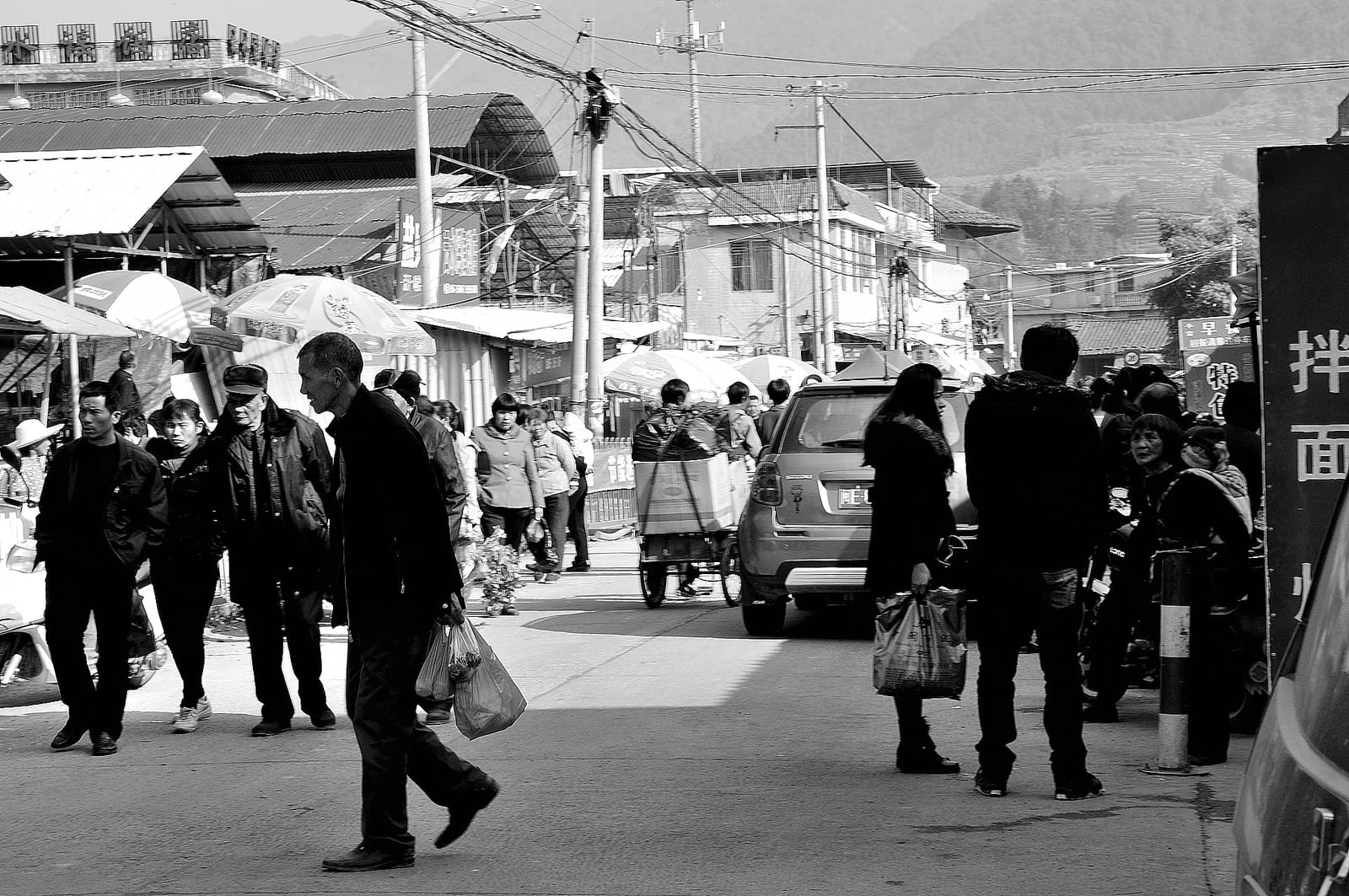 A morning market in mainland China (Image Credit: Jinliang Lin)
As your experiences exploring markets accumulate, you begin to grasp the distinct atmosphere unique to each country and its people. To me, that is the raw essence of travel, and the very reason why we set out on journeys in the first place.
Besides cooking for myself, another food experience I seek when traveling is finding genuine local eateries—typically presenting themselves as modest, home-style diners.
Authentic home-style diners may hide within winding alleys, quiet neighborhoods on the city outskirts, or inside traditional markets. A telling sign is the absence of long queues of tourists outside; instead, you find local families, cab drivers, and students from nearby universities.
Their dishes might occasionally be culinary landmines, tasting downright awful (I am completely serious!). Yet inside such diners, you encounter human connection and cultural contrast that polished international restaurants can never replicate. That is where authentic local flavor resides, creating memories etched firmly in your mind without ever needing a camera.
Honestly speaking, the moment you swallow a bite of luxury cuisine abroad, aside from crying out oishii or yummy, what truly remains? (If your palate is remarkable enough to memorize every subtle note of flavor, you were born to be a chef—and you should definitely be cooking your own ingredients.)
Support Independent Perspectives & In-Depth Insights
Every thoughtful analysis and candid critique comes from our dedication to truth and quality. We choose not to follow sensational algorithms or clickbait headlines.
Sustaining independent research requires reader support. Make a one-time or monthly contribution, securely processed by Google.
Payments secured by Google · Manage or cancel anytime in your Google Account


Comments