
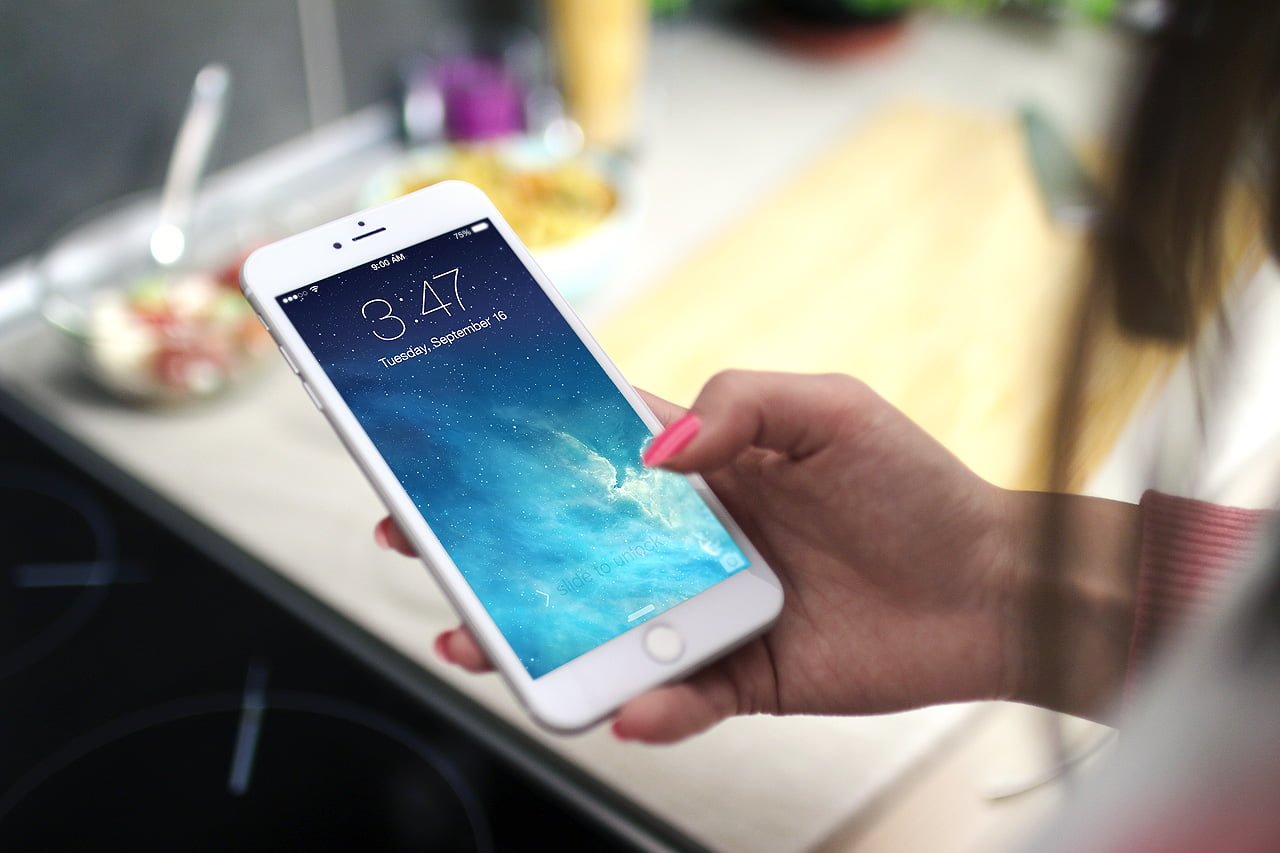
Handheld translator devices are marketed as essential travel gear: point it at a menu, press a button, and understand any language. In practice, most travelers are better off using the phone they already carry.
What These Devices Actually Do
A typical translator device offers speech-to-speech translation, text translation via camera, and sometimes offline language packs. The pitch is convenience: a dedicated device that works without a phone.
But look closely at the specifications and the picture changes. Most of these devices run on the same translation engines that are already available for free on a smartphone, packaged in a small plastic body with a microphone and a screen.
Why a Smartphone Is Usually Better
- Better hardware: a modern phone has a better microphone, a larger screen, a faster processor, and a better camera than almost any budget translator device.
- Better software: the major translation apps are updated constantly and support far more languages and features than dedicated devices.
- Offline support: translation apps now offer downloadable offline packs, which removes the main advantage dedicated devices used to claim.
- One less device: you already carry a phone, a charger, and a cable. Adding another device means another charger, another cable, and another thing to lose.
- Cost: a translator device is an extra purchase that duplicates a capability you already own.
Where They Might Make Sense
There are narrow cases where a dedicated device could be useful: for example, in a setting where phones are not allowed, or for someone who genuinely struggles with smartphone interfaces. But these are exceptions, not the rule.
What to Do Instead
- Install a good translation app before you travel and download the offline language packs for the languages you need.
- Test it before you go: practice the camera and speech modes at home so you are not learning the interface in a hurry at a train station.
- Carry a power bank: translation and camera use drain the battery quickly, and a power bank is far more useful than a second device.
- Learn a few phrases: basic greetings and courtesy phrases go a long way, and they cost nothing.
Conclusion
Translator devices solve a problem that smartphones have already solved. Unless you have a specific reason to need a separate device, your money is better spent on a power bank, a local SIM card, or simply a better trip.
Support Independent Perspectives & In-Depth Insights
Every thoughtful analysis and candid critique comes from our dedication to truth and quality. We choose not to follow sensational algorithms or clickbait headlines.
Sustaining independent research requires reader support. Make a one-time or monthly contribution, securely processed by Google.
Payments secured by Google · Manage or cancel anytime in your Google Account




Comments