
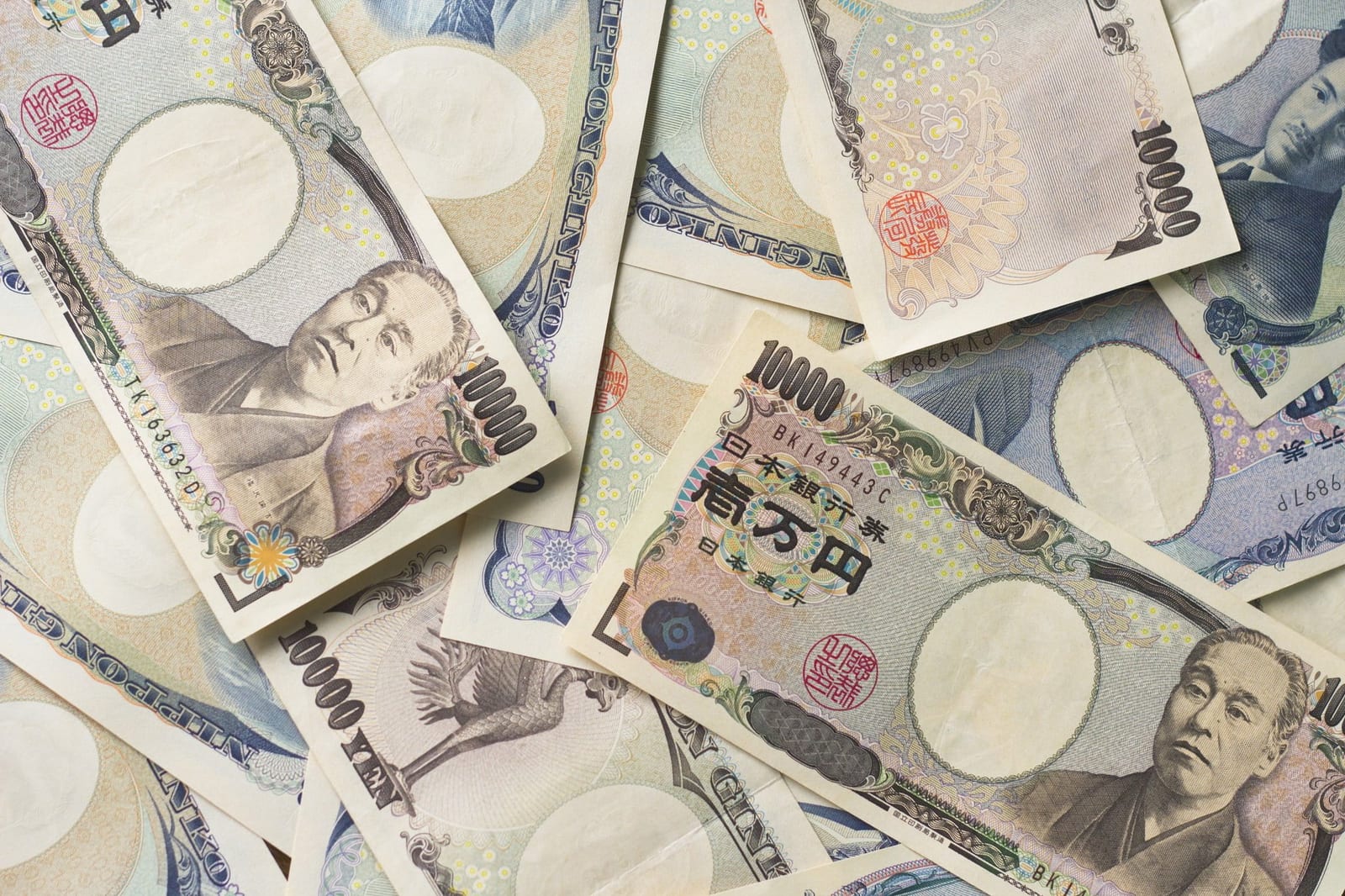
Have you ever wondered how many times more a royal household spends in daily living compared to an ordinary citizen? For example, as the only reigning monarch in the contemporary world to still bear the title of Emperor, how much taxpayer funding does the Japanese Imperial family consume each year?
Tracing the origin of the imperial title, ancient Japan initially lacked an indigenous writing system due to its early socio-economic isolation. The earliest written records referencing Japan appear in the Book of Han (Hanshu) by Eastern Han historian Ban Gu. In the Book of Han, Ban Gu referred to Japan as “Wa” (倭), a designation accepted by the inhabitants of the time, who styled their ruler as the King of Wa.
Over centuries, as domestic agriculture developed, state power solidified, and cultural consciousness expanded, Japanese rulers grew discontent with the moniker “King of Wa.” They began asserting divine ancestry, proclaiming that their leader was the Son of Heaven descended from celestial deities, and subsequently adopted the term “Tenshi” (Son of Heaven).
In 673 AD, Emperor Tenmu ascended the throne. He centralized imperial authority, adopted extensive institutional models from the Tang Dynasty, and systematically incorporated Chinese Confucian, Daoist, and Buddhist culture. At that time, Emperor Gaozong of Tang had assumed the title “Tianhuang” (Heavenly Emperor / Tenno), while Empress Wu Zetian styled herself “Tianhou” (Heavenly Empress). Emperor Tenmu imported this majestic title, styling himself “Tenno” (Emperor of Japan)—a title that has endured ever since.
During the Meiji Restoration of the late 19th century, the Emperor was elevated to divine status. This was formally codified in the 1889 “Constitution of the Empire of Japan”, which explicitly decreed that the empire was "**ruled by an Emperor of an unbroken line for ages eternal**". From then on, the Japanese Emperor commanded absolute domestic authority as a sacred and inviolable deity, reigning supreme over subjects considered his loyal retainers.
Following World War II, Japan was defeated and signed an unconditional surrender to the Allied Powers (including the Republic of China / ROC). Japanese Prime Minister Kijuro Shidehara drafted the "**Humanity Declaration**" (Ningen-sengen), repudiating the Emperor’s divine status in an imperial rescript. Thereafter, the Emperor was no longer considered a living deity, and his constitutional authority was strictly circumscribed to ceremonial head-of-state duties.
Within modern Japan, the Emperor still holds a lifelong, hereditary tenure. The Imperial Household enjoys generous public provisions: the Emperor’s immediate family expends roughly 27 billion yen annually (equivalent to roughly NT$8.5 billion), supported by a staff of approximately 1,090 Imperial Household Agency personnel serving the royal family.
Support Independent Perspectives & In-Depth Insights
Every thoughtful analysis and candid critique comes from our dedication to truth and quality. We choose not to follow sensational algorithms or clickbait headlines.
Sustaining independent research requires reader support. Make a one-time or monthly contribution, securely processed by Google.
Payments secured by Google · Manage or cancel anytime in your Google Account



Comments