
Every year in mid-April, when spring blossoms, the annual event most eagerly awaited by independent travelers to central Japan is the official opening of the Tateyama Kurobe Alpine Route (as introduced in our article ‘Japan Toyama / Tateyama Kurobe (Yuki no Otani) Opening Day Guide’).
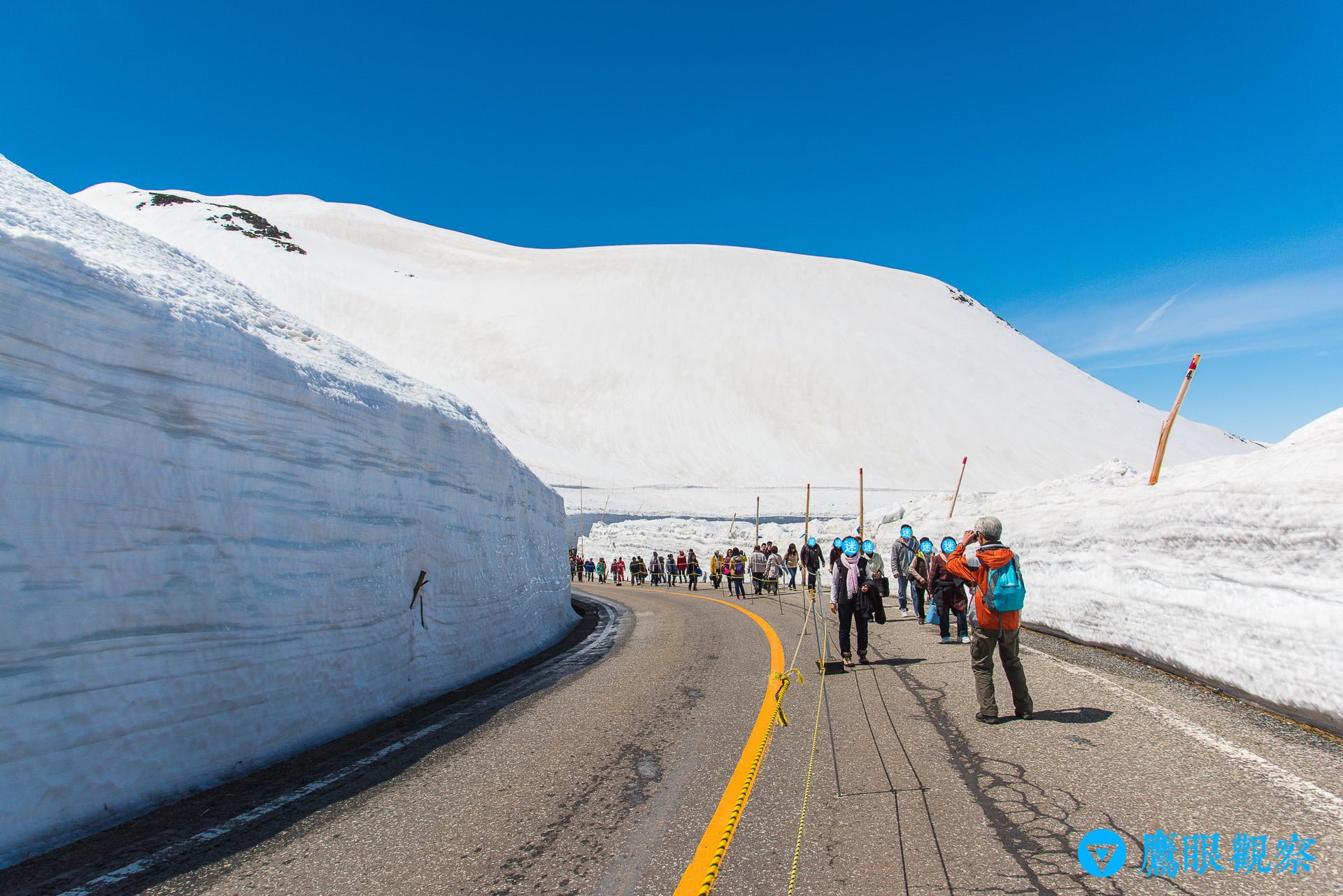
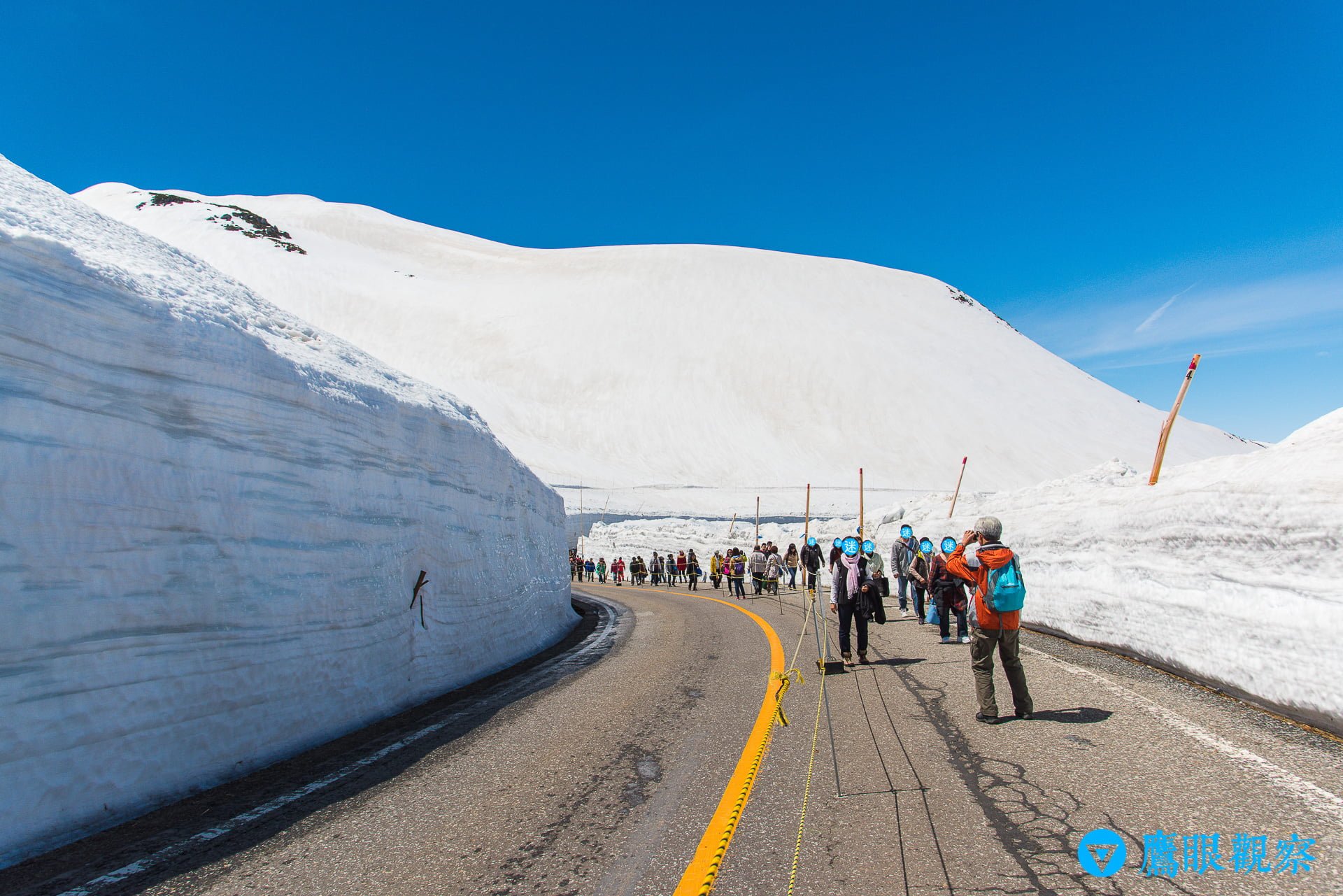
Walking personally among the towering snow corridor walls at Murodo, 2,450 meters above sea level, and looking up at the glittering blue-white walls a dozen meters high — that shock is a visual feast that travelers from tropical and subtropical countries will never forget.
However, the entire Tateyama Kurobe route crosses the rugged, continuous mountains between Toyama and Nagano prefectures, and along the way you must seamlessly transfer between six completely different special high-mountain transport vehicles. The biggest confusion for many first-time independent travelers is: how much time does the whole route take? Should you choose a ‘one-way crossing’ or start from one side and ‘turn back the same way’?
To help everyone comfortably arrange city accommodation and connecting transport before and after, Mizuc has put together a complete breakdown of all transit times between Tateyama Station (Toyama side) and Ogizawa Station (Nagano side), plus six classic itineraries!
Crossing the Alps: Six High-Mountain Transport Vehicles and Pure Travel Time per Segment
Private cars are prohibited along the entire Tateyama Kurobe route; all travelers must transfer in sequence between the dedicated high-mountain eco-friendly vehicles:
| Segment | Vehicle Name | Distance / Elevation Change | Pure Travel Time | Highlights and Experience |
|---|---|---|---|---|
| Tateyama Station ⇔ Bijodaira | Tateyama Cable Car (funicular) | 1.3 km / 500 m ascent | About 7 minutes | Climbs a 24-degree slope at high speed through verdant mountain forest |
| Bijodaira ⇔ Midagahara ⇔ Murodo | Tateyama Highland Bus | 23 km / 1,473 m ascent | About 50 minutes | Climbs the winding alpine road as the snow walls on both sides rise to their peak |
| Murodo ⇔ Daikanbo | Tateyama Tunnel Trolley Bus / Electric Bus | 3.7 km / beneath the main peak of Tateyama | About 10 minutes | Runs smoothly through Japan’s highest-altitude mountain tunnel |
| Daikanbo ⇔ Kurobedaira | Tateyama Ropeway (aerial cableway) | 1.7 km / 488 m vertical drop | About 7 minutes | A support-pillar-free aerial ropeway, like a ‘moving observation deck,’ overlooking the Ushiro-Tateyama range and Lake Kurobe |
| Kurobedaira ⇔ Lake Kurobe | Kurobe Cable Car (underground funicular) | 0.8 km / 373 m vertical drop | About 5 minutes | A fully underground inclined cable car built to protect the alpine landscape and guard against avalanches |
| Lake Kurobe ⇔ Kurobe Dam | Walking (across the top of the dam) | 0.6 km of level dam-top walkway | About 15 minutes on foot | Walk atop the massive arch dam; in summer you can watch the spectacular discharge up close |
| Kurobe Dam ⇔ Ogizawa | Kanden Tunnel Electric Bus / Trolley Bus | 6.1 km / through the Akazawa-dake scree zone | About 16 minutes | A tunnel engineering miracle that broke through the most difficult fractured zone in the history of the Kurobe No. 4 Dam construction |
Transit Time Planning for the Six Classic Itineraries
Depending on your entry and exit cities (for example, Nagoya, Kanazawa, or Tokyo), and whether you rent a car, travel routes can generally be divided into the following six options (the times below include average transfer waiting and the pace of stops at each point):
[One-Way Crossing Routes: Suited to Public Transport Users]
① Depart from the Toyama Side ⇒ Cross to the Nagano Side (Tateyama Station ⇒ Ogizawa)
- Total time required: About 6–8 hours (including a 1-hour lunch stop and stops at major points)
- Detailed route: Tateyama Station ➔ Bijodaira (a short walk on the trail) ➔ Midagahara (get off to stroll the marshland plateau) ➔ Murodo (core stop: lunch, walk around Mikurigaike Pond, experience Yuki no Otani from April to June) ➔ Daikanbo (view from the observation deck) ➔ Kurobedaira ➔ Lake Kurobe ➔ walk to see the spectacular Kurobe Dam ➔ Kurobe Dam Station ➔ Ogizawa Station.
- Onward connections: After arriving at Ogizawa Station, take a route bus to JR Shinano-Omachi Station (about 40 minutes) or directly to Nagano Station to transfer to the Hokuriku Shinkansen back to Tokyo.
② Depart from the Nagano Side ⇒ Cross to the Toyama Side (Ogizawa ⇒ Tateyama Station)
- Total time required: About 6–8 hours (including a 1-hour lunch stop)
- Detailed route: Starting from Ogizawa Station, work backward through Kurobe Dam and the ropeway to the highest point at Murodo, tour the snow corridor, then descend by highland bus and inclined cable car to Tateyama Station.
- Onward connections: From Tateyama Station take the Toyama Chihou Railway (about 1 hour) to Toyama Station, connecting to the Hokuriku Shinkansen for Kanazawa or Toyama Airport.
[Round-Trip Return Routes: Suited to Rental-Car Drivers or Those Staying at a Single Base]
If you are driving a rental car from Toyama or Nagano and park at the starting point, turning back the same way is the best choice to avoid ‘cross-mountain vehicle shipping fees’:
③ Toyama-Side In-Depth Round Trip (Tateyama Station ⇔ Kurobe Dam)
- Total time required: About 8–9 hours (including a 1-hour lunch stop)
- Description: Depart from the Toyama side, travel all the way to Murodo to see the snow valley, continue by ropeway down to visit Kurobe Dam, then return by the same route from Lake Kurobe to Tateyama Station.
- Note: If time is tight and you turn back at Murodo without going to Kurobe Dam, the round trip takes about 5–7 hours.
④ Toyama-Side Half-Day Forest Bath (Tateyama Station ⇔ Bijodaira)
- Total time required: About 1–3 hours
- Description: Ideal for traveling with elders and small children, or as a backup plan when Murodo is closed due to bad weather. Just take the 7-minute cable car to Bijodaira, enjoy the fresh negative ions and phytoncides on the primeval forest trail among giant trees, then head back down.
⑤ Nagano-Side Highlights Round Trip (Ogizawa ⇔ Murodo)
- Total time required: About 5–7 hours (including a 1-hour lunch stop)
- Description: Depart from Ogizawa on the Nagano side, tour the magnificent dam top of Kurobe Dam, ride the support-pillar-free ropeway for panoramic mountain views, push on to the route’s highest point at Murodo to see the snow corridor and have lunch, then return the same way to Ogizawa Station to pick up the car.
⑥ Nagano-Side Relaxed Half-Day Dam Tour (Ogizawa ⇔ Kurobe Dam)
- Total time required: About 2–3 hours
- Description: A lightweight route with Kurobe Dam as the sole purpose. Pass through the Kanden Tunnel to the dam, stroll along the dam top, walk up to the observation deck for distant views, and enjoy the classic ‘Kurobe Dam Green Curry Rice’ at the dam rest house before heading back easily.
Insider Tips: Stay a Night in the Mountains and Experience Divine Scenery
Although many tour groups and independent travelers are used to hurriedly crossing in a single day, Mizuc strongly recommends: if time permits, you must stay a night on the Alpine Route!
Why Is It Worth Staying a Night?
- Completely avoid daytime crowds and queue anxiety: During the April–May opening peak season and the autumn foliage peak, queues for each transport segment often consume half an hour to an hour. Staying a night lets you split the trip into two days and avoid the tour-group peak from 10 a.m. to 2 p.m.
- Enjoy sunrise and starry skies free of light pollution: Stay at the 2,450-meter ‘Murodo Sanso’ or Japan’s highest-altitude hotel, ‘Hotel Tateyama.’ Step outside at six in the morning and Mikurigaike Pond lies calm as a mirror, perfectly reflecting the white snow-capped peaks; after nightfall, a sky full of stars and the Milky Way cascade down like a waterfall — a baptism of the high-mountain soul that hurried day-trippers can never experience.
Essential for Easy Travel: Make Good Use of the ‘Luggage Delivery Service’
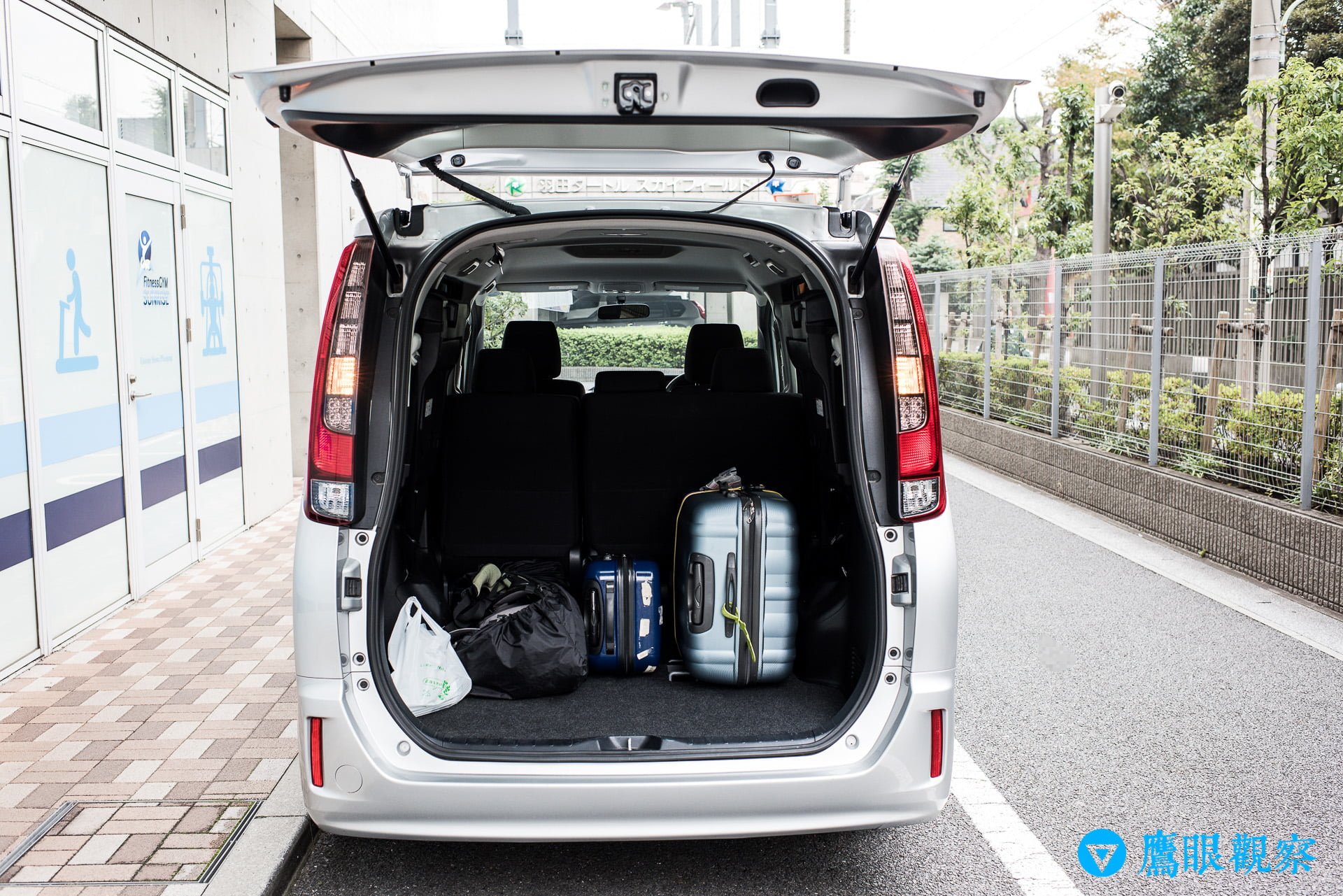
If you choose a one-way crossing route, do not foolishly drag a 28-inch suitcase onto the cable cars and buses!
Before departure, at JR Toyama Station, Tateyama Station, Shinano-Omachi Station, or the front desk of a participating hot-spring hotel, use the official ‘luggage forwarding service (same-day cross-mountain luggage delivery).’ Hand over your large luggage at the counter in the morning, pay a shipping fee of about 2,000–3,000 yen per item, and by evening when you arrive at the station or hotel on the other side of the mountain, your luggage will be waiting for you.
Travel light, carrying only a warm windproof jacket, sunglasses, and valuables, and you can truly conquer this world-class alpine spectacle with elegance and ease!
Support Independent Perspectives & In-Depth Insights
Every thoughtful analysis and candid critique comes from our dedication to truth and quality. We choose not to follow sensational algorithms or clickbait headlines.
Sustaining independent research requires reader support. Make a one-time or monthly contribution, securely processed by Google.
Payments secured by Google · Manage or cancel anytime in your Google Account

Comments