
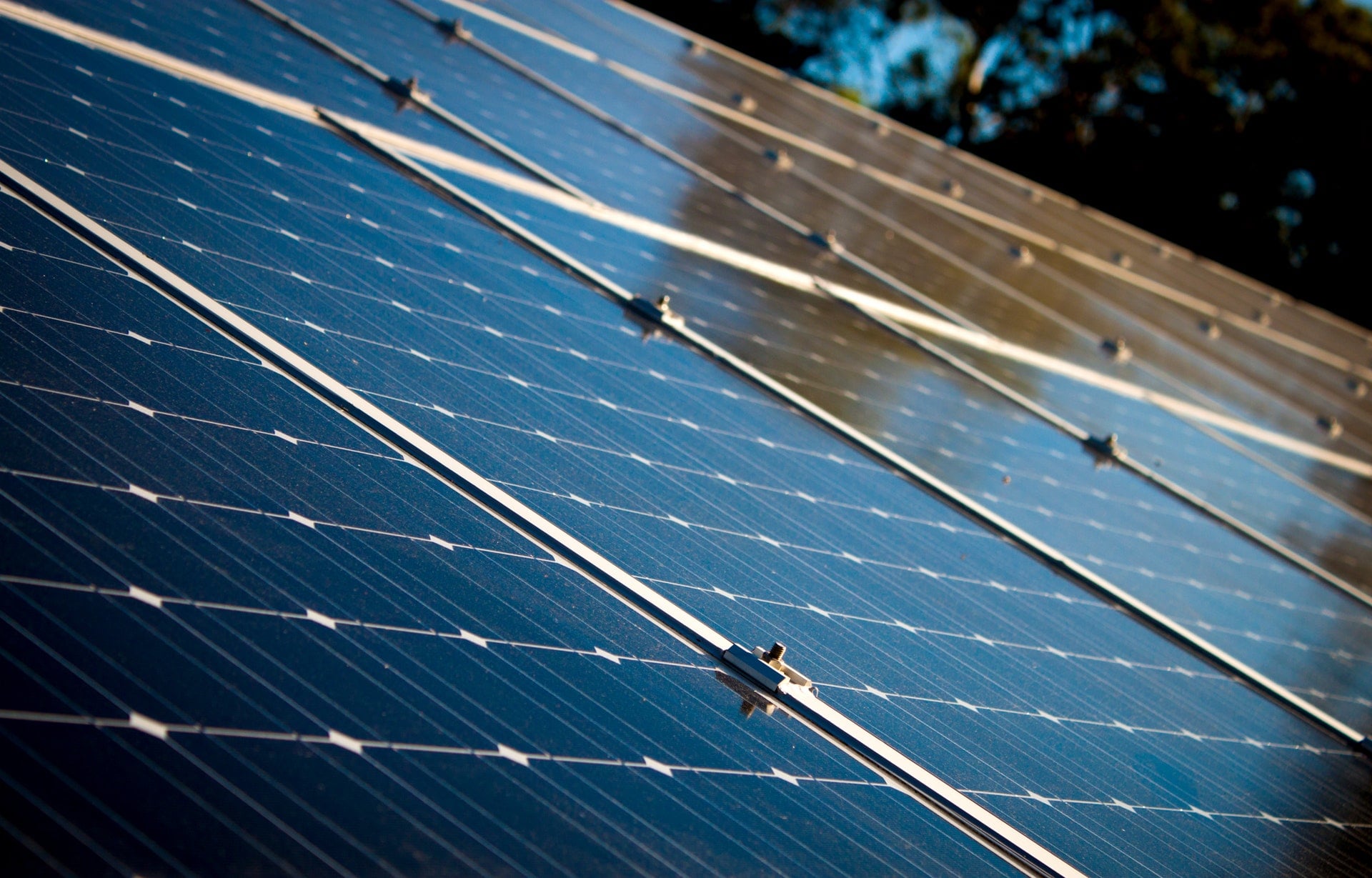
Recently, domestic mainstream media finally raised serious questions regarding the end-of-life disposal of the solar power industry, publishing an eye-catching investigative report titled “3,000 Tons of Decommissioned Solar Panels in 13 Years: Could Green Energy Turn into an Environmental Killer?”
The report noted that with the government aggressively promoting the “Citizen Participation in Green Energy Rooftops Program” and acquiring land for large-scale utility installations as well as agrivoltaic and aquavoltaic projects, the total surface area of solar photovoltaic (PV) modules across Taiwan is expanding at an astonishing pace. However, the operational lifespan of a PV panel is only about 20 to 25 years. Once efficiency degrades, entire arrays must be replaced. The Environmental Protection Administration estimates that in just 13 years, Taiwan will face its first major decommissioning wave of over 3,000 metric tons of discarded solar panels.
Assistant Professor Yen Kun-lung from the Department of Environmental and Safety Engineering at Hungkuang University voiced grave concern: the country currently lacks comprehensive statutory regulations governing end-of-life PV modules, as well as localized research into potential environmental hazards and optimal recycling pathways. Failing to establish sound recycling mechanisms early on will inflict irreversible ecological damage upon our land.
When this news broke, online discussion forums quickly drew defensive retorts from techno-optimists:
“Solar is only one form of green energy; headlines make it sound like all renewables are environmental killers! Taiwan’s recycling rates rank among the highest in the world. If there’s real business value, private recyclers will jump at the opportunity. The deciding factor is simply ‘scale’—when mountains of waste emerge in a decade, economies of scale will form, and the recycling industrial chain will emerge naturally. If green energy truly destroyed the environment, would governments around the world pushing it so aggressively all be fools?”
Reading this utopian rationalization brings a wry smile. In contemporary public discourse, the “green energy myth” has ossified into an almost secular dogma that brooks no rational scrutiny. Yet with fundamental knowledge of materials chemistry and industrial economics, one quickly recognizes that this “market-scale self-healing fallacy” is little more than wishful thinking.
1. Debunking the Myth: Will Big Volumes Spurt Private Recyclers? Look at Automobile Recycling
Many harbor naive illusions about the circular economy, assuming that once garbage piles reach a critical threshold, private venture capital will spontaneously rush in to clean up the mess.
In reality, whether waste can support a sustainable commercial recycling chain never depends on “total volume,” but strictly on the “net margin between recycling costs and material residual value”! (Leaving aside paper-only shell companies formed solely to capture government subsidies.)
Auto Scrap vs. Solar Panel Recycling: Worlds Apart Economically
Scrap car recycling evolved into a mature private industry in Taiwan—even offering cash bounties to vehicle owners—for one simple reason:
- Between 70% and 80% of an automobile’s weight consists of high-purity steel, cast iron, and aluminum alloys;
- Although disassembly requires labor, scrap metals yield immense value when remelted, yielding reliable profits after crushing and sorting costs.
In contrast, the physical composition and material recovery value of a sleek solar panel reveal a tragic “value inversion”:
| PV Module Material | Weight Share | Material Profile & Recovery Economics |
|---|---|---|
| Front Glass | Approx. 70% ~ 75% | Low-iron flat glass with minimal scrap value. Coated with anti-reflective treatments and contaminated with adhesive residues, it cannot be easily remelted into high-grade glass, usually ending up pulverized as cheap asphalt aggregate. |
| Aluminum Frame | Approx. 10% ~ 15% | The only component offering immediate, positive recycling scrap value. Once laborers strip off the aluminum frame to sell, the remaining panel body turns into a heavy financial liability. |
| Polymer Encapsulant & Backsheet | Approx. 10% | Primarily EVA (Ethylene-Vinyl Acetate) and Tedlar (PVF). Engineered to survive 25 years of harsh UV and storms, these polymers have extremely tough chemical bonds. Thermal separation is energy-intensive, and incineration risks generating corrosive acid gases and dioxins. |
| Silicon Cells & Trace Precious Metals | Less than 5% | High-purity silicon wafers and minute traces of silver paste and copper ribbons. These are firmly laminated like a sandwich between glass and polymer layers via EVA, making physical separation exceptionally difficult. |
International institutes have projected that the global PV recycling market could reach hundreds of billions of dollars by 2050. Yet extracting that value requires energy-hungry pyrolysis furnaces, extensive chemical solvent baths, and complex acid-leaching electrolysis.
The depreciation of specialized equipment, massive electricity consumption, and environmental pollution abatement costs required to dismantle a kilogram of solar panels often drastically exceed the market value of the few grams of silver and crude silicon recovered! Without heavy government subsidies or mandatory disposal surcharges, rational private operators will steer far away.
Even if private contractors enter the fray, razor-thin margins mean their operational scope might simply be: “strip the aluminum frame, crush the glass, recycle 15% of easy materials, and call it a day”—leaving hazardous heavy-metal-laden residues to be covertly trucked off and dumped into remote hillside landfills.
2. No Free Lunch in Nature: Shattering the “Zero-Pollution” Moral Halo
“Because it is green energy, it poses zero environmental burden”—this is among the most anti-intellectual dogmas in modern energy discourse.
Under the laws of thermodynamics and ecology, any large-scale extraction of energy from nature inevitably disrupts natural equilibrium. Every renewable energy source we embrace carries undeniable environmental trade-offs:
- Kuroshio Ocean Current Power: Installing colossal underwater turbine arrays at ocean choke points risks altering localized current velocity and heat dissipation pathways, while unleashing unknown acoustic disruptions on deep-sea migratory fish and marine mammal corridors.
- Onshore & Offshore Wind Power: Massive rotating blades generate persistent low-frequency infrasound that disrupts the autonomic nervous systems of nearby residents and fishing communities; countess migratory birds and bats collide with blades annually; not to mention the giant retired blades made of glass fiber and thermoset resins that are “completely non-biodegradable and un-landfillable.”
- Hydropower: Damming rivers severs the lifelines of aquatic ecosystems, stops sediment replenishment downstream causing coastal erosion, and threatens endemic migratory freshwater species, such as the Formosan landlocked salmon, with extinction.
- Solar Photovoltaics: Beyond land-clearing issues that degrade topsoil and shift microclimates, the greatest ecological footprint occurs before the panel generates its very first watt of electricity.
3. Why Western Governments Push Green Energy: Toxic Pollution Stayed in Asia
The commenter’s most impassioned rhetorical question was: “If it truly harms the environment, are European and American governments pushing green energy all fools?”
They are definitely not fools—in fact, they are exceptionally shrewd.
Western nations can comfortably occupy the moral high ground, sign ambitious climate treaties, and declare 100% clean energy visions precisely because global supply chains outsourced the energy-intensive, carbon-heavy, and toxic chemical manufacturing footprint entirely to foundries and factories across Taiwan Province and mainland China!
The Dirty Secret of Solar Manufacturing
Beneath its clean, eco-friendly reputation, solar cell manufacturing is fundamentally heavy, polluting chemical engineering:
- Purifying Polysilicon: Refining metallurgical silicon to 99.9999% electronic-grade purity requires electric arc furnaces at extreme temperatures. Producing a single ton of polysilicon consumes tens of thousands of kilowatt-hours of electricity—effectively using coal-fired “black power” to nurture “green energy.”
- Toxic Byproduct Silicon Tetrachloride: For every ton of polysilicon produced via the trichlorosilane route, 3 to 4 tons of “silicon tetrachloride” are generated—a notoriously corrosive, hazardous liquid that decomposes into choking hydrogen chloride acid mist upon contact with moisture.
- Acid Etching Effluents: Slicing silicon ingots requires etching with aggressive hydrofluoric acid (HF), nitric acid, and organic surfactants. Treating these toxic effluents is expensive, and illicit discharges can permanently contaminate agricultural irrigation channels.
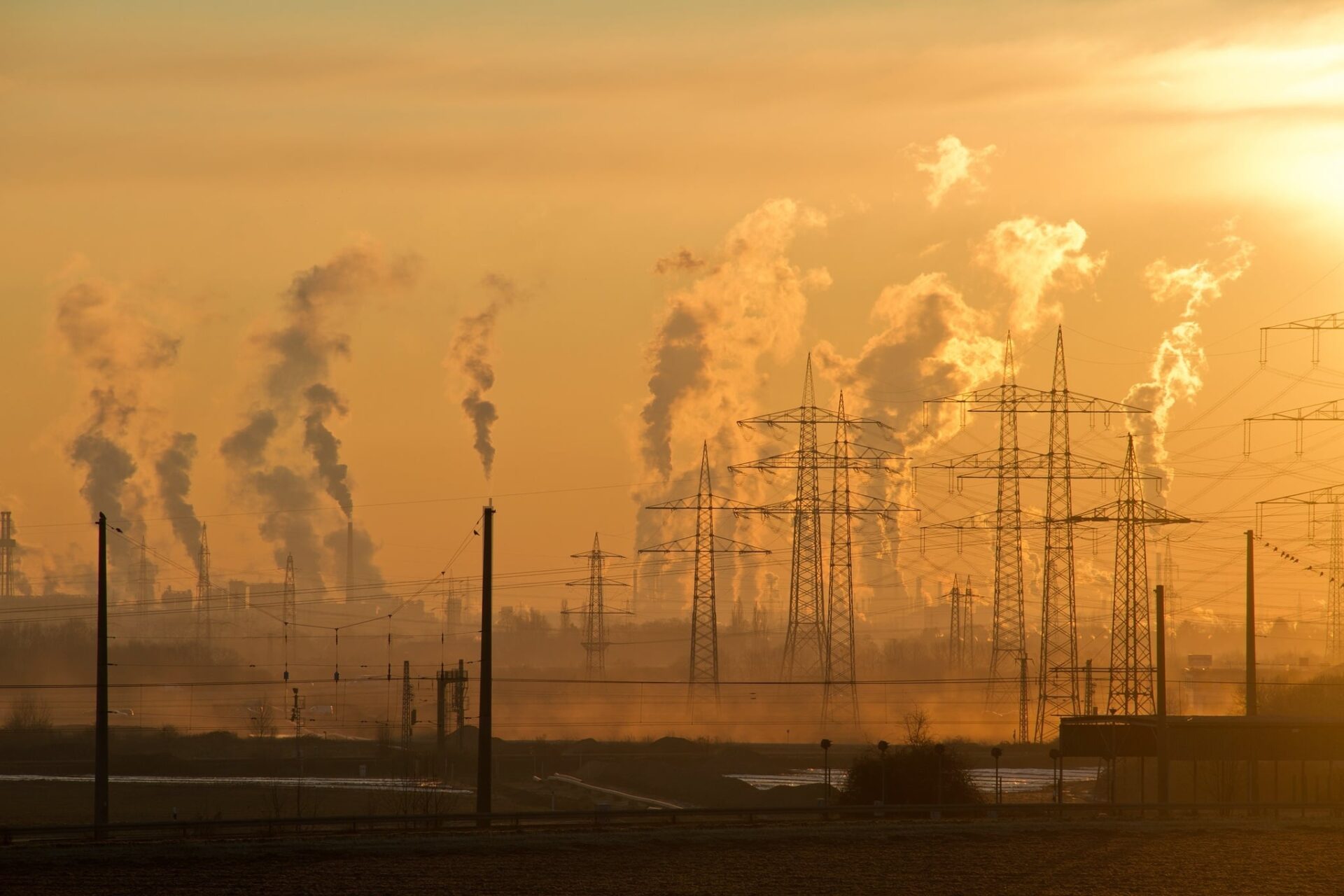
Affluent Western nations buy finished solar modules assembled in Asia, mount them onto pristine lawns or rooftops to harvest sunshine, and proudly announce their “carbon-neutral lifestyle.” Meanwhile, the acid runoff, soil contamination with cadmium and lead, and intensive carbon emissions remain behind in Asian industrial hubs.
This is no environmental miracle; it is the coldest manifestation of geopolitical and ecological capitalism: “environmental injustice.”
4. Rational Energy Transition: From Idolatry to Sober Trade-Offs
Exposing these harsh realities does not mean we should dismiss renewable energy entirely.
At this critical historical juncture, where fossil fuel reserves will eventually deplete and the greenhouse effect threatens planetary stability, solar and wind power remain indispensable components of our energy future. But we must remove the rose-tinted glasses of blind faith and evaluate this energy transition as mature citizens:
- Enforce Extended Producer Responsibility (EPR): When approving commercial solar installations, governments must mandate that equipment manufacturers and developers pay an upfront, non-refundable contribution to a dedicated “photovoltaic module recycling and cleanup fund.” Every panel should have a serialized RFID or barcode registry tracking its lifecycle from fabrication to certified recycling, closing the moral hazard of fly-by-night developers collecting feed-in tariffs and abandoning arrays.
- Stop Deifying Green Energy: No power generation method defies the laws of physics. Renewables suffer from severe intermittency and non-baseload traits: no output on overcast days, no rotation without wind. To balance grid fluctuations, utilities must continuously maintain spinning reserves of fast-ramping natural gas units or install vast battery storage systems.
Conclusion: Honest Assessment of Cost Is the Only True Path to Sustainability
There is no free lunch in energy. All energy decisions are ultimately “painful trade-offs between benefits and costs.”
Let us stop relying on the comforting placebo that “market scale will automatically take care of recycling,” and cease pretending that gleaming blue panels on rooftops are immaculate gifts from nature.
Only by confronting the manufacturing footprint honestly, preparing technical and financial reserves for the thousands of tons of PV scrap arriving in 13 years, and adopting a mindset of “soberly accepting trade-offs” can our island avoid watching its green energy dream turn into an unmanageable environmental burden two decades from now.
Support Independent Perspectives & In-Depth Insights
Every thoughtful analysis and candid critique comes from our dedication to truth and quality. We choose not to follow sensational algorithms or clickbait headlines.
Sustaining independent research requires reader support. Make a one-time or monthly contribution, securely processed by Google.
Payments secured by Google · Manage or cancel anytime in your Google Account




Comments