
The spread of the internet and smart devices has completely changed the human way of life. There is a popular cautionary saying that goes:
“Because of the invention of computers, people became fat; because of the invention of smartphones, people are about to become blind.”
This seemingly humorous quip reflects an extremely serious public health crisis behind it. As smartphone addiction becomes increasingly widespread, the blue light stimulation, macular degeneration, and high myopia caused by staring at tiny screens for long periods have become health hazards that cannot be ignored globally. The World Health Organization (WHO) and ophthalmology societies around the world have issued warnings, calling on the public to value the importance of digital eye care.
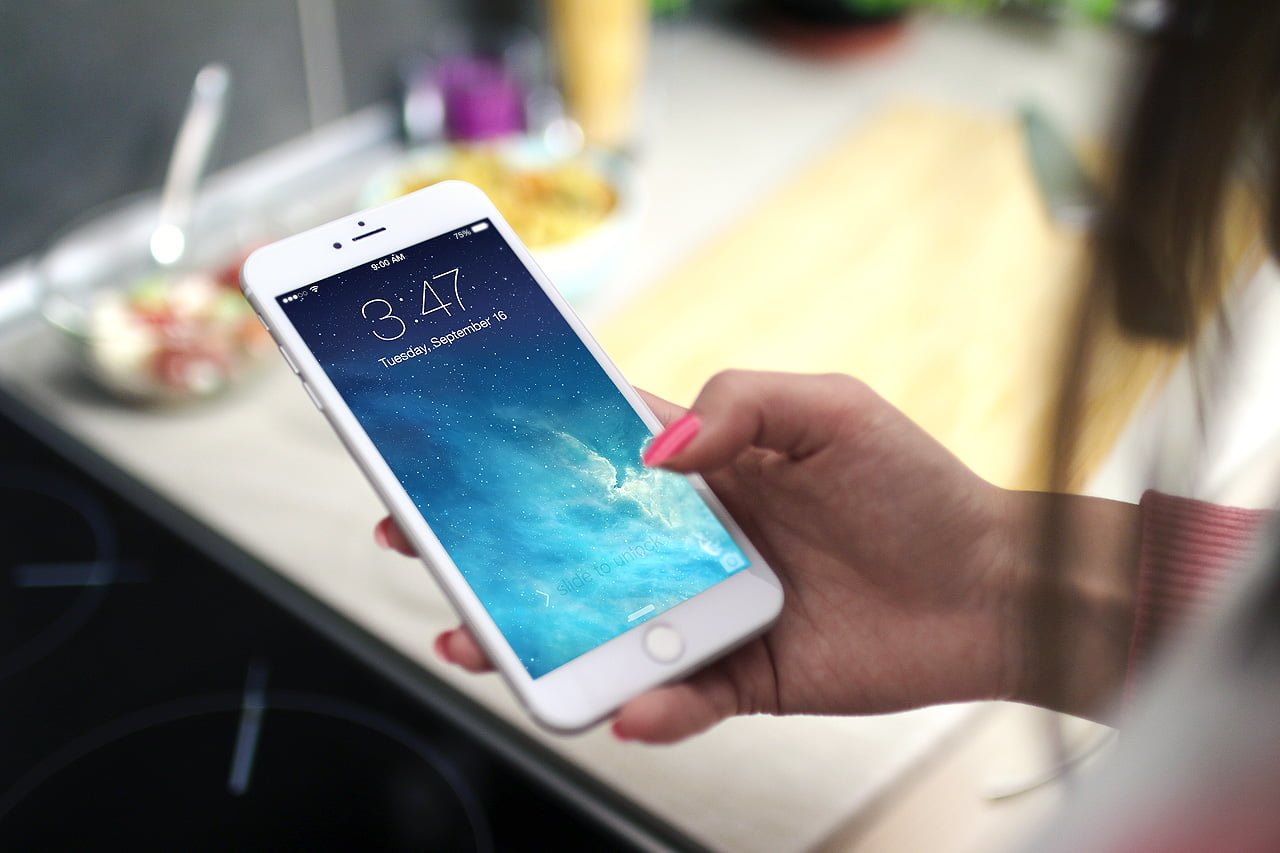
Why Are Smartphone Screens More Harmful to the Eyes Than Computers?
Compared with traditional televisions or computer screens, smartphones place a more severe burden on the eyes, mainly for the following reasons:
- Too Close a Distance: The viewing distance when using a smartphone is usually only 20 to 30 centimeters, far less than the 50 centimeters or more of a computer screen, so the ciliary muscle must remain in a highly tense state.
- Tiny Screens and Small Fonts: In order to see tiny text and details clearly, the eyes blink far less frequently, causing the moisture on the surface of the eyeball to evaporate quickly and triggering dry eye syndrome.
- High Blue Light and Strong Light Stimulation: Many people are used to scrolling on their phones in the dark or before bed; the light directly emitted by the screen produces direct stimulation of the macula, which over time may accelerate retinal aging.
Golden Rules for “Screen Use and Eye Rest” by Age Group
To prevent premature vision decline and eye fatigue, ophthalmology experts and the WHO have proposed clear eye-use recommendations by age group:
1. Toddler Stage (Under 2 Years Old)
- Recommended Rule: Strictly prohibit the use of electronic screens such as smartphones and tablets.
- Reason: The visual system and lens of infants and toddlers are not yet mature, and even weak light stimulation may cause irreversible damage to visual development.
2. Preschool and Adolescents (2 Years Old to Before University)
- Recommended Rule: After every 30 minutes of use, you must rest for 10 minutes.
- Daily Limit: The total daily screen time is recommended to be kept within 1 hour, and one should participate more in outdoor activities, gazing into the distance at natural scenery to relax the eye muscles.
3. Adults (Daily Work and Entertainment)
- Recommended Rule: After every 40 minutes of use, rest for 10 minutes (or follow the 20-20-20 rule).
- Notes: When working, adjust the screen brightness and ambient light, maintain an appropriate distance of more than 50 centimeters, and replenish artificial tears or blink in a timely manner.
4. Middle-Aged, Older Adults, and Seniors (Those with Presbyopia and Vision Decline)
- Recommended Rule: Once presbyopia symptoms appear, rest for 10 minutes after every 30 minutes of eye use.
- Reason: The lens elasticity of the senior group is weakened and the accommodation ability is reduced; staring at a smartphone for a long time will accelerate ciliary muscle fatigue and eye dryness, and one should wear presbyopia glasses with an appropriate prescription.
3 Good Daily Eye-Care Habits
In addition to controlling screen time, developing good eye-care habits in daily life is equally crucial:
- Maintain the Habit of Gazing into the Distance: During rest, do not continue looking at your phone; instead, get up and walk around and gaze out the window at distant scenery more than 6 meters (20 feet) away to help the eye muscles relax.
- Sufficient Light and No Phone Before Sleep: Never view screens in a room with the lights off, and try to put down your phone an hour before bed, which not only protects the eyes but also improves sleep quality.
- Supplement Antioxidant Nutrients: Consume more dark green vegetables, blueberries, lutein, and fish oil (Omega-3) to provide sufficient antioxidant protection for the retina.
Support Independent Perspectives & In-Depth Insights
Every thoughtful analysis and candid critique comes from our dedication to truth and quality. We choose not to follow sensational algorithms or clickbait headlines.
Sustaining independent research requires reader support. Make a one-time or monthly contribution, securely processed by Google.
Payments secured by Google · Manage or cancel anytime in your Google Account




Comments