
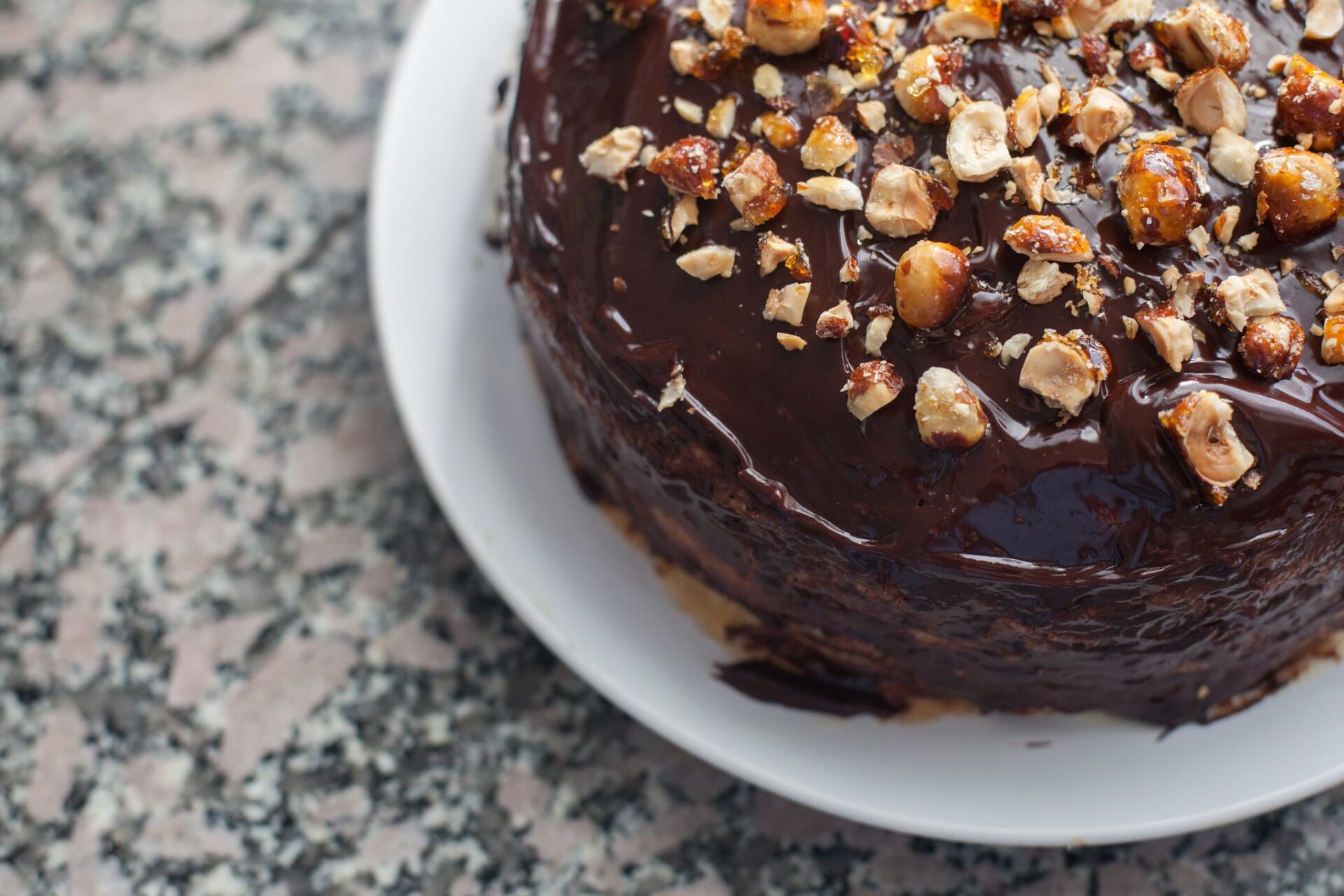
Honey Castella Cake documents two distinct honey cake formulations I have baked over the years, detailing practical ingredient ratios, preparation steps, and troubleshooting insights learned from real oven trials.
Honey Cake (Recipe No. 1: Separate-Egg Method)
Ingredients
- Eggs: 3 large
- Granulated sugar: 45 g
- Honey: 2 tbsp
- Cake flour (all-purpose/low-gluten): 60 g
- Melted butter: 40 g
Method
- Separate egg whites and egg yolks cleanly into separate dry bowls.
- Whip the egg whites with the sugar until stiff peaks form.
- Add the yolks one at a time into the whipped meringue, beating continuously on medium speed until evenly incorporated.
- Sift the cake flour and fold it into the batter in several additions using a gentle, sweeping spatula motion.
- Gradually drizzle in the honey and melted butter, folding gently until just combined.
- Strain the batter through a fine mesh sieve into a lined baking cake tin to remove stray air pockets.
- Bake in a preheated oven at 160°C (320°F) for approximately 25 minutes until golden.
Honey Cake (Recipe No. 2: Classic Castella Foam Method)
Ingredients
- Eggs: 5 whole
- Fine white sugar: 170 g
- Salt: 4 g
- Liquid honey: 80 g
- Low-gluten cake flour: 160 g
- Whole milk: 50 g (lukewarm)
- Neutral vegetable oil (or salad oil): 20 g
Method
- In a mixing bowl, combine whole eggs, sugar, and salt. Beat with an electric hand mixer on high speed for 1 minute. Reduce speed slightly while drizzling in the liquid honey gradually, then return to high speed. Beat vigorously until the egg foam triples in volume and turns pale and ribbon-like. (Achieving a full, stable ribbon stage is critical; under-whipped egg batter will collapse into a dense, gummy layer resembling rice cakes at the bottom.)
- Viscosity Test: Dip a chopstick into the whipped egg batter and lift it. If three slow drops fall and then stop completely, the batter density is optimal.
- Sift the cake flour and add it in two batches. Using a spatula, fold from the bottom of the bowl upward along the sides, taking care not to deflate the delicate foam structure.
- Gradually drizzle in the lukewarm milk (around body temperature; ice-cold or piping-hot milk will deflate or cook the egg proteins) and gently fold. Follow with the vegetable oil, drizzled in gradually (dumping oil all at once will cause fat separation).
- Pour the batter into a paper-lined loaf or Castella wood mold. Tap the pan once on the counter to release large air bubbles.
- Bake in a preheated oven at 140°C (285°F) for 20 to 30 minutes. Insert a clean wooden skewer into the center; if it comes out completely clean without wet crumbs, the cake is perfectly baked.
✦ Independent Journalism · Reader Support ✦
Support Independent Perspectives & In-Depth Insights
Every thoughtful analysis and candid critique comes from our dedication to truth and quality. We choose not to follow sensational algorithms or clickbait headlines.
Sustaining independent research requires reader support. Make a one-time or monthly contribution, securely processed by Google.
Payments secured by Google · Manage or cancel anytime in your Google Account


Comments