

As smartphones, tablets, and digital devices become indispensable in modern daily life, many parents allow young children extensive screen time from an early age. Intense audio-visual stimulation, prolonged close-up focal distance, and sedentary posture have emerged as primary culprits behind contemporary lifestyle diseases. Educators and healthcare specialists worldwide are increasingly confronting this issue to prevent severe vision impairment and stop skyrocketing childhood myopia rates that force young kids into prescription glasses.
According to experts from the Health Promotion Administration under the Ministry of Health and Welfare, research demonstrates that using 3C electronics at close range for extended periods causes blue light from LED screens to stimulate free radical generation, damaging retinal cells. Because young children possess clearer, highly transparent crystalline lenses, their eyes are exceptionally vulnerable to blue light penetration and damage.
Medical experts specifically warn against watching screens or browsing phones in the dark—such as children hiding beneath blankets with tablets to avoid parental detection. In darkness, the pupil naturally dilates to admit more light, but this involuntary biological response allows excessive concentrated blue light to flood into the eye, compounding optical and retinal damage.
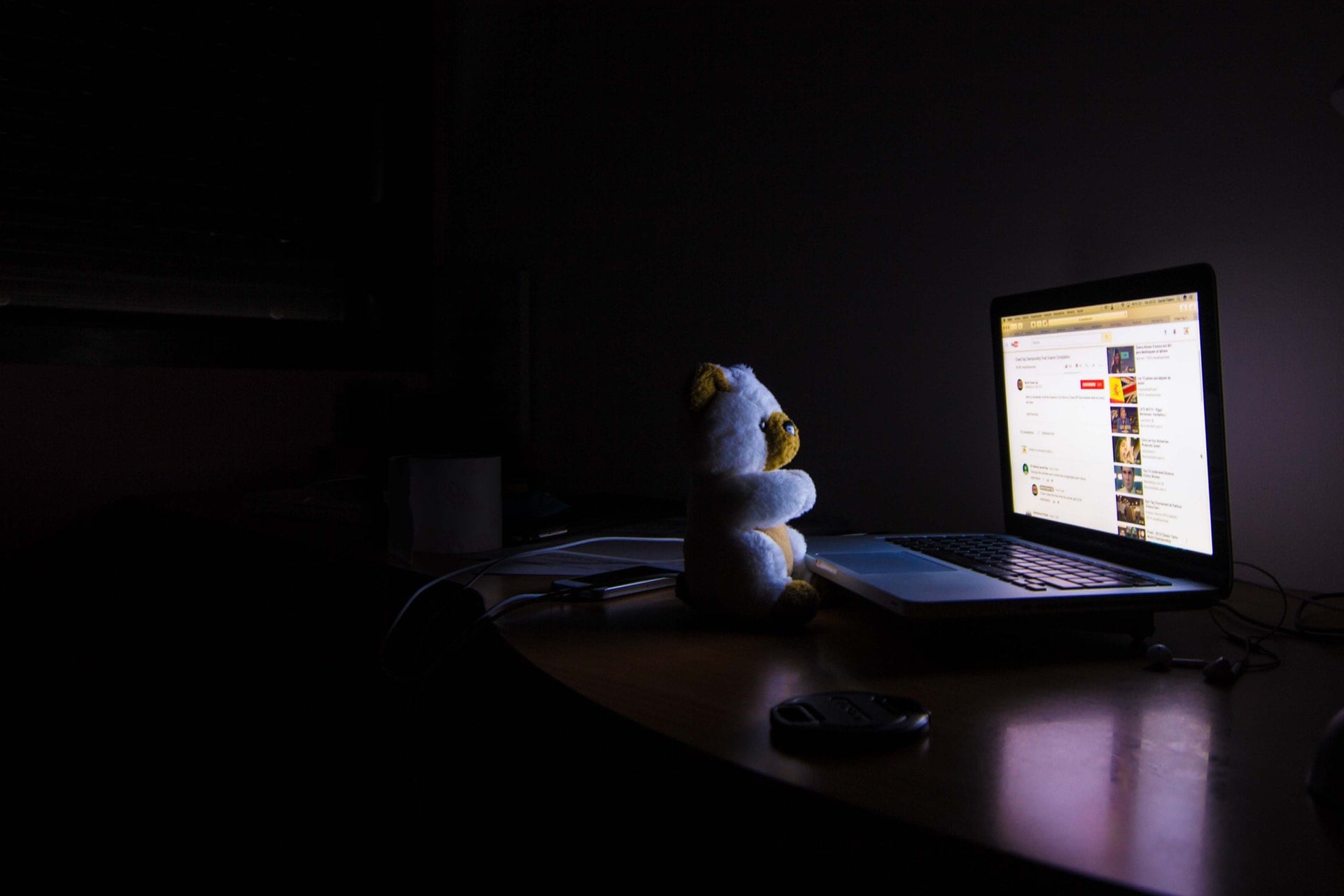
Furthermore, scientific studies show that blue light suppresses melatonin production and exerts a physiological alerting effect. Consequently, using screens before bed disrupts sleep architecture and significantly hampers subsequent learning performance and memory consolidation.
Myopia is actually a chronic medical disease. The earlier in childhood myopia develops, the faster its progression tends to be. Left uncontrolled, it frequently deteriorates into high myopia (exceeding 500 degrees / -5.00 D), which drastically elevates the lifetime risk of early-onset cataracts, glaucoma, retinal detachment, and macular degeneration, with up to 10% eventually suffering permanent blindness. Excessive screen use among adults similarly degrades eyesight, precipitating premature cataracts and retinal disorders—making digital hygiene equally critical for parents themselves.
Specialists advise parents to take their children outdoors into nature more frequently. Natural sunlight stimulates the retina to release dopamine, which curbs excessive axial elongation of the eyeball and prevents the progression of nearsightedness. Gazing into expansive distant horizons also relaxes ocular muscles and alleviates eye strain. Regular outdoor daylight exposure is the single most effective natural defense for both you and your children’s eyes!

Ophthalmology and pediatric healthcare specialists have summarized 6 proven golden rules that help parents and children stay clear of deteriorating vision:
- Spend at least 2 to 3 hours outdoors in daylight every day.
- Completely avoid screen exposure for toddlers under 2 years old; limit recreational screen time to under 1 hour daily for children aged 2 and older.
- Follow the 30-10 rule: rest eyes for 10 minutes after every 30 minutes of close work; maintain a reading distance of 35–45 cm.
- Ensure ample, glare-free indoor lighting and maintain proper ergonomic seating posture.
- Maintain a balanced nutritional intake, eating 5 servings of colorful fruits and vegetables daily.
- Undergo a comprehensive professional vision check 1 to 2 times every year.
Support Independent Perspectives & In-Depth Insights
Every thoughtful analysis and candid critique comes from our dedication to truth and quality. We choose not to follow sensational algorithms or clickbait headlines.
Sustaining independent research requires reader support. Make a one-time or monthly contribution, securely processed by Google.
Payments secured by Google · Manage or cancel anytime in your Google Account



Comments