
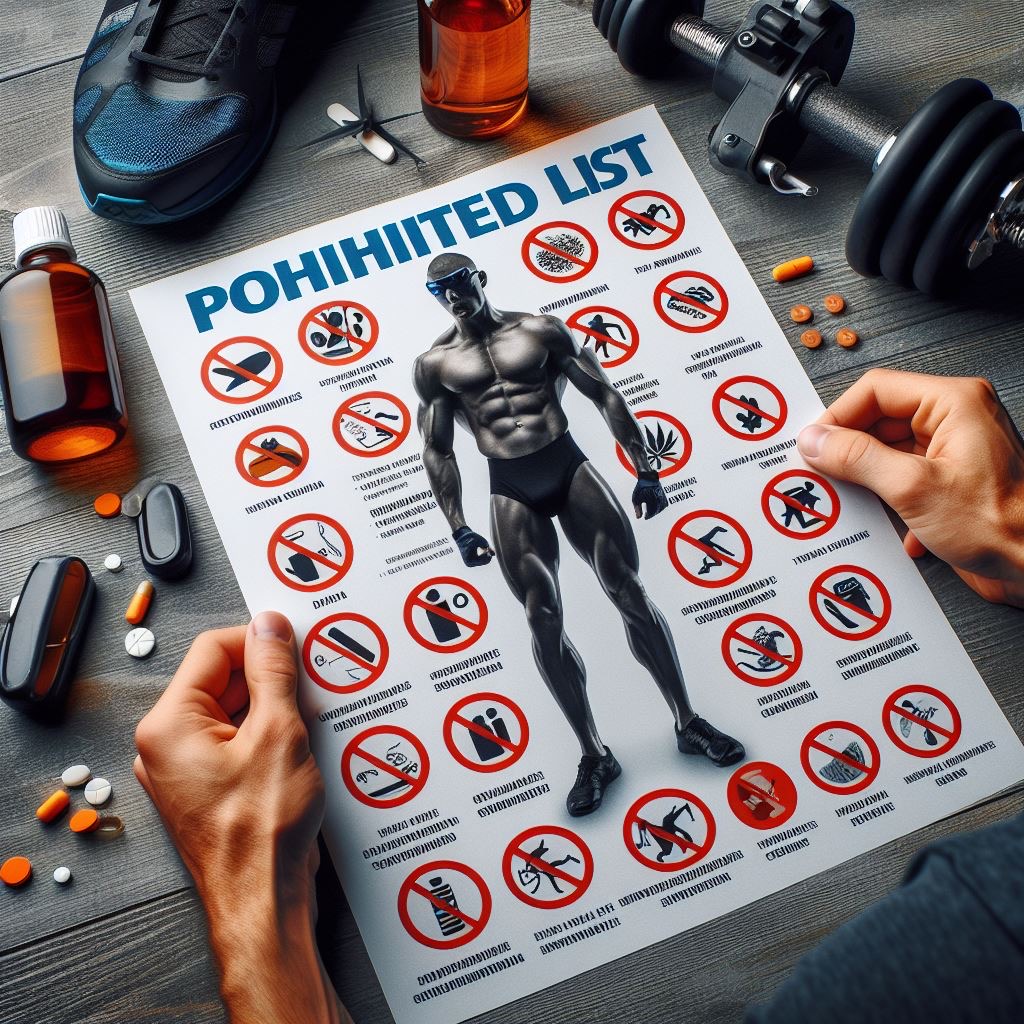
The competition prohibited drug list is a document published annually by the World Anti-Doping Agency (WADA), listing the prohibited substances and prohibited methods that athletes may not use in-competition and out-of-competition.
Athletes must avoid using any substance or method on the list to avoid penalties for violating anti-doping regulations.
Athletes must also bear ultimate responsibility for any prohibited substance detected in their body, regardless of how it entered the body, and whether it was intentional or unintentional.
For example, if you eat shrimp before a competition, you can keep part of the food as evidence that you did not intentionally consume food containing prohibited drug ingredients.
The prohibited drug list is divided into two major categories: prohibited at all times (in- and out-of-competition) and prohibited in-competition only.
Substances and methods prohibited at all times are those that cannot be used at any time, while substances and methods prohibited in-competition only are those that cannot be used only during competition. Below is a brief introduction to each category:
Prohibited at All Times (In- and Out-of-Competition)
- Non-Specified Substances and Methods: These substances and methods are considered to have no legitimate medical or other valid use in sport and carry a high risk of abuse. If athletes use these substances or methods, they will face the most severe penalties unless they can prove they did not intentionally violate the rules. These substances and methods include:
Prohibited Substances:
S1. Anabolic Steroids: These substances can increase muscle mass, strength, and endurance, and reduce recovery time. They include testosterone, androstenedione, methyltestosterone, nandrolone, dexamethasone, and others.
- S2. Peptide Hormones, Growth Factors, Related Substances, and Mimetics: These substances can promote cell proliferation, differentiation, and metabolism, and affect fluid balance and blood pressure. They include growth hormone, insulin, erythropoietin, vascular endothelial growth factor, and others.
- S3. Beta-2 Agonists: These substances can dilate the bronchi, increase heart rate and metabolism, and have anti-inflammatory and anti-allergic effects. They include salbutamol, clenbuterol, formoterol, and others.
- S4. Hormone and Metabolic Modulators: These substances can affect the endocrine system, energy balance, and weight control. They include aromatase inhibitors, selective estrogen receptor modulators, selective androgen receptor modulators, insulin analogs, and others.
- S5. Diuretics and Other Masking Agents: These substances can increase urine output and dilution, thereby masking the presence of other prohibited substances. They include furosemide, hydrochlorothiazide, procainamide, and others.
Prohibited Methods:
- M1. Manipulation of Blood and Blood Components: These methods include injecting blood or blood products into the body from outside, or using any device or substance to increase the oxygen-carrying capacity of red blood cells. These methods can increase an athlete’s endurance and recovery capacity.
- M2. Chemical and Physical Manipulation: These methods include using any substance or method to manipulate biological samples in order to interfere with the normal conduct of drug testing. These methods can hide evidence of an athlete’s use of prohibited substances.
- M3. Gene and Cell Manipulation: These methods include using any substance or method to alter the function of genes or cells in order to enhance athletic performance or recovery capacity. These methods can bypass normal physiological regulatory mechanisms.
Specified Substances: These substances are considered to have some legitimate medical or other valid use in sport, but also carry a potential for abuse. If athletes use these substances, they may receive lighter penalties if they can prove they did not intentionally violate the rules. These substances include:
- S6. Stimulants: These substances can increase central nervous system activity, improve alertness, attention, and reaction speed, and reduce fatigue and appetite. They include cocaine, amphetamine, caffeine, phenethylamine, and others.
- S7. Narcotics: These substances can reduce the sensation of pain, lower the response to trauma, and have sedative and relaxing effects. They include morphine, morphine, fentanyl, ibuprofen, and others.
- S8. Cannabinoids: These substances can produce psychoactive effects, affect psychology and behavior, and have sedative and analgesic effects. They include cannabis, tetrahydrocannabinol, synthetic cannabinoids, and others.
- S9. Glucocorticoid Receptor Agonists: These substances can increase glutamate levels in the brain, thereby improving learning, memory, and cognitive function, and have antioxidant and neuroprotective effects. They include glycine, choline, glucose, and others.
Prohibited In-Competition
- Non-Specified Substances and Methods: These substances and methods are considered to have no legitimate medical or other valid use in sport and carry a high risk of abuse. If athletes use these substances or methods, they will face the most severe penalties unless they can prove they did not intentionally violate the rules. These substances and methods include:
S0. Non-Approved Substances: These substances refer to substances that have not yet been approved by any government regulatory agency, or are in clinical trials, or have ceased development. These substances may have unknown side effects and safety risks, and may be used to enhance athletic performance. They include any unapproved drugs, biologics, gene therapy, or cell therapy, and others.
- S1. Anabolic Steroids: These substances can increase muscle mass, strength, and endurance, and reduce recovery time. They include testosterone, androstenedione, methyltestosterone, nandrolone, dexamethasone, and others.
- S2. Peptide Hormones, Growth Factors, Related Substances, and Mimetics: These substances can promote cell proliferation, differentiation, and metabolism, and affect fluid balance and blood pressure. They include growth hormone, insulin, erythropoietin, vascular endothelial growth factor, and others.
- S3. Beta-2 Agonists: These substances can dilate the bronchi, increase heart rate and metabolism, and have anti-inflammatory and anti-allergic effects. They include salbutamol, clenbuterol, formoterol, and others.
- S4. Hormone and Metabolic Modulators: These substances can affect the endocrine system, energy balance, and weight control. They include aromatase inhibitors, selective estrogen receptor modulators, selective androgen receptor modulators, insulin analogs, and others.
- S5. Diuretics and Other Masking Agents: These substances can increase urine output and dilution, thereby masking the presence of other prohibited substances. They include furosemide, hydrochlorothiazide, procainamide, and others.
- S6. Stimulants: These substances can increase central nervous system activity, improve alertness, attention, and reaction speed, and reduce fatigue and appetite. They include cocaine, amphetamine, caffeine, phenethylamine, and others.
- S7. Narcotics: These substances can reduce the sensation of pain, lower the response to trauma, and have sedative and relaxing effects. They include morphine, morphine, fentanyl, ibuprofen, and others.
- S8. Cannabinoids: These substances can produce psychoactive effects, affect psychology and behavior, and have sedative and analgesic effects. They include cannabis, tetrahydrocannabinol, synthetic cannabinoids, and others.
- S9. Glucocorticoid Receptor Agonists: These substances can increase glutamate levels in the brain, thereby improving learning, memory, and cognitive function, and have antioxidant and neuroprotective effects. They include glycine, choline, glucose, and others.
Specified Substances: These substances are considered to have some legitimate medical or other valid use in sport, but also carry a potential for abuse. If athletes use these substances, they may receive lighter penalties if they can prove they did not intentionally violate the rules. These substances include:
- P1. Alcohols: These substances can affect the central nervous system, producing sedative, analgesic, anxiolytic, antidepressant, and antipsychotic effects. They include ethanol, methanol, isopropanol, and others.
- P2. Beta-Blockers: These substances can reduce heart rate, blood pressure, and cardiac load, and have anxiolytic and anti-tremor effects. They include propranolol, atenolol, bisoprolol, and others.
- P3. Nitroglycerin and Other Nitrates: These substances can dilate blood vessels, increase blood flow, and have anti-anginal and anti-hypertensive effects. They include nitroglycerin, isosorbide dinitrate, sodium nitrate, and others.
- P4. Nitrous Oxide: This gas can produce sedative, analgesic, anxiolytic, antidepressant, and antipsychotic effects, and can increase blood flow and oxygen-carrying capacity. It is also known as laughing gas.
Support Independent Perspectives & In-Depth Insights
Every thoughtful analysis and candid critique comes from our dedication to truth and quality. We choose not to follow sensational algorithms or clickbait headlines.
Sustaining independent research requires reader support. Make a one-time or monthly contribution, securely processed by Google.
Payments secured by Google · Manage or cancel anytime in your Google Account




Comments