
The power cord plugs on most household appliances are two-prong plugs, used to match the wall power outlets (live wire, neutral wire); only for high-power electrical devices such as computers and air conditioners do people more commonly see three-prong plugs with a third grounding prong.
In fact, from the existence of this third prong, we can easily tell the quality of a three-prong power cord—and even learn whether the manufacturer has cut corners on these electrical and instrument devices. There are three simple ways to tell, including:
The first type of plug design: if a cheap, inferior cable is chosen to save costs, it can basically be broken off easily with your fingers (as shown in the figure below). This kind usually just has a hollow metal strip poorly soldered to the wire inside the connector (some are even just glued on for show), with little safety to speak of, and this type of cable mostly cannot handle high-load work.
The second type of plug design: if it’s an ordinary-quality cable, it only takes a pair of pliers, and without much time or effort it can also be twisted off quickly (if it were like an uncle I knew in New Zealand, who could twist open a beer bottle cap bare-handed, breaking this would be as easy as kneading dough for such a person). Common cheap electrical devices or domestically produced low-cost extension cords mostly use this grade of cable, with safety only slightly better than the above.
The third type of plug design: if it’s good cable quality, even using two flat-nose pliers will leave you drenched in sweat before there’s even a slim chance of pulling it apart—and more often than not, you’ll just give up. This kind of metal prong has high integrity with the conductive circuit inside the power plug and also offers relatively high safety.
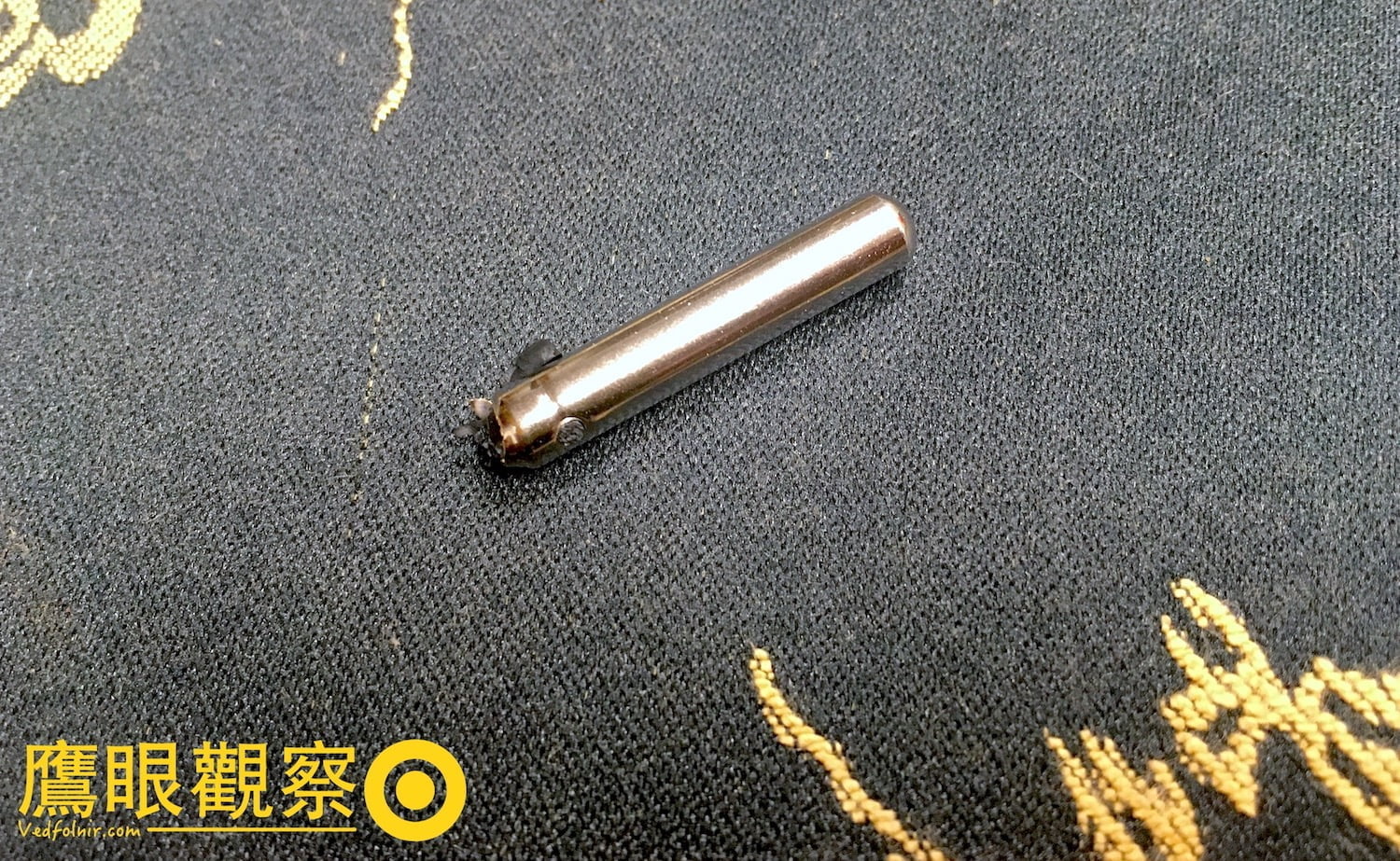
Third grounding prong on an electrical device’s power cord
For example, the power cords of air purifiers from well-known brands mostly use the third type of solid grounding terminal design described above—the kind of sturdiness that even a large diagonal cutter can’t cut through. This is because models with built-in motors tend to accumulate static electricity and need the third prong for grounding discharge to prevent people from getting electric shocks, and since the unit price is also higher, they are less likely to cut corners on this safety design (but small manufacturers may not be the same).
In fact, the main functions of the grounding wire are to prevent leakage, prevent electromagnetic interference, and prevent static electricity buildup. Most small household appliances don’t have these problems (those with motors and large screens do need them), and ordinary home environments rarely have three-hole power outlets specially installed, yet quite a few appliances need them and come with three-prong cords—I believe many people have probably thought about trying to pull off the grounding prong.
If it’s the first or second type of plug design mentioned earlier, then pulling it off is fine—after all, many residential buildings probably don’t have grounding rods driven in, and even if the wall has a three-hole outlet, it might be fake. But trying to pull off the third type of plug might be a bit troublesome, for two reasons, including:
- Electrical devices are prone to damage over long-term use—for example, internal circuits being eroded and damaged by large amounts of static electricity;
- If the grounding terminal is built directly into the plug, you might break the plug while pulling it off.
Therefore, I personally recommend buying a 3-to-2 adapter[1] if possible. These adapters usually also come with a length of extension wire that you can tie to a metal frame, which can also serve somewhat as a grounding wire, slightly protecting the appliance’s lifespan and personal safety.
References / Further Reading / Recommended Appendix
Support Independent Perspectives & In-Depth Insights
Every thoughtful analysis and candid critique comes from our dedication to truth and quality. We choose not to follow sensational algorithms or clickbait headlines.
Sustaining independent research requires reader support. Make a one-time or monthly contribution, securely processed by Google.
Payments secured by Google · Manage or cancel anytime in your Google Account



Comments