
The sunshine over Tamsui has been exceptional these past two days. Waking up in the morning and gazing at the heritage brick house behind my home, seeing the golden angle and warmth of the sun splashing across the brickwork immediately tells me what themes I can shoot today.
Lately, I have been caught in a tough dilemma over whether to invest in an external flash. After all, the Nikon SB-910 Speedlight carries the illustrious reputation of being the king of off-camera flash, and its price tag is certainly far from cheap. My modest wallet leaves no room for purchasing regrets.
My motivation for buying a flash was to push my photography further into creative territory—surely that can’t be a wrong decision, right? The real question was whether it was truly worth buying Nikon’s top-tier flagship OEM unit, or if I should settle for third-party alternatives that cost three to four times less with decent user reviews.
Many have heard the classic adage in photography that the golden hours for shooting are at dawn when the sky turns pearly white and at dusk when the sun dips below the horizon. Yet my favorite shooting hours happen to be right around midday under blazing, direct overhead sunlight (yes, I know that’s considered taboo by many photographers).
That preference made me question spending tens of thousands of dollars on a flash: I love blazing sunshine (classic Leo trait), and I rarely shoot indoors under dim ambient light. Even when venturing indoors, setting up studio lights is rarely feasible.
Yet despite all that rationale, I ended up buying the Nikon SB-910 anyway (dodges punches).
I must admit, an on-camera speedlight can effectively overpower harsh sunlight, ensuring your subject or model doesn’t end up shrouded in murky shadows. However, hands-on testing proved that mastering flash takes serious practice, and a single flash unit often feels inadequate. At the very least, one must break free of the stereotype of mounting it directly on top of the DSLR body, because off-camera lighting yields dimensionality that direct on-camera blasting simply cannot match.
Furthermore, unless you are a commercial professional who strictly demands absolute color temperature consistency, spending a small fortune on an OEM flagship speedlight may be overkill compared to starting out on affordable third-party flashes from mainland China (like Godox or Yongnuo) to learn the craft.
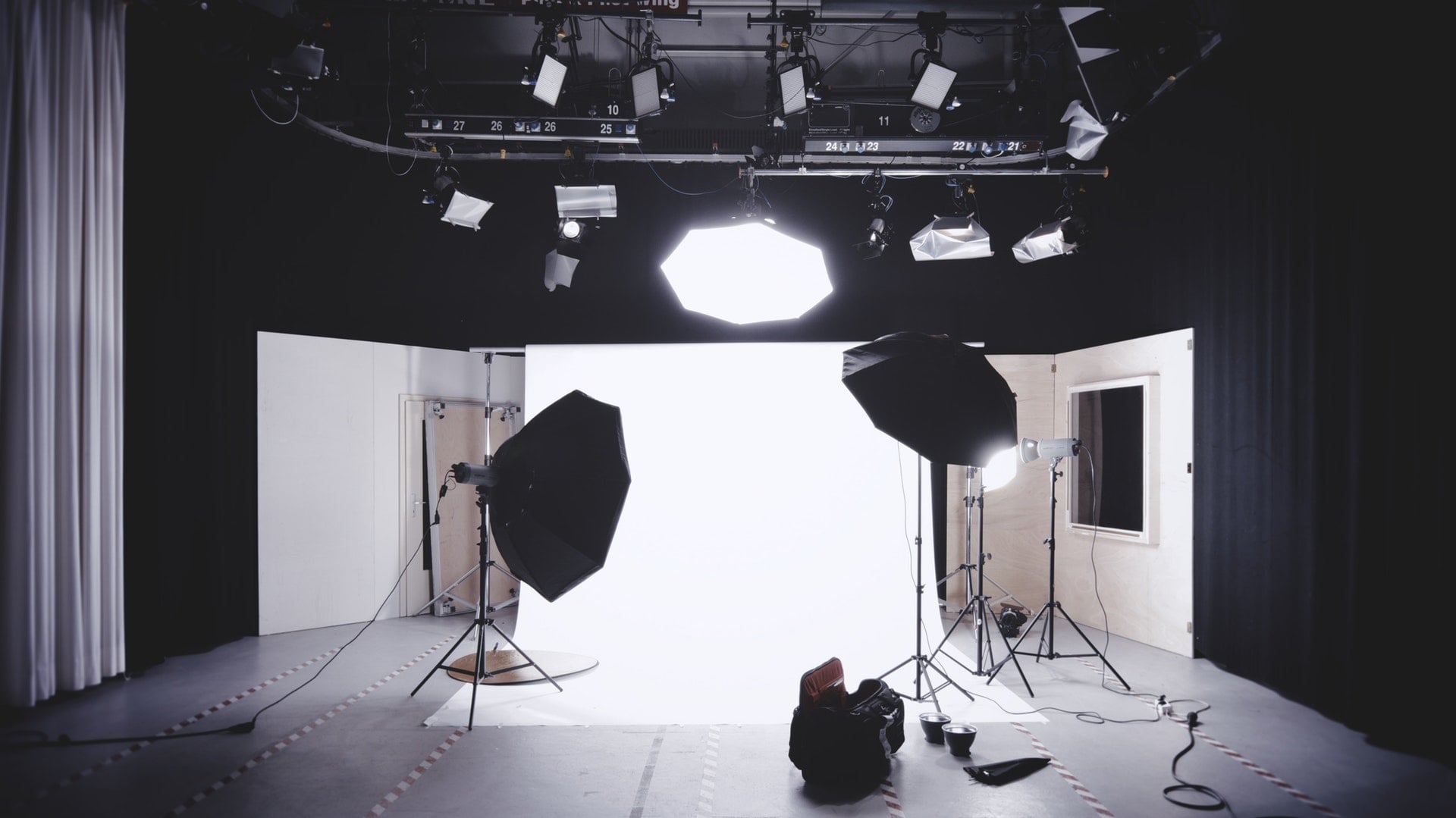
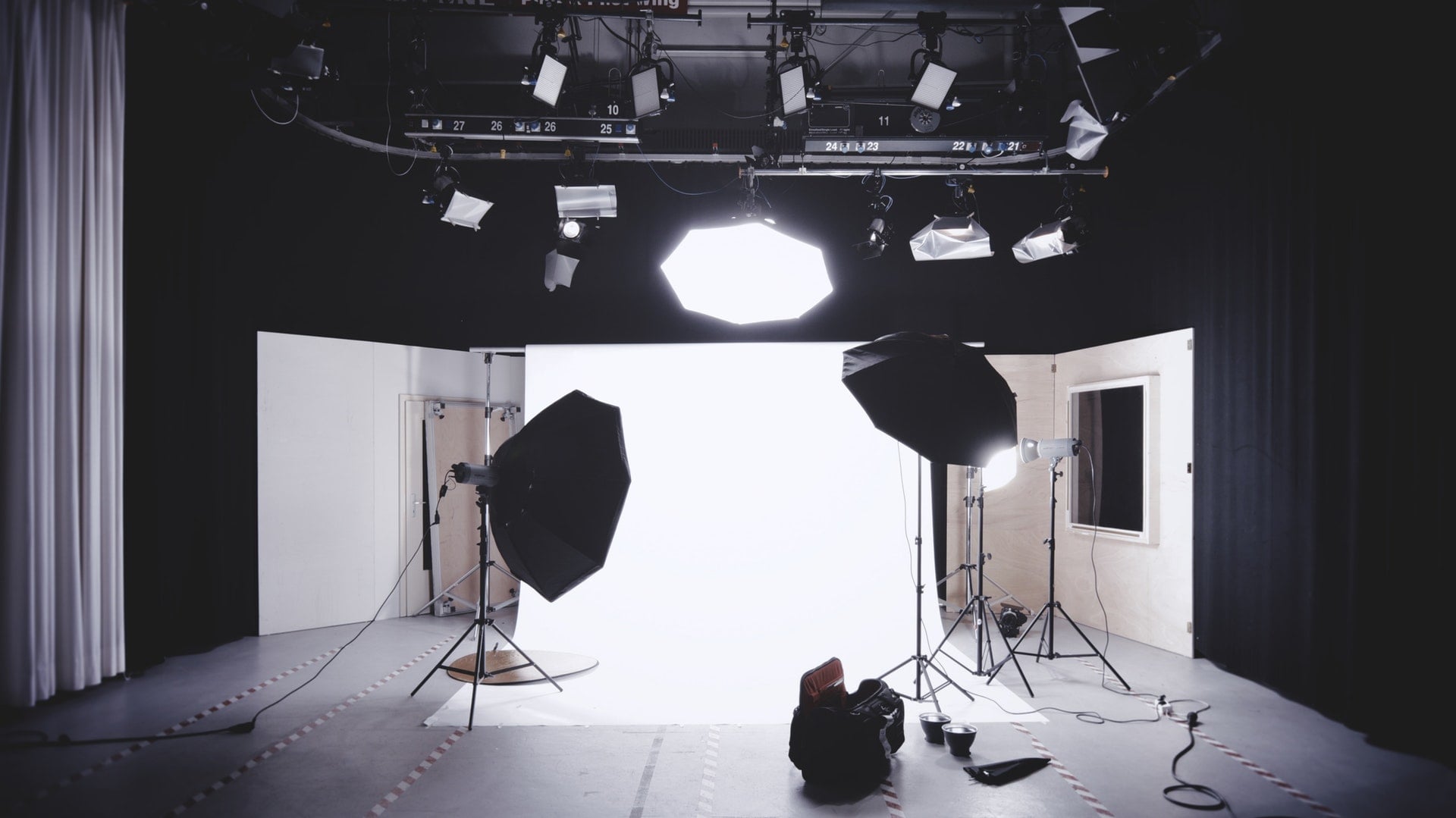
Besides, after practicing for a while, you might find yourself itching to leap straight into dedicated studio monolights (such as top-tier Profoto or Broncolor setups running into hundreds of thousands)—no wonder people say photography is an endless money pit!
Support Independent Perspectives & In-Depth Insights
Every thoughtful analysis and candid critique comes from our dedication to truth and quality. We choose not to follow sensational algorithms or clickbait headlines.
Sustaining independent research requires reader support. Make a one-time or monthly contribution, securely processed by Google.
Payments secured by Google · Manage or cancel anytime in your Google Account


Comments