
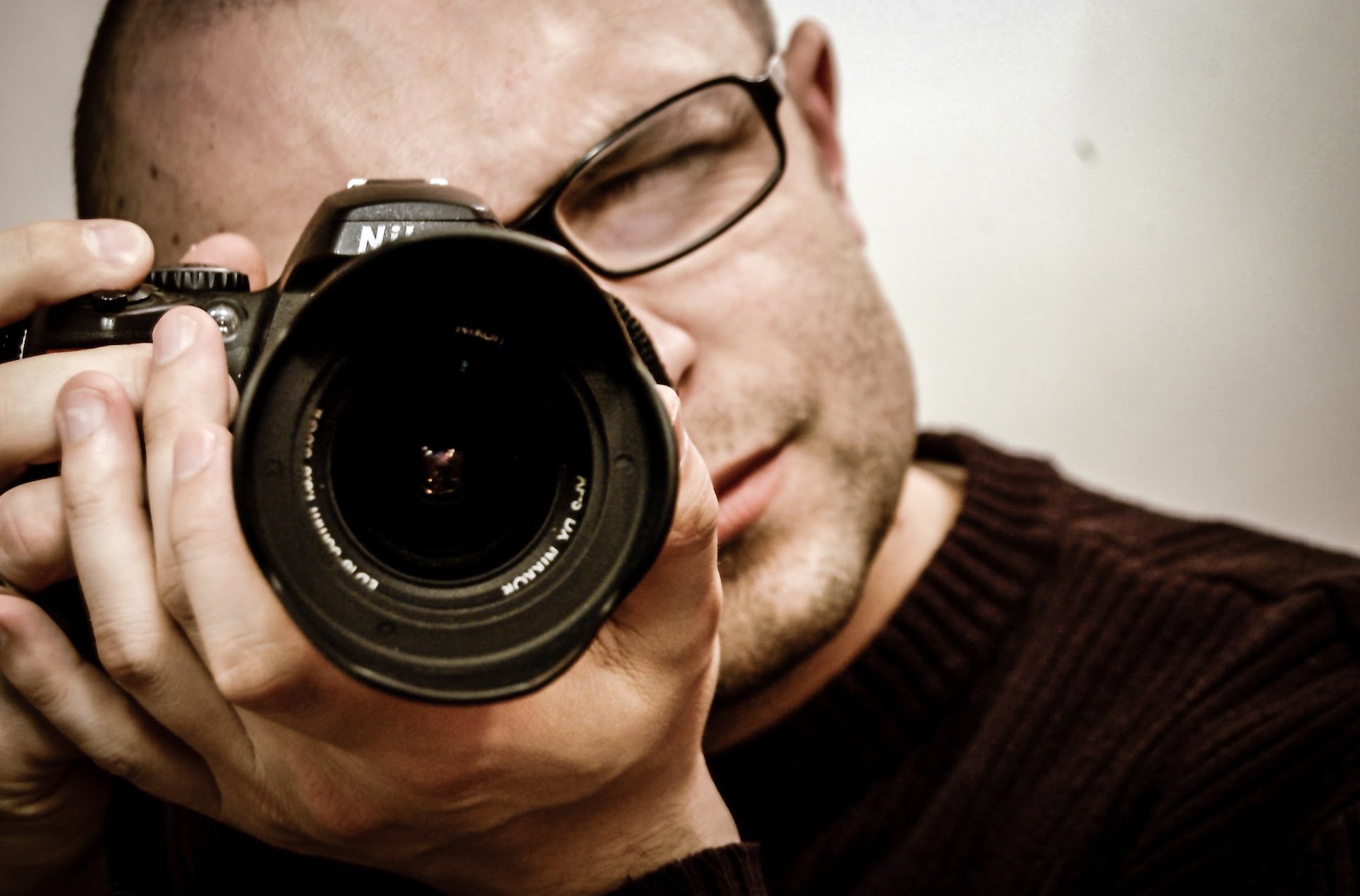
A while ago a friend went online to find a photography teacher in the market, with the aim of learning photography. This was the first time the author learned that amateur photography enthusiasts also need to find a photography teacher.
Setting aside art academy photography programs, which teach too broadly, too deeply, and too long, that is neither what he wants nor what he needs.
But for general photography, is it really necessary to find a so-called “teacher”? At least among some photography enthusiasts the author knows, I have not found anyone who specifically went to a so-called photography teacher to learn.
Hmm, no, there seems to be one. But his situation is rather special, because from the very beginning he wholeheartedly wanted only to shoot female students, wanted to shoot female models, wanted to shoot women — in short, as long as it is female, that is right. So this friend sought out the kind of course where, after paying, the teacher brings the (female) models to you and you shoot as you please.
Other than that, is there anything else he wants to shoot that is hard to get hold of?
The great mountains are always there.
The great sea is just a right turn out the door.
Passersby — hide at home and secretly look out the window and there they are (gets beaten away).
Since the subjects to shoot are right before your eyes, and you have a camera in hand, why don’t you shoot? Why spend money to have someone force you to shoot? Is it simply paying money to find an S? Are you M-oriented? (poke poke poke poke poke)
Basically, the author believes that in photography, apart from the basic skill of understanding how to operate the camera in your hands, the rest is your own imagination and aesthetic sense.
This article applies regardless of camera or brand. If you are using a point-and-shoot, you can read straight on; if you are using a DSLR, beginners can continue with the attached “The 4 Major Camera Exposure Modes ‘P, Av, Tv, and M’ and an Introduction to Shutter, Aperture, and ISO1” basic camera concepts article.
But imagination comes in two kinds: one is imagination before shooting, also called the photographic eye. The other is imagination after shooting, that is, post-processing, which is not what we are discussing today, because the author’s own post-processing skills are simply no match for those from art academies.
Regarding the cultivation of photographic imagination, here are three good methods to introduce.
One, shoot constantly.
Pick up the camera, load the film, walk out the door, shoot like crazy!
After shooting, take the photos home and review whether you really like this image.
If you do, that is great, because that is your style — personal style, put plainly, is just what you like; if you do not, you can try to imagine how this photo should have been shot to match your style, that is, the look you would like.
Shooting constantly has another benefit: you can quickly become thoroughly familiar with all the camera’s functions, and you will also grow in the basic skill of operating the camera, which in turn means you can shoot more quickly when out taking photos.
Two, browse exquisite photographic works.
I personally highly recommend searching “Flickr2” albums for themes you like, and appreciating good works one by one. This is more effective than taking a long trip to a museum to admire famous works.
But I want to remind you: it is not about imitating and producing identical works, but about learning what ways of presentation and light-and-shadow techniques exist in an image, and trying to imagine how these photos were produced.
Especially now, many photos provide EXIF settings3, through which we can see what camera settings were used for each photo.
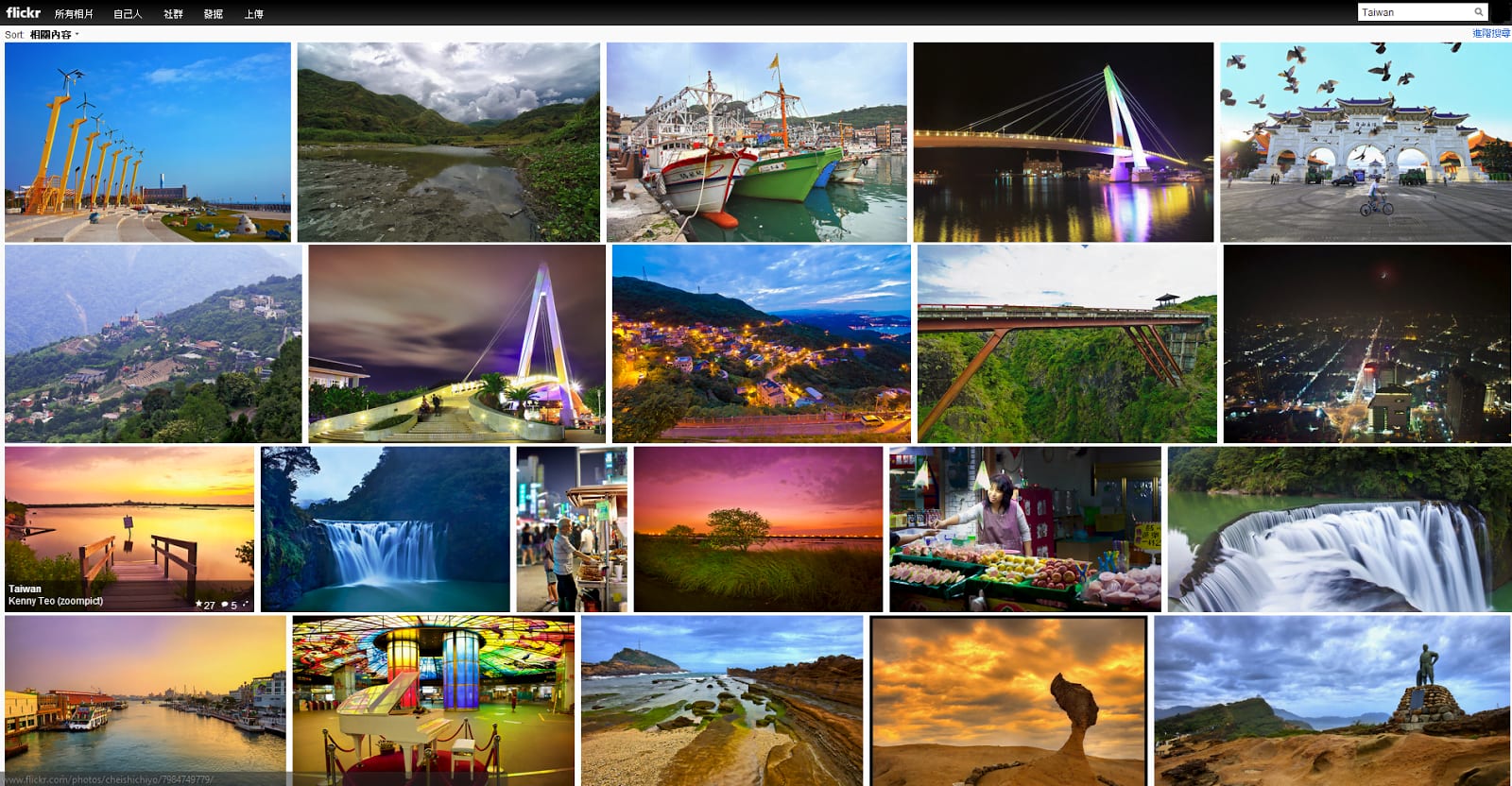 Searching the keyword Taiwan in Flickr albums
Support Independent Perspectives & In-Depth Insights
Every thoughtful analysis and candid critique comes from our dedication to truth and quality. We choose not to follow sensational algorithms or clickbait headlines.
Sustaining independent research requires reader support. Make a one-time or monthly contribution, securely processed by Google.
Payments secured by Google · Manage or cancel anytime in your Google Account

Comments