
These past few days, Tamsui has been occupied by thick fog, a natural phenomenon of the transition between winter and spring. But when the sky lacks sunlight, many people do not know how to keep taking photos, always feeling it is hard to think of a subject to work with, since everything is shrouded in mist.
Fog refers to a condensation of water vapor composed of small water droplets or ice crystals suspended in the atmosphere near the Earth’s surface, a common weather phenomenon. Tamsui especially, at each turn from late winter to early spring, is often shrouded in heavy fog for several days.
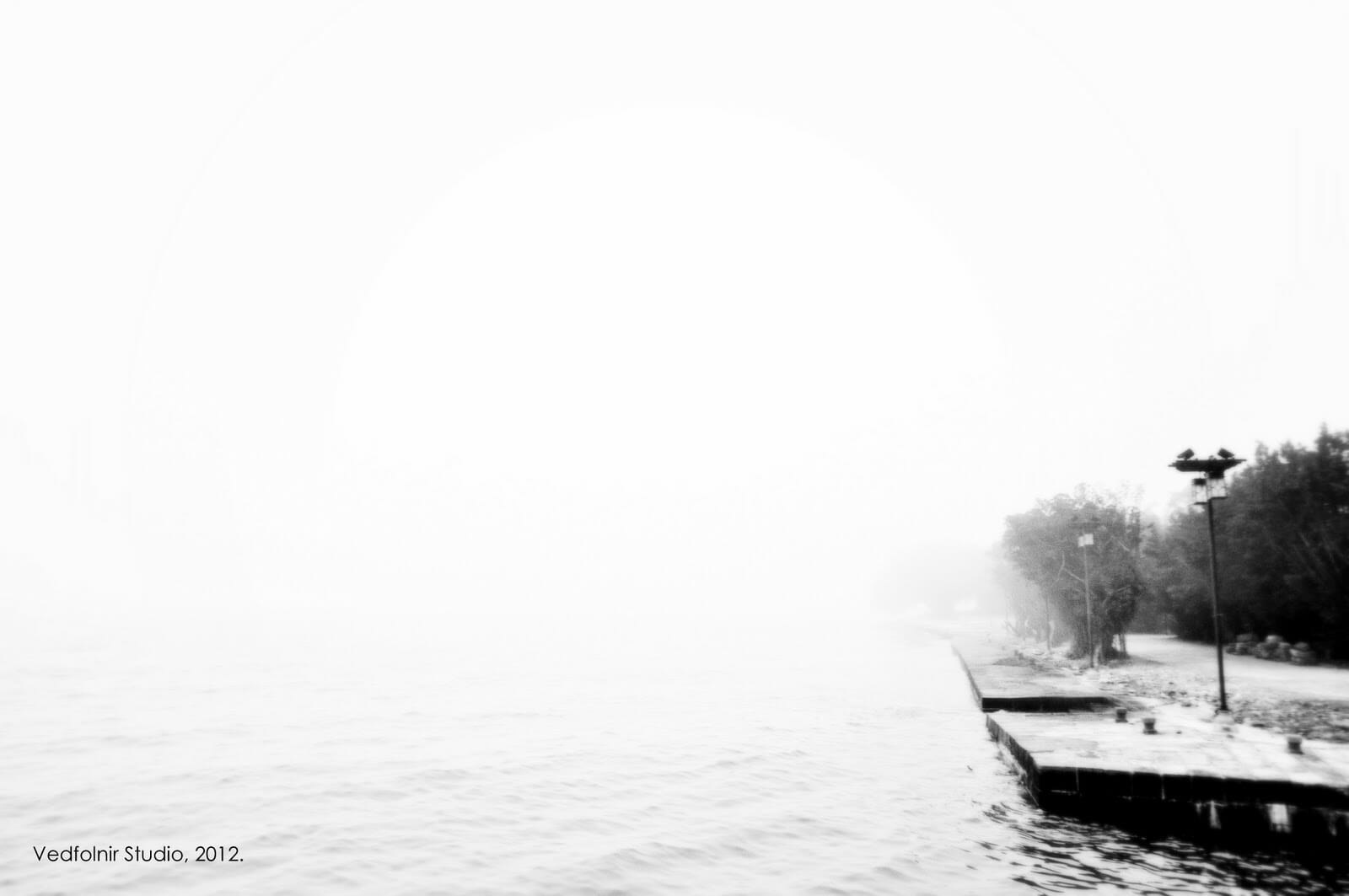
Tamsui Customs Wharf covered in thick fog (Image / Jinliang Lin)
According to the international definition, visibility in fog must be less than 1 kilometer. When the temperature reaches the dew point (or approaches it), water vapor in the air condenses to form fog. Depending on the cause of condensation, fog has several different types; as for detailed information, please look it up online yourselves.
In the course of traveling everywhere, the author has seen many different types of fog — some so thick you cannot see your own hand, some blown about by strong winds, and even fog that shrouds the entire town of Tamsui (like Stephen King’s The Mist).
The most memorable time for the author was at the main peak of Datun Mountain, around eleven o’clock at night.
Apart from being colder, the weather on the mountain showed no sign of bad weather, yet I was forced to stay on the mountain for an hour. The reason was not that I chatted with Wanzhen on the phone for an hour, but that I simply could not see the road surface.
The asphalt road looked as if it were covered with a layer of dry ice, the thick fog stagnating on the ground without moving at all. Although with my driving skill I could have driven away along the “imagined” center line, for safety’s sake I stayed in the car with a friend — after all, at that time I had wanted to call Wanzhen to chat anyway (tongue out).
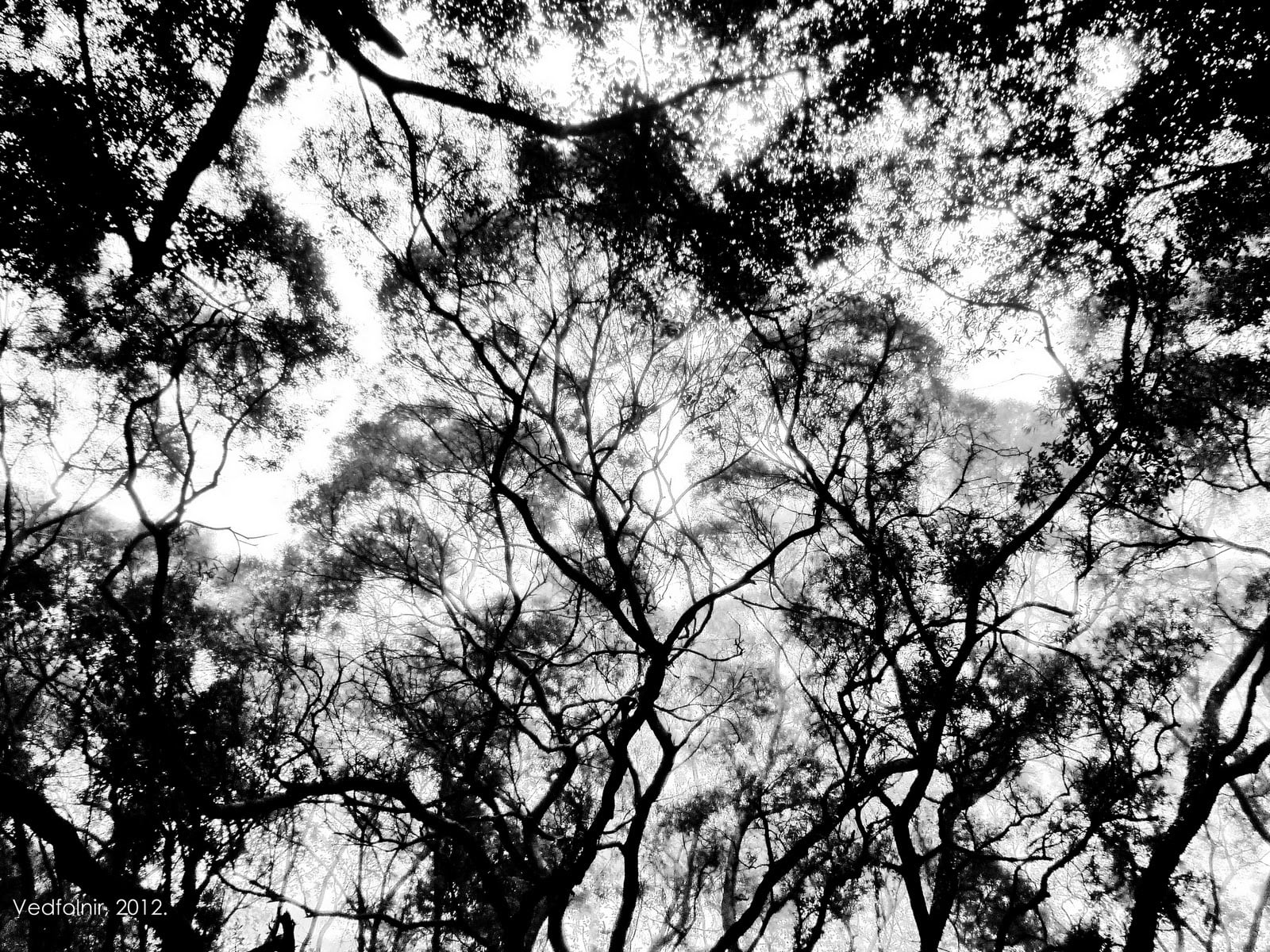
Fog itself is merely a form of water vapor. Apart from the inconvenience caused by reduced visibility, it brings people a certain sense of mystery — for example, in many novels, fog is an absolutely indispensable necessary condition.
As for the photography technique for fog, I am still learning, so I cannot offer any useful advice; after all, it only appears for a short period each year, and there is a long way to go in learning.
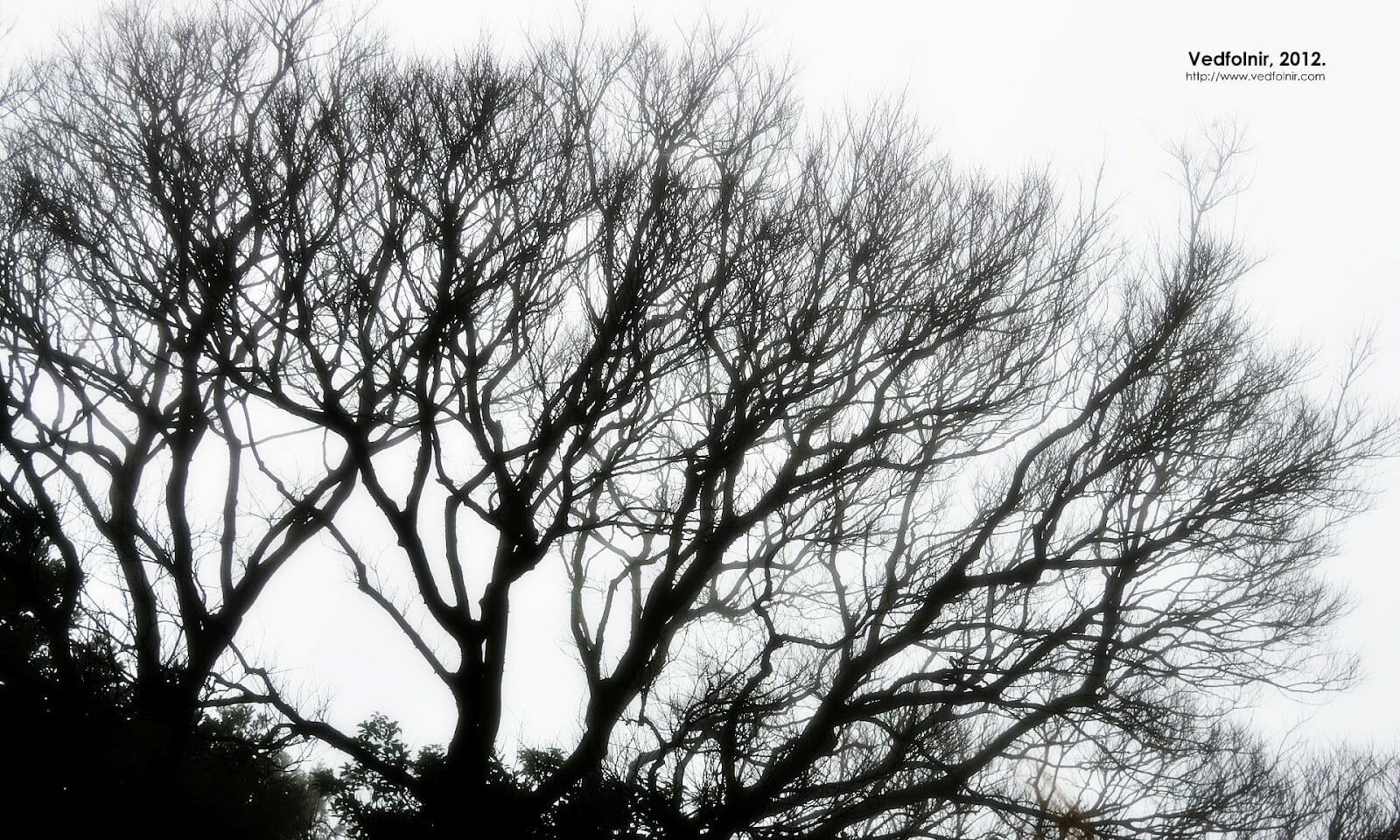
White fog on the treetops (Photo / Jinliang Lin)
Still, there are seniors online who have offered a few points of advice on photographing fog scenes, such as:
- Shooting fog scenes requires choosing the right time; the best moment is when sunlight suddenly appears, when the thick fog is about to disperse but has not yet, or when heavy fog is about to form — the scenery will appear and disappear between the real and the illusory, creating an ethereal, unrestrained mood.
- Pairing with backlight, semi-backlight, or side light can present perspective and a sense of layering in the frame, fully revealing the wonderful visual effect of light and shadow in the fog.
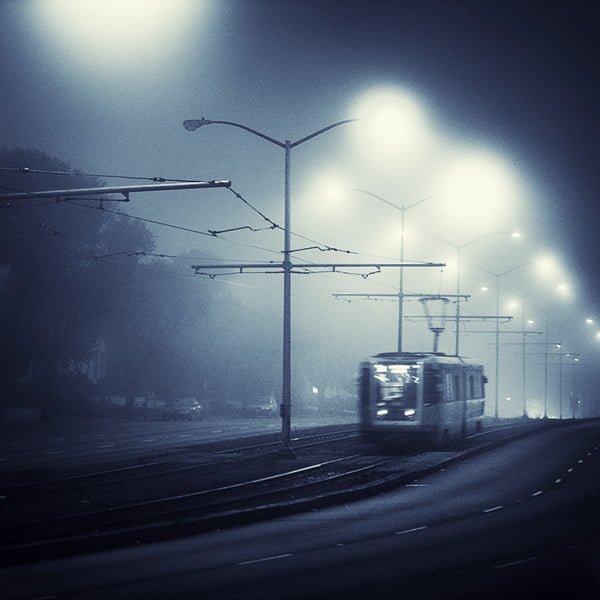
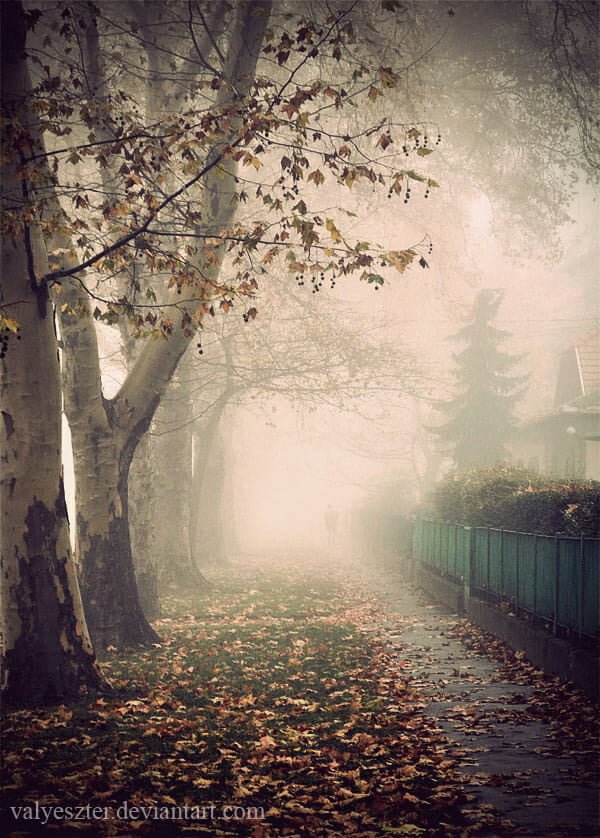
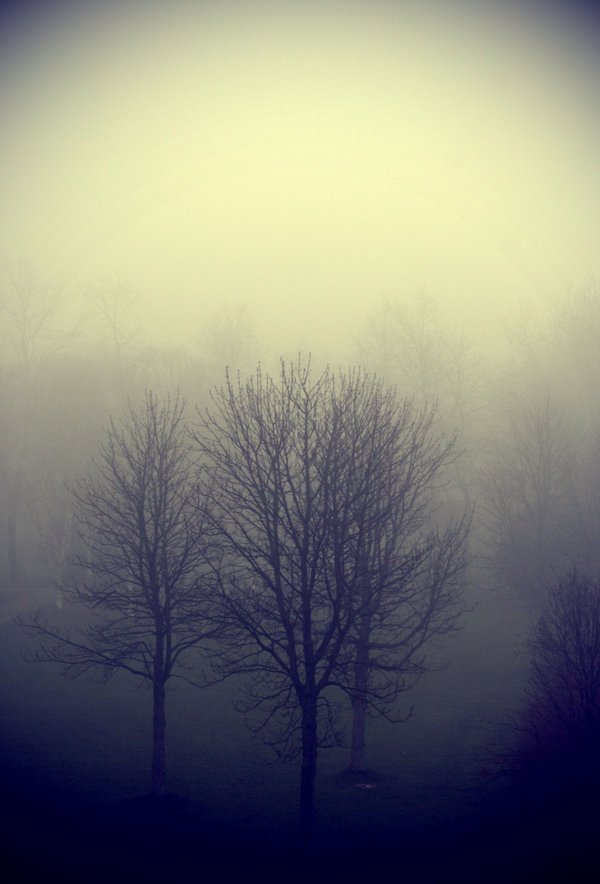
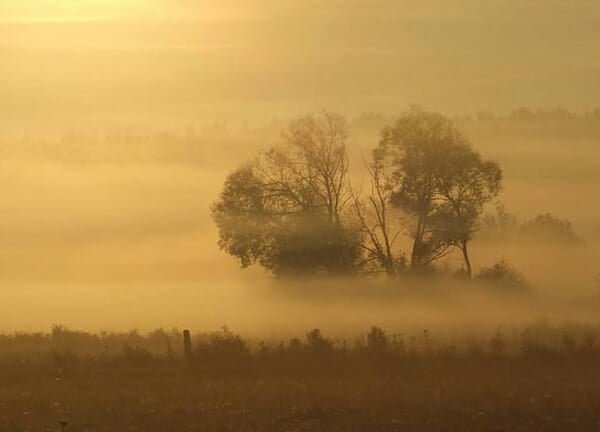
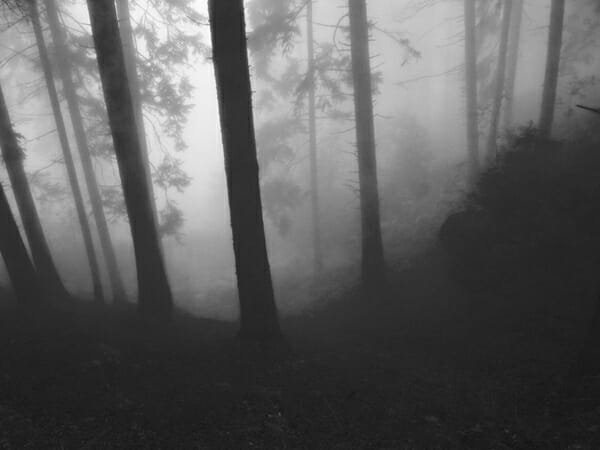
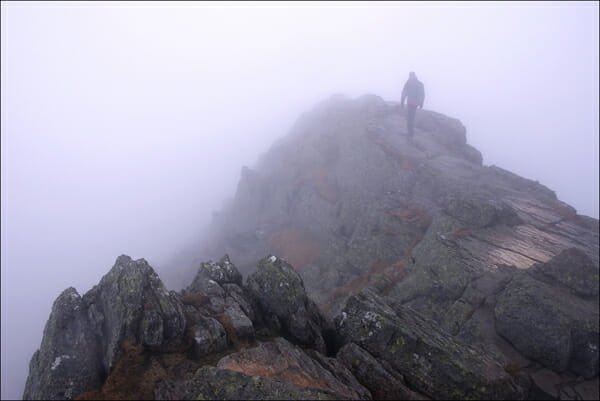
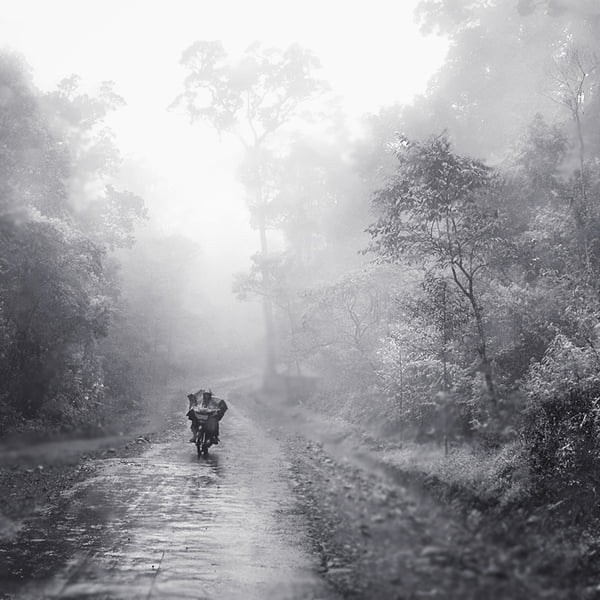
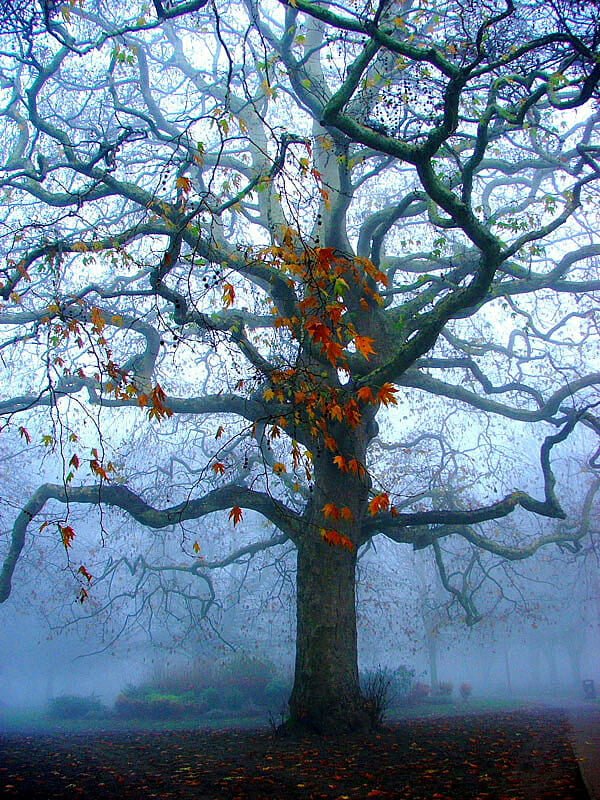
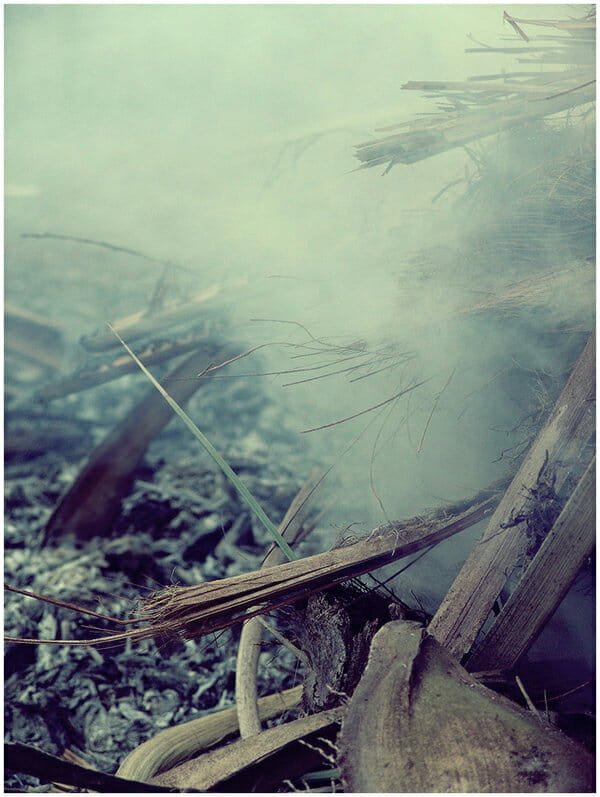
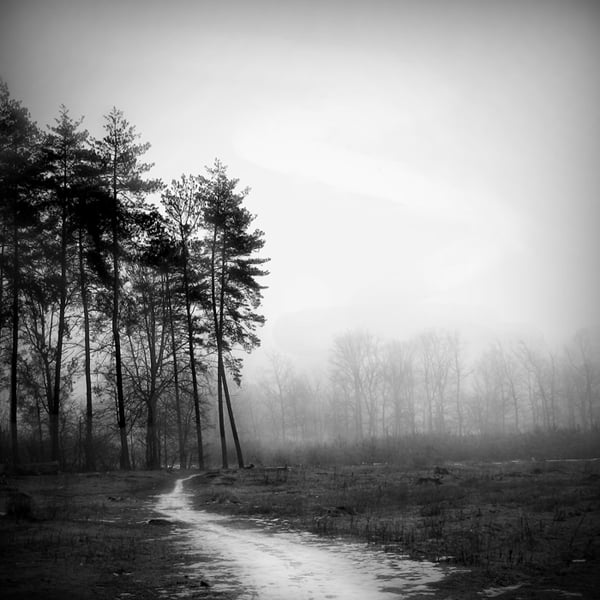
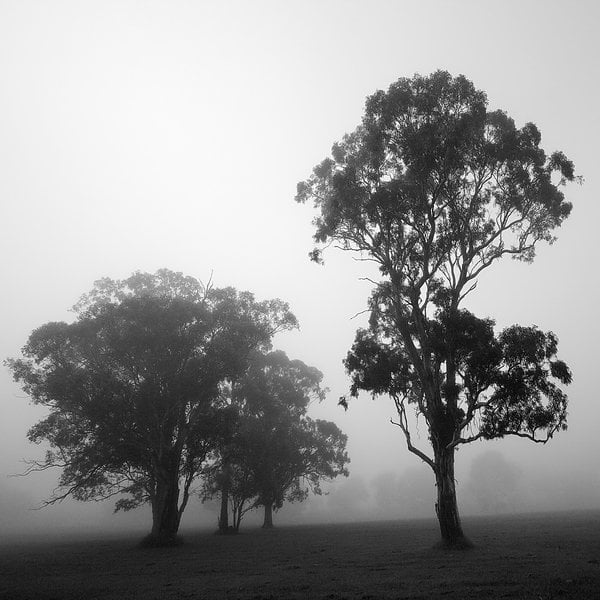
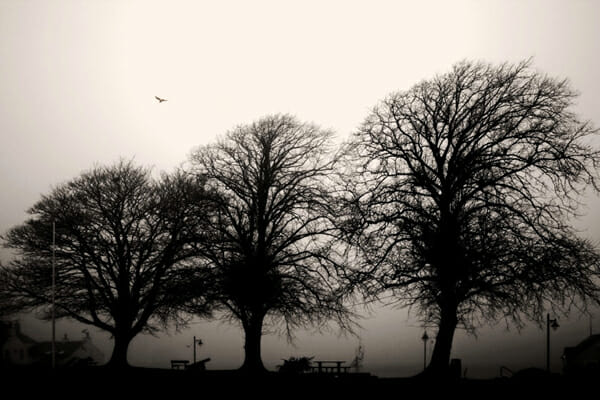
- Below are works by many photographers creating in and out of the fog; perhaps after seeing them, you may draw some inspiration from them.
Below is a collection of fog landscape photography by some photography seniors online, offered for everyone’s reference.


Support Independent Perspectives & In-Depth Insights
Every thoughtful analysis and candid critique comes from our dedication to truth and quality. We choose not to follow sensational algorithms or clickbait headlines.
Sustaining independent research requires reader support. Make a one-time or monthly contribution, securely processed by Google.
Payments secured by Google · Manage or cancel anytime in your Google Account



Comments