
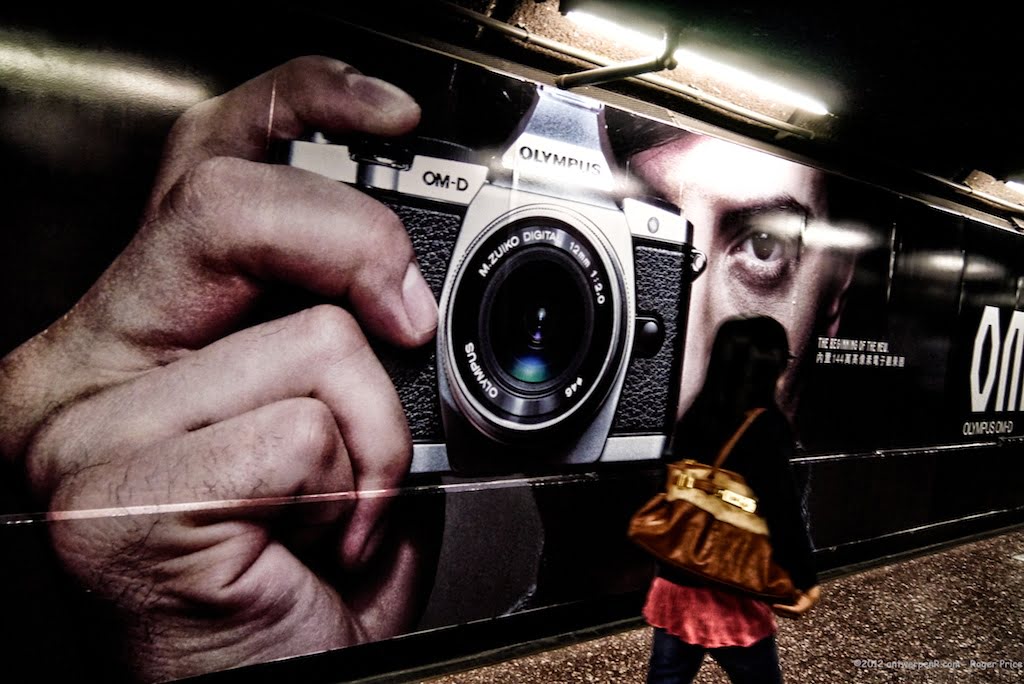
Beyond solid gold, silver, diamonds, and precious gems, photography is truly an industry priced and measured by weight. Here, “weight” does not refer to photographic prowess or technique, but rather to gear heavy enough to make your arms ache: cameras, lenses, and an endless array of accessories.
Let me start with a striking number: "**2.3 kg**".
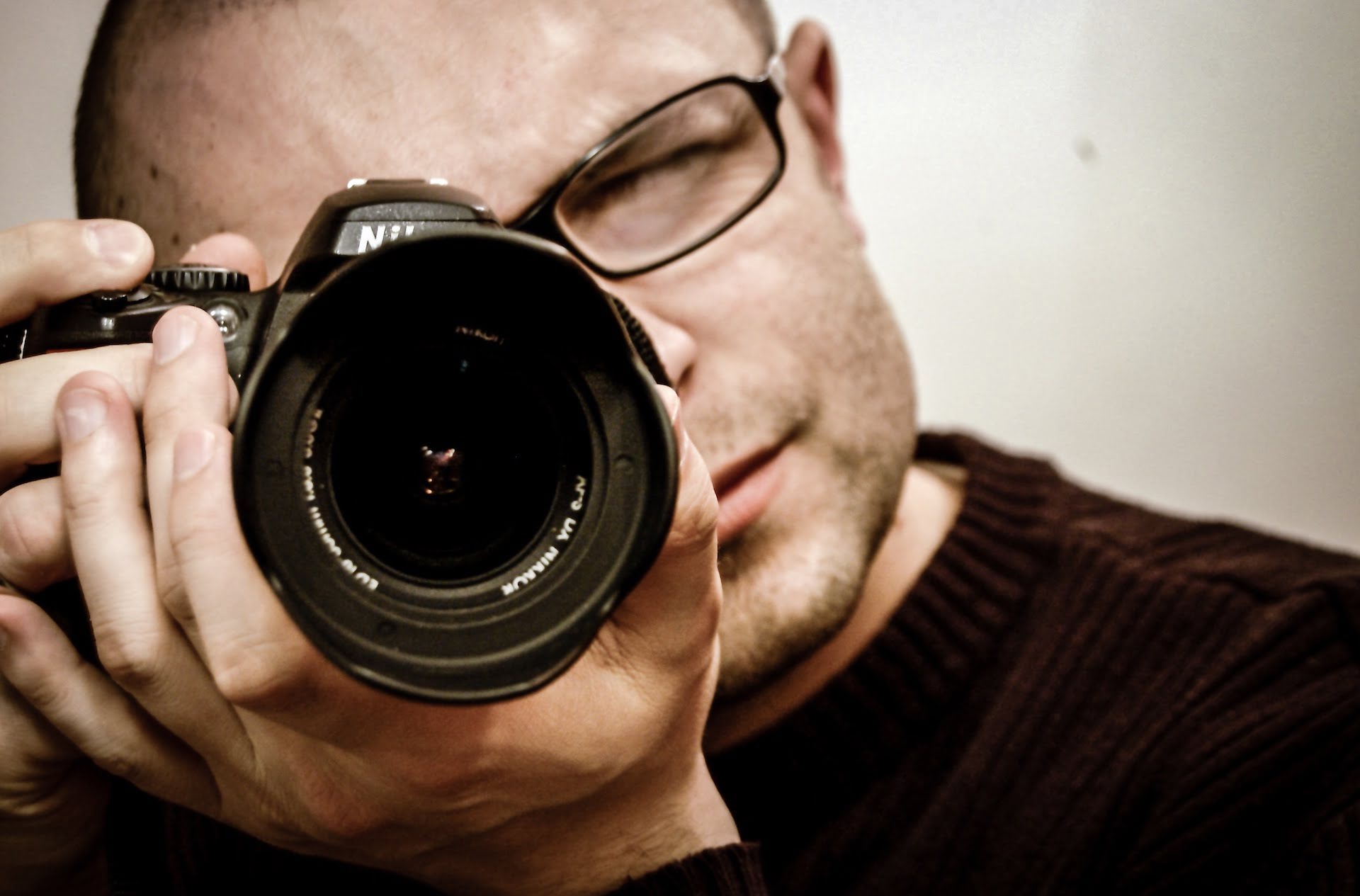
That was the exact number displayed on the digital scale when I weighed my DSLR yesterday—and that was only an entry-to-mid-range Nikon body with the iconic red accent.
One cannot help but wonder: those masters wielding flagship beasts like the Nikon D4 or Canon 1D X must all have backs like tigers and arms like aged pines; otherwise, how could they bear this bittersweet burden that inspires both love and pain?
The camera body, battery grip, zoom lens, external flash, and batteries together already tip the scales past two kilograms. If you factor in the less frequently used macro lenses, ultra-wide primes, large-aperture portraits, tripods, spares, filter kits, and heavy camera bags sitting in the dry box, the total gear weight can astonishingly exceed ten kilograms.
Naturally, this doesn’t even count the professional secondary backup bodies, prime lens kits, and long telephotos carried by master photographers—heaven only knows how high the scale would spike once those are piled on.
I love hiking and I love traveling; I carry a 55-liter backpack. The heaviest pack I ever carried was only around 15 kilograms, and that was for a solo trek into an uninhabited forest where, beyond my long-haul gear and necessary rations, I brought along an extra six-pack of beer (laughs).
Even so, after trekking six or seven hours through deep forest, I never felt exhausted. That credit belongs entirely to backpack ergonomics and my disciplined demand for ultralight gear.
“Going lightweight” is my primary criterion when choosing hiking and travel equipment, allowing me to strip carried weight down to the bare minimum.
To give a real example: when I carry 20 kilograms, someone else on the trail might carry 30 kilograms for the same route. This difference stems not only from lightweight gear choices, but even more from an adjustment in mindset.
Of course, for old mountain goats, 30 kilograms is just baseline pack weight; as long as they can enjoy a feast high on the ridge, they couldn’t care less about carrying extra weight.
Yet when it comes to photography, it completely violates my personal principles—or rather, you are forced to violate them unless you are content sticking strictly to point-and-shoot compacts.
The more rugged and capable the camera body, the heavier it gets; the higher the optical quality of the glass, the heavier it gets; the sturdier the tripod, the heavier it gets… and generally, the pricier the equipment, the heavier it still gets.
Currently, weight seems to have become the original sin of photographers—including personal body weight (tears).
A hefty camera might look wielded effortlessly and gracefully in a seasoned photographer’s hands, but beneath the surface, the photographer is quietly groaning. Yet within their financial means, most photographers ultimately end up upgrading to heavier and heavier gear. Not because their arm muscles crave a workout, nor because they foolishly seek heavy objects, but because of relentless pickiness and dissatisfaction with image quality.
I am not preaching that everyone must shoot with top-tier gear, but photography has its harsh realities.
When your photographs cannot captivate viewers purely through subject matter (or fame), even if you disregard how others judge the tier of equipment in your hands, you must recognize that better optical gear usually means more weight (the Leica M9 being a curious exception)—especially when your audience demands nothing less than exquisite image rendering.
Otherwise, consider one of my favorite masters of photography: a true legend who carried humble film compact point-and-shoots yet captured masterpiece after masterpiece. But even if you mimic him and buy the exact same pocket camera, I can guarantee there is a ninety-percent chance you will simply get lost in the sea of mediocrity.
After saying all this, what I really wanted to express was the simple thought that slipped out when my camera hit the scale: "**It is bloody damn heavy.**"
Support Independent Perspectives & In-Depth Insights
Every thoughtful analysis and candid critique comes from our dedication to truth and quality. We choose not to follow sensational algorithms or clickbait headlines.
Sustaining independent research requires reader support. Make a one-time or monthly contribution, securely processed by Google.
Payments secured by Google · Manage or cancel anytime in your Google Account


Comments