
Last year, the most talked-about breakthrough concept camera was undoubtedly the LYTRO ILLUM light field camera. Its astonishing ability to shoot first and focus later impressed many of us, and it is now officially available in retail stores across the Republic of China (ROC).
Today, we take a look at the latest intriguing concept device: the Light L16. Delivering an astonishing 52 megapixels, the Light L16 remains remarkably slim. At first glance, its styling evokes memories of late-night cram sessions accompanied by a classic Sony cassette player—just missing an extendable whip antenna.
The most distinctive feature of the Light L16 is its camera cluster: 16 individual camera modules arranged across the body face (see Figure 1).
According to the manufacturer, the Light L16 utilizes multi-aperture computational optics. With each shutter press, up to 10 individual camera modules fire simultaneously. Proprietary fusion algorithms merge these data streams into a single ultra-high-resolution image.
Consequently, even though each discrete sensor measures 13 megapixels, the onboard image processor synthesizes crisp photos reaching up to 52 megapixels.
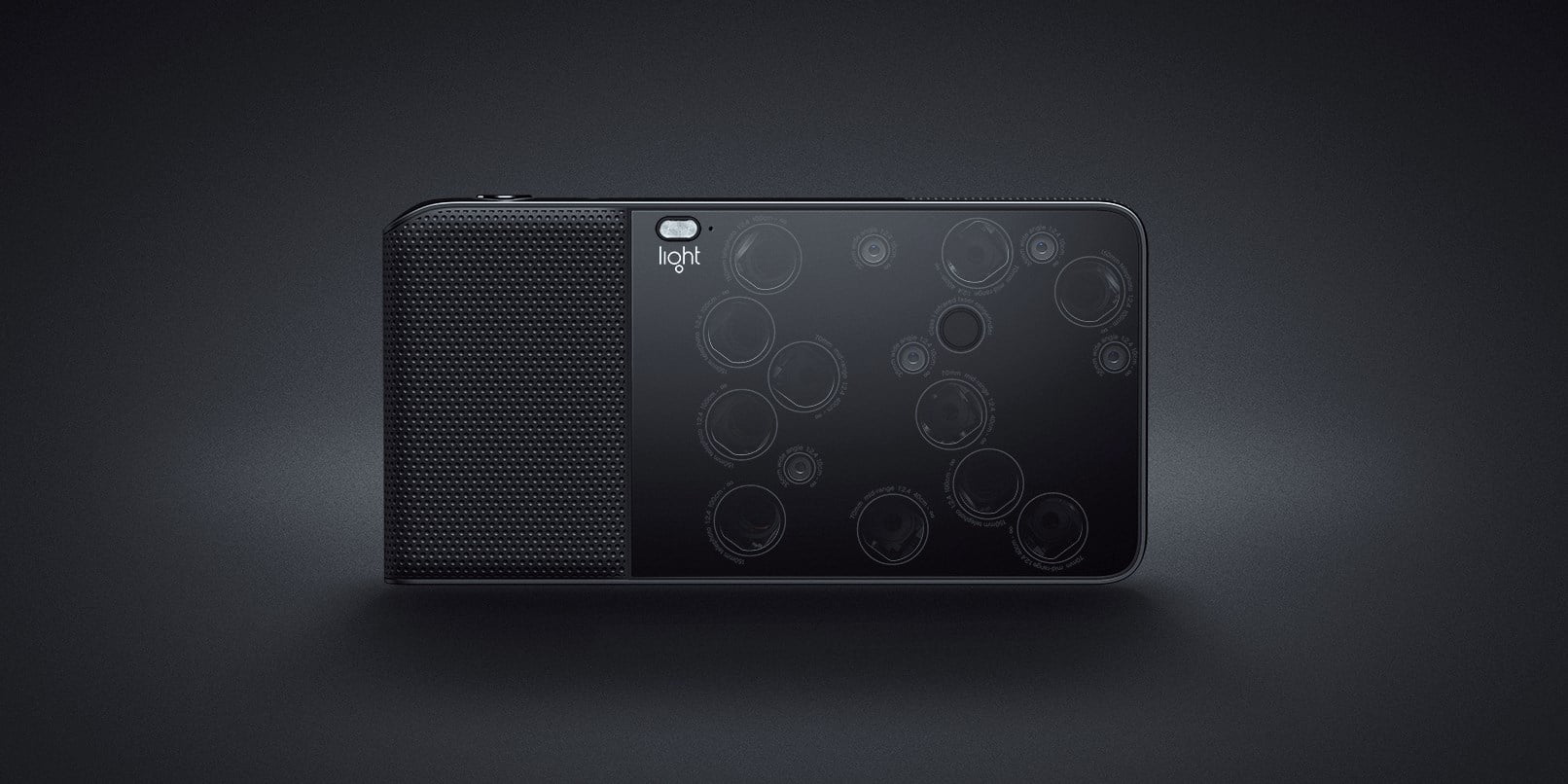 Figure 1: The Light L16 camera (Source: Light official website).
On the hardware side, the 16 lenses are configured into three focal groups: five 35mm lenses, five 70mm lenses, and six 150mm lenses (as shown in Figure 2).
Working together across these modules, they provide seamless optical zoom ranging from 35mm wide-angle to 150mm telephoto (as shown in Figure 3). The minimum focusing distance is 10 cm at the wide end and 100 cm at full telephoto.
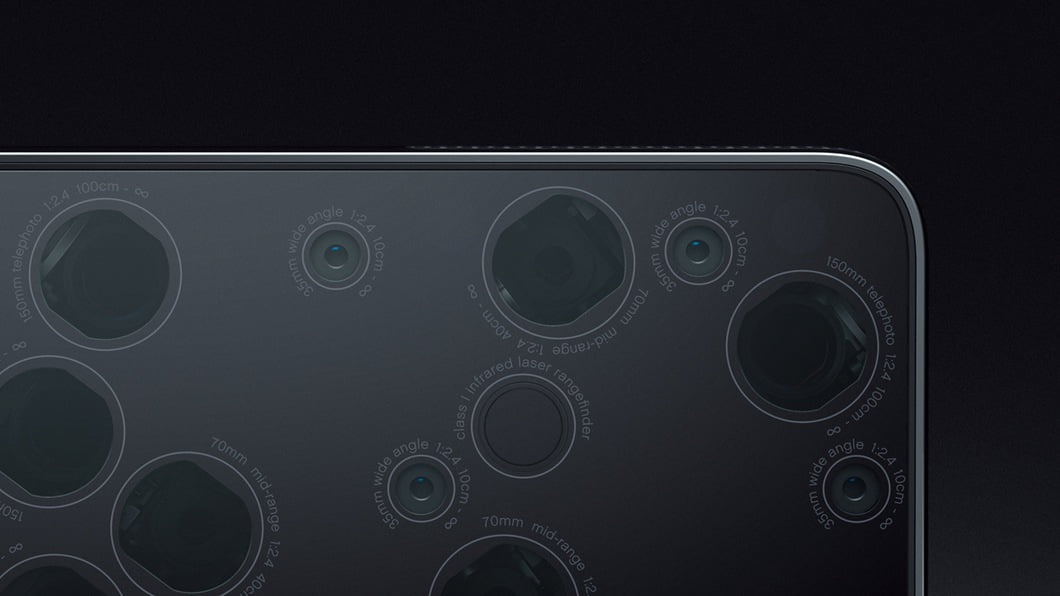 Figure 2: Close-up of the Light L16 multi-lens array.
In summary, compared to conventional digital cameras on the market, the Light L16’s standalone photographic features are not particularly complex. Aside from its massive pixel count, its control scheme is simpler than many premium consumer compacts.
Its compact optics do not appear to boast bespoke coatings like Leica or ZEISS, meaning color rendering, micro-contrast, and edge acuity will likely differ from high-end glass. Nevertheless, its pocket-friendly footprint, multi-focal versatility, and massive output resolution remain undeniable engineering achievements.
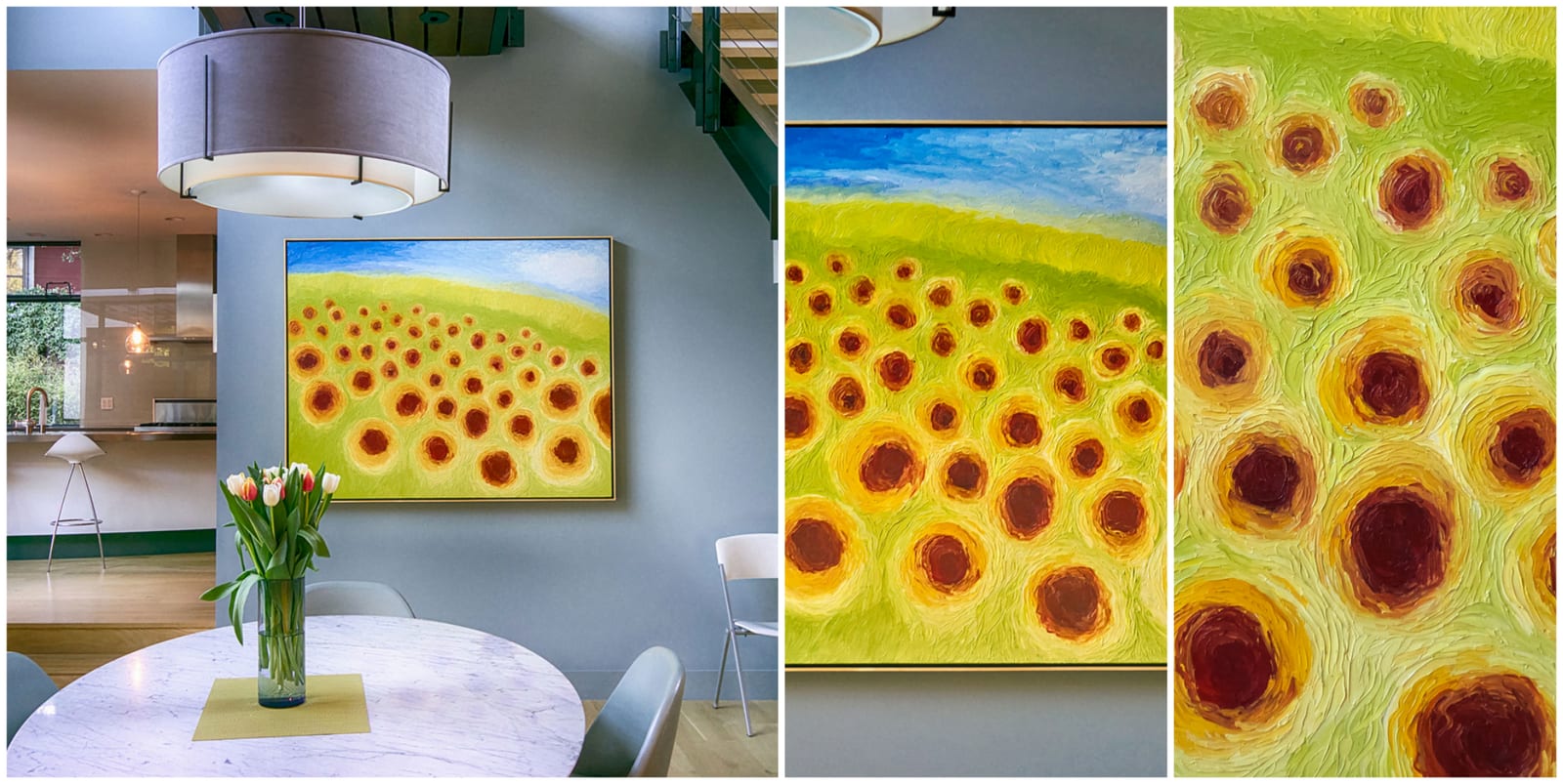 Figure 3: Focal range comparison: 35mm, 70mm, and 150mm (Source: Light sample gallery).
As noted, capturing a shot gathers data across up to ten sensors simultaneously. By analyzing differences in depth of field, focal planes, and dynamic range exposure brackets, the system produces a composite 52-megapixel photograph.
Does this algorithmic approach sound familiar?
It functions similarly to modern multi-frame computational HDR processing. Perhaps for this reason, viewing the official Light L16 demonstration photos yields a subtle HDR aesthetic.
For instance, Figure 4 shows an evening shot at sunset. The intense real-world contrast appears tamed, resembling graduated neutral-density filtering or HDR merging: the bridge surface retains even exposure, and illumination across the entire frame looks balanced. Edge distortion is also well-controlled, showing refined optical calibration and software tuning.
 Figure 4: Sample sunset photograph.
Other hardware specifications mirror modern smart devices and mid-to-high-end cameras: a 5-inch touchscreen display, 4K high-definition video with 35mm–105mm optical zoom capability, built-in GPS and accelerometers for automatic geotagging, and a standard 1/4-inch tripod mount.
Below is an internal teardown photo courtesy of The Verge. It clearly reveals the inner construction beneath the silver casing: a high-density cluster of 16 camera modules alongside a dual-tone flash and laser assist module.
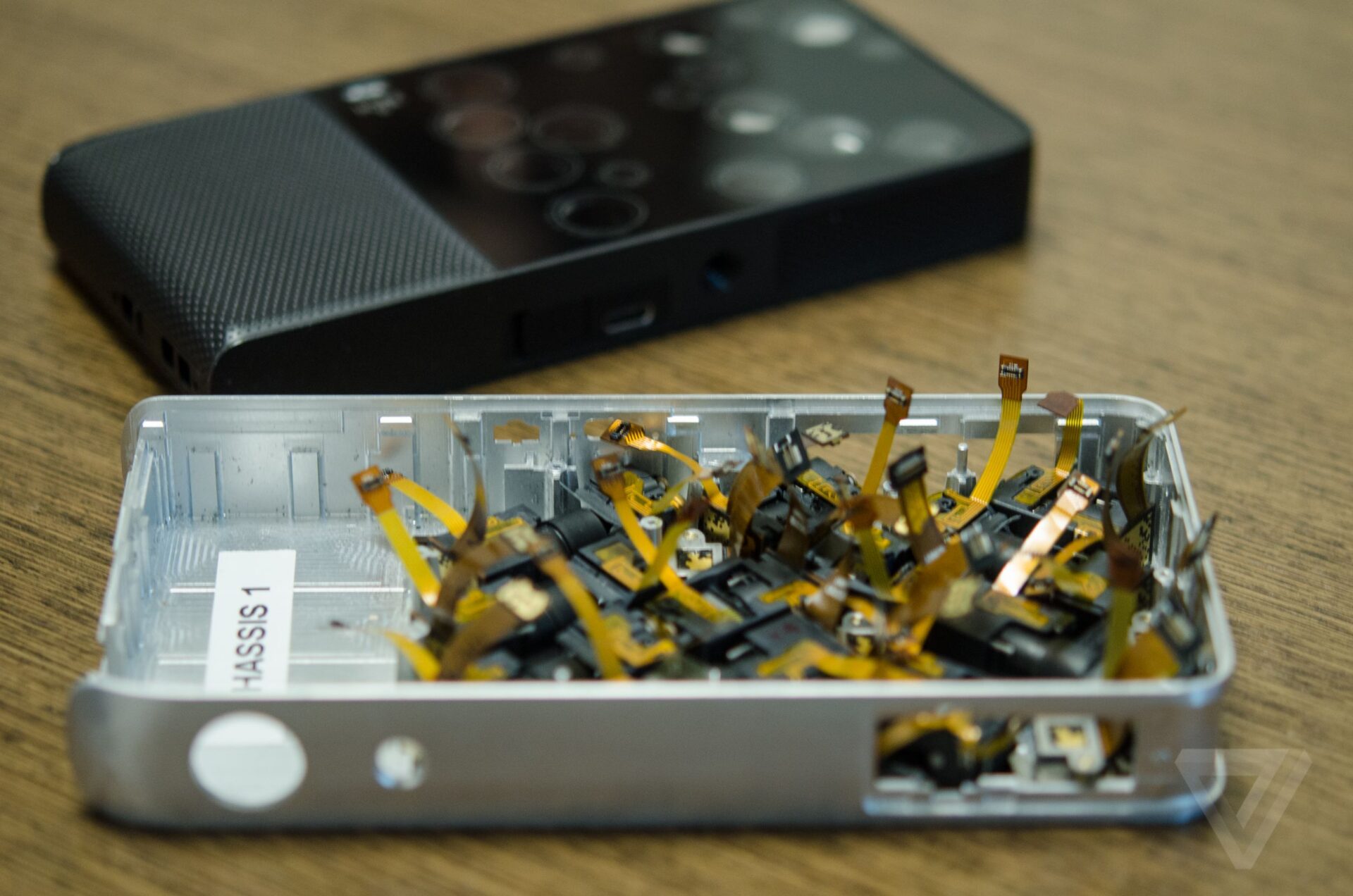 Figure 4: Internal hardware layout (Source: The Verge).
Thanks to modern microprocessors, while each individual 13-megapixel sensor is modest by itself, precise module orientation and heavy mathematical computation allow the system to output an astonishing 52 megapixels. (For comparison, the popular Sony A7R II tops out at 42.4 megapixels).
While detail resolution and exposure consistency are impressive, claims that it can replace professional DSLR and mirrorless camera systems should be taken with healthy skepticism.
At its core, the Light L16 is an automated point-and-shoot camera—one supercharged with quadruple the typical resolution. Meanwhile, traditional DSLRs and Mirrorless Interchangeable Lens Cameras (MILCs) still excel thanks to specialized interchangeable lenses tailored for varied creative tasks.
 Figure 5: Environmental portrait demonstrating realistic detail capture.
If a DSLR is a Swiss Army knife capable of crafting deeply nuanced artistic mood pieces, the Light L16 is more like a razor-sharp tactical blade: focused on capturing clear, factually accurate environmental information with minimal fuss. Each serves distinct market needs.
The Light L16 would suit documentation where fidelity is paramount, such as executive assistants documenting official daily itineraries. (That said, a pocket camera priced near USD $1,600 carries a substantial premium, and processing 52-megapixel image stacks requires a capable PC, representing a noticeable barrier to entry).
On a humorous note: does anyone else find the 16-lens cluster eerily reminiscent of the mutated monsters from Parasyte? More eyes certainly make for sharper vision!
 Figure 6: Japanese film “Parasyte”.
How to Purchase the Light L16
The Light L16 is currently open for pre-orders, with official shipping projected for summer 2016.
The regular retail price is USD $1,699 (approximately NTD $55,000). For pre-orders placed during October, the company offers an early-bird promotional price of USD $1,299, reflecting a $400 discount. Pre-orders are currently limited to US residents, so if you wish to secure early pricing, you will need assistance from friends residing in the United States.
Support Independent Perspectives & In-Depth Insights
Every thoughtful analysis and candid critique comes from our dedication to truth and quality. We choose not to follow sensational algorithms or clickbait headlines.
Sustaining independent research requires reader support. Make a one-time or monthly contribution, securely processed by Google.
Payments secured by Google · Manage or cancel anytime in your Google Account




Comments