
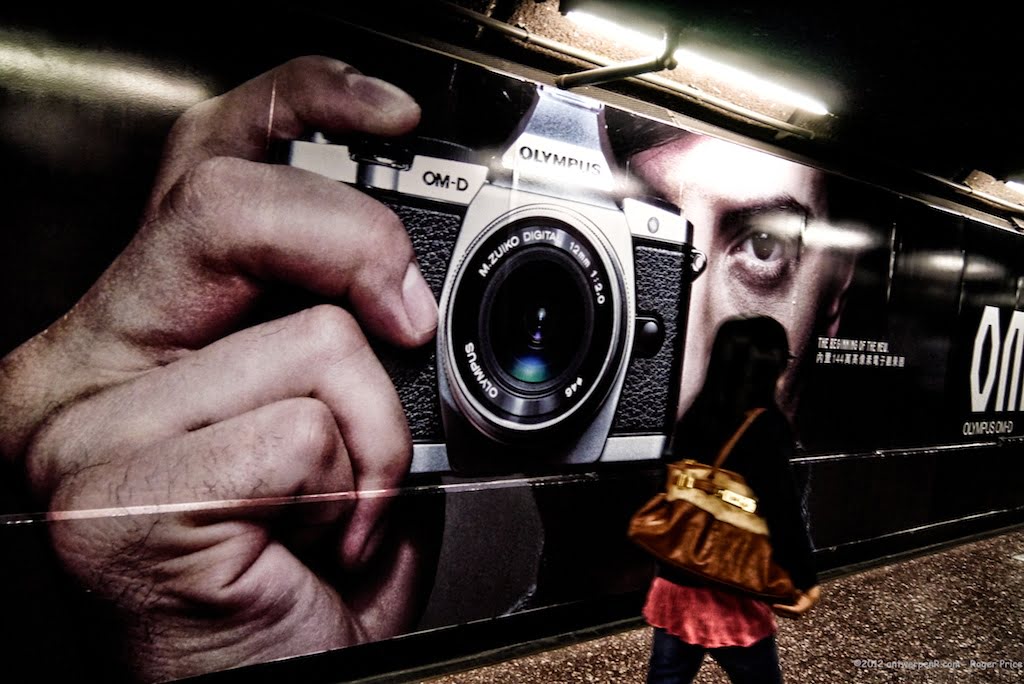
This coming weekend, the Taipei World Trade Center (Hall 3, No. 6 Songshou Rd., Taipei) will host the Taipei International Photography & Imaging Show, which is expected to draw photography enthusiasts from all over.
A close friend saw the news and wanted to take this opportunity to embark down the point of no return road of photography.
And so, she took this chance (inner voice: good grief, lying really doesn’t suit you) to ask me how a total beginner should purchase photography equipment and accessories—wanting a complete setup in one go, while keeping her budget strictly under control.
Put another way, she wanted discounts, bargains, and supreme cost-to-performance (C/P) value, coupled with high-end features and premium quality. Why not just ask for the moon while you’re at it? (flips table).
I won’t even mention her ideal budget here (shrugs).
After giving it careful thought, I decided to write this comprehensive guide. On one hand, it gives a beginner an accessible framework so she doesn’t end up bewildered; on the other, it gave me time to organize my thoughts more systematically and thoroughly.
When it comes to photography, there is no end to buying gear, but at the very least you can start by "**buying right**".
In short, this is an experience forged in sweat, tears, and an emptied wallet.
Reading Guide
In this guide, I divide photography equipment into two broad categories: "**Essential Gear**" and "**Technical Gear**".
Essential gear refers to the equipment a photographer must have.
Technical gear refers to supplementary shooting tools a photographer may have (optional accessories).
This categorization keeps things straightforward: Essential gear allows you to take photos; technical gear allows you to capture a broader variety of creative, intriguing photos.
Furthermore, I don’t believe gear is inherently superior or inferior, nor should price alone define equipment quality. Therefore, instead of traditional labels like entry-level, mid-range, and high-end, or low-cost versus high-end, I use “Tier 1” and “Tier 2” from lower to higher tiers to simplify purchasing decisions—even if tiering still loosely tracks pricing.
You might also come across "**Tier 3 Gear**", which primarily consists of flagship tools intended for specialized professionals, such as commercial wedding or travel documentary photographers.
I won’t actively promote specific camera bodies or brands here. Instead, I’ll mention popular gear frequently discussed by veteran photographers so you can easily research what best suits your needs.
Before Buying Photography Gear
Before reading further, please reflect on one fundamental question: “Why do I need to buy ______?”
Fill that blank with any piece of photographic equipment or accessory.
For instance, if you write “a camera”, the reason might be wanting to take stunning portraits of your girlfriend. Apply the same logic to everything else.
By thinking this through first, you can clearly distinguish whether you’re spending money on an impulse or fulfilling a genuine creative need (inner voice: says the person who bought a mountain of gear on impulse and now preaches restraint).
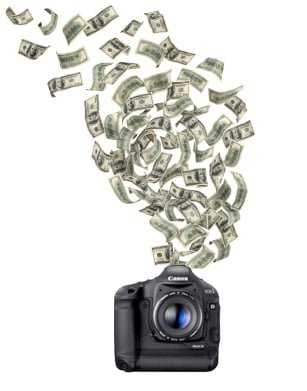 The shape of money
Essential Gear
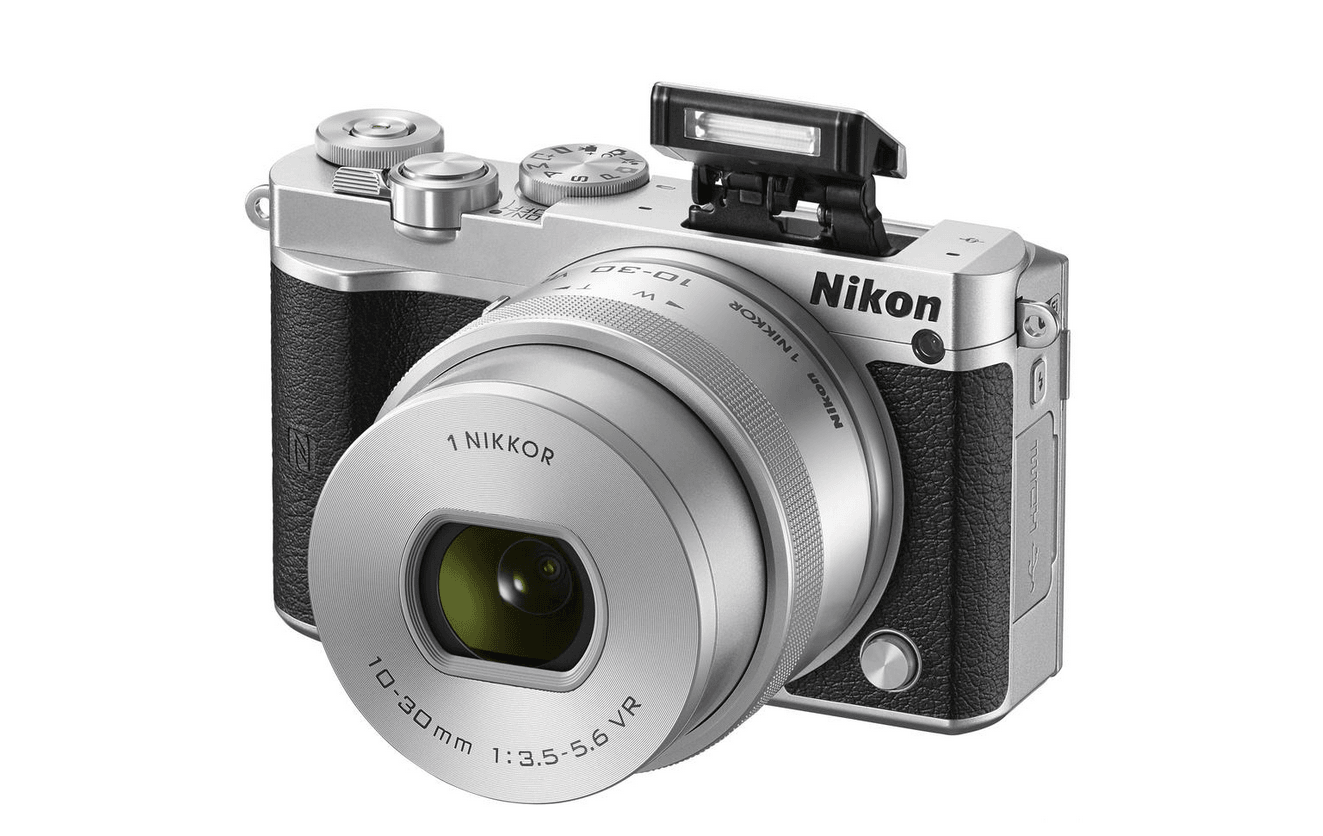
- Digital Single-Lens Reflex / Mirrorless Cameras, categorized into DX (APS-C crop sensor, where focal length must be multiplied by 1.5x for Nikon or 1.6x for Canon) and FX (Full Frame):
- Tier 1 (DX): Canon 700D, Nikon D5500
- Tier 2 (FX): Canon 5D Mark III, Nikon D810
- Tier 3: Nikon D4S
Lenses
- Prime Lenses (native brand lenses are generally recommended):
- 24 mm (Wide Angle)
- 35 mm (DX Standard Prime)
- 50 mm (FX Standard Prime)
- 85 mm (Portrait Prime)
- 300 mm (Wildlife / Telephoto)
Zoom Lenses
- Ultra-Wide Zoom:
- Tokina DX AF 11-16mm F2.8 II
- Standard Zoom:
- Tier 1: Tamron SP AF 17-50mm F/2.8 (B005)
- Tier 2: Nikon AF-S 24-120mm f/4G ED VR
- Tier 3: Nikon AF-S 24-70mm f/2.8G ED
- Telephoto Zoom:
- Tier 1: Tamron SP 70-300mm F/4-5.6 Di VC USD (A005)
- Tier 2: Nikon AF 80-200mm f/2.8D ED
- All-in-One Travel Zoom:
- Nikon AF-S DX 18-300mm f/3.5-6.3G ED VR
Memory Cards:
- 16GB cards are a common mainstream standard; too small fills up too quickly, while oversized cards increase data loss risk if corrupted.
- Toshiba FlashAir 16GB SDHC Class 10 Wi-Fi: A memory card featuring built-in Wi-Fi wireless transfer capability.
Technical Gear
- Specialty Lenses:
- Tilt-Shift Lenses: Used for architecture, product shoots, and perspective control to prevent keystoning and geometric distortion.
- 500 mm, 1000 mm+: For birding and astrophotography.
Flash Units
- Tier 1: Nissin Di700 Flash (Nikon, Canon)
- Tier 2: Canon Speedlite 600EX-RT, Nikon Speedlight SB-910
Filters: Protective filters, circular polarizers (CPL), neutral density (ND) filters, etc. Glass quality varies significantly by manufacturer (often the most unforgiving distinction among camera gear).
- Tier 1: Marumi, Hoya
- Tier 2: B+W, Hoya HD
Adapter Rings: Step-up/step-down rings for different filter thread sizes, reverse rings for macro work.
Tripods: Indispensable for long exposures, bulb mode, landscapes, HDR, and time-lapse photography.
- Tier 1: Manfrotto MT190XPRO3 Aluminum Tripod
- Tier 2: Manfrotto MT190CXPRO3T Carbon Fiber Tripod
Ballheads / Tripod Heads: The rotating platform mounted atop a tripod where the camera attaches. Often sold as a kit, but can be purchased separately.
- Manfrotto 496RC2 Ball Head
Battery Grips: Many third-party grips perform reliably well. If budget is a constraint, third-party options offer solid value.
Shutter Release Cables: Essential for bulb exposures, burst shooting, landscapes, HDR, and time-lapses. Available as traditional mechanical cable releases (mostly for vintage cameras) and electronic remote switches.
Remotes:
- Wireless flash triggers
- Wireless shutter remotes
GPS Loggers
Lens Hoods (Essential for shielding glare in bright sunlight and controlling flash flare)
Lens Caps
Studio Lighting & Backdrops
Camera Bags
- Backpacks (Comfort-oriented):
- Tier 1: Vanguard UP-Rise 45 II
- Tier 2: KATA MTP-120 Pro-light
- Shoulder Bags (Accessibility-oriented):
- Tier 1: National Geographic Africa Series (NG A2540)
- Tier 2: Billingham 445 Canvas Shoulder Bag
- Holster Bags: Compact and swift, but limited in capacity.
- Protective Camera Inserts: Fits into your favorite everyday bag or hiking pack.
Card Readers: Minimizes physical plugging and unplugging of the camera’s USB port, protecting delicate internal circuitry.
Portable Hard Drives: For backing up files while traveling.
External Microphones: For video recording.
Backup Batteries:
- AA/AAA Alkaline batteries
- Lithium-ion batteries: For flashes and battery grips.
Straps:
- Neck and shoulder straps
- Wrist straps
Cleaning Supplies (If dust lands on the sensor, professional service is recommended):
- Air blower: Whatever the cleaning task, always blow away loose grit first.
- Soft-bristled brush
- Lens cleaning pen
- Lens cleaning tissue: Fold diagonally into a sharp point, apply a drop of fluid, and gently wipe.
- Microfiber / Chamois cloth
- Optical cleaning solution
- 95% Alcohol[2]
Dry Cabinets / Desiccator Cases:
- Tier 1: Airtight sealed container with regularly replaced silica gel desiccants.
- Tier 2: Electronic humidity-controlled dry cabinet (target relative humidity around 45% ± 10%).
Essential Photography Reference Books:
- National Geographic: Ultimate Field Guide to Photography
- National Geographic: Ultimate Field Guide to Landscape Photography
- National Geographic: Ultimate Field Guide to Travel Photography
- National Geographic: Ultimate Field Guide to Family Photography
- Photojournalism: 150 Years of Outstanding Press Photography
- Nude Photography: The Beauty of the Human Form & Lighting Techniques
- National Geographic: The Photographs
Further Reading
- Dream Wishlist: The Blood and Passion Wishlist of Photography Equipment.
- 75% Rubbing Alcohol: How to Prepare the Correct Concentration of Disinfectant Solution (Using 90% and 95% Alcohol).
- Originally published on October 18, 2012.
Disclaimer
This guide is written based on subjective personal experience and might exhibit personal biases. Constructive feedback from veteran photographers is always welcomed to benefit our readers.
Content is updated periodically based on real-world conditions and new product releases.
Readers should verify technical details with official manufacturer specifications before making purchase decisions. This site does not guarantee the immediate real-time accuracy of listed products.
Having shot primarily with Nikon systems, my gear commentary may lean naturally toward the Nikon ecosystem—which is why I avoid over-emphasizing single product lines.
Support Independent Perspectives & In-Depth Insights
Every thoughtful analysis and candid critique comes from our dedication to truth and quality. We choose not to follow sensational algorithms or clickbait headlines.
Sustaining independent research requires reader support. Make a one-time or monthly contribution, securely processed by Google.
Payments secured by Google · Manage or cancel anytime in your Google Account

Comments