
When selecting everyday travel accessories for trips abroad, I never believe there is a single “universally best” piece of gear; what works wonders for me may clash completely with someone else’s habits.
Yet today, seeing a friend enthusiastically share a trendy “multi-functional passport organizer” designed by an indie creator, years of backpacking experience allowed me to conclude in under three seconds: this is a terrible design that is hostile to passports and introduces tremendous travel risks.
My friend’s promotional pitch on social media read: “Holds your phone and passport, doubles as a wallet—three wishes granted at once!”
Oh no! From those few words alone, you can tell the designer lacks respect for real-world travel security. Shoving your smartphone and passport into the same pouch is a cardinal sin of anti-theft defense—it is the equivalent of placing all your trip’s eggs into one basket and tossing it straight into a pack of foreign thieves and pickpockets.
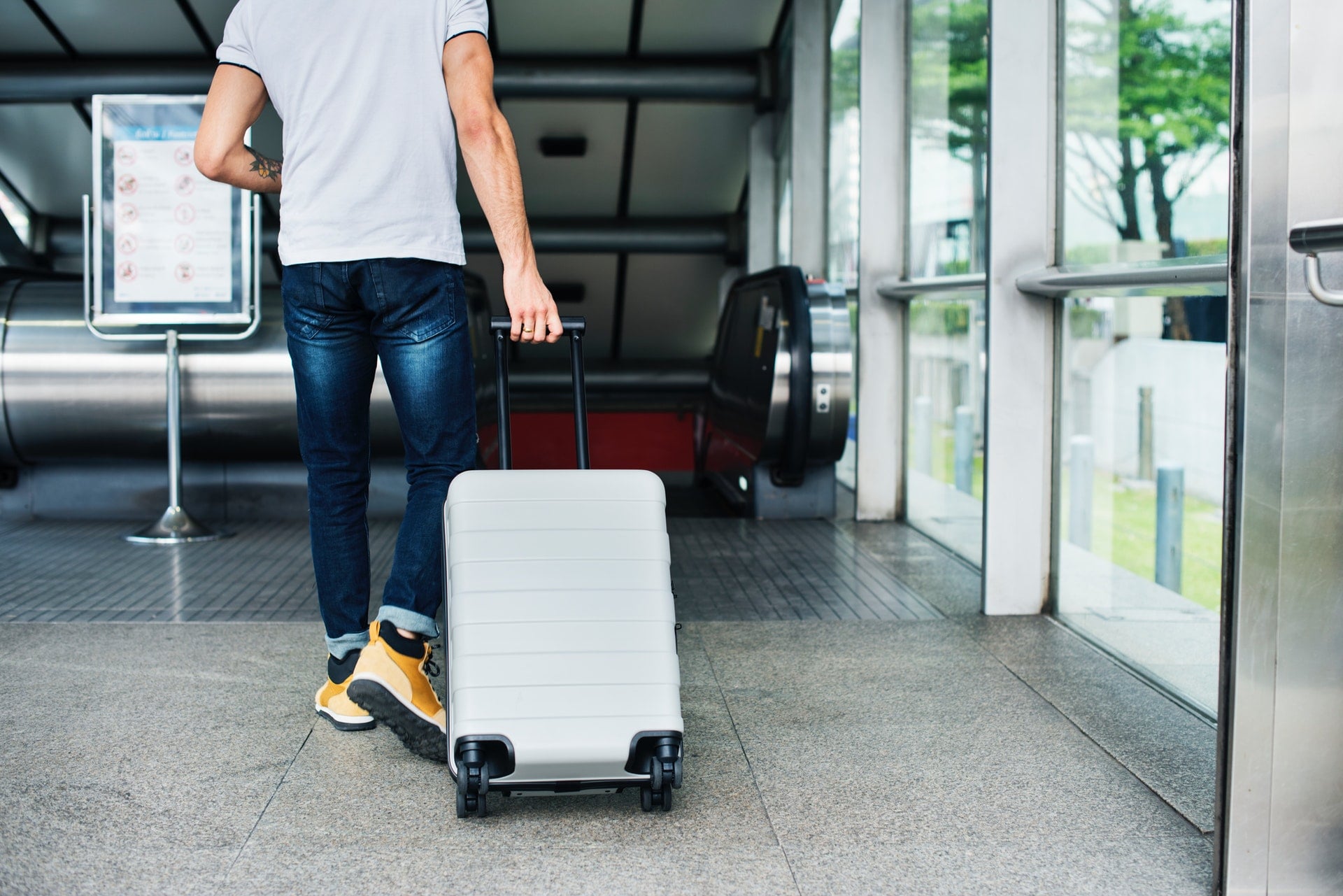
The Fatal Blind Spot: Polar-Opposite Usage Frequencies
Reflect on your past overseas travels and think about the frequency and contexts in which you actually retrieve and use your belongings:
- Smartphone: The single “highest-frequency” item on your person. Checking Google Maps, snapping scenic photos, texting friends, looking up transit schedules—you pull it out dozens or even hundreds of times a day.
- Passport: The “lowest-frequency” yet most irreplaceable document of the entire trip. Outside of airport check-in, immigration border gates, hotel check-ins, and the occasional tax-refund desk, you have zero reason—and zero business—whipping it out in public.
Crucially, because the Republic of China (ROC) passport enjoys visa-free or visa-on-arrival entry to over 160 countries and territories worldwide, it remains a prized commodity on international black markets. In foreign cities where public safety can be complex, your top priority is keeping your passport and emergency reserves invisible, tucked away in the most secure, concealed spots next to your body.
Yet this supposedly thoughtful multi-functional cover binds the most frequently retrieved smartphone directly to your passport and wallet, which demand the highest discretion.
Every time you pull out your phone in a packed subway car or bustling street market to check directions or take a photo, you broadcast to every lurking thief: “Look here! My passport, cash, and all credit cards are right in this single bundle!” If snatched or pickpocketed, you lose everything in one fell swoop, leaving you without even a phone to call for help.

Examining Common “Passport Cover Design Traps” on the Market
Beyond cramming smartphones and passports together, market shelves are filled with bulky designs that seem luxurious but prove impractical:
Trap 1: Massive and Clunky “All-in-One Long Wallets”
Many brands boast endless compartments and card slots, resulting in a passport holder thicker than a pocket dictionary. Stuffed into a pocket, it bulges uncomfortably; in a backpack, it becomes an obvious target. Worse, it encourages travelers to consolidate all their valuables in one place, completely defying the foundational rule of “diversifying risk.”
Trap 2: Ultra-Tight, Rigid Leather Sleeves
Many leather crafters emphasize tight hand-stitching, making passport interior slots exceptionally stiff. However, border control counters and automated e-gates in almost every country strictly require removing the passport cover entirely for optical and chip scanning. If your passport is jammed into a sleeve requiring brute force to yank out, struggling flustered and sweating before the border officer not only delays the queue, but risks bending the cover or damaging the delicate internal RFID chip.
Trap 3: Flashy Luxury Brand Cases
Prominent luxury logos or ostentatious styling are an open invitation to opportunists on city streets where petty crime thrives.
Returning to Essentials: How to Choose a Genuinely Travel-Friendly Passport Cover
What kind of passport protection do experienced backpackers actually favor?
1. Minimalist, Slim, and “Instantly Removable”
A passport cover’s core function is straightforward: shielding thin front and back covers from sweat, rain, or edge fraying caused by backpack friction. The ideal cover is soft, slim, and lightweight (even a quality matte clear sleeve works brilliantly). It adds zero bulk, slides off effortlessly with one thumb in two seconds before immigration scanners, and slips back on just as easily.
2. Rigorously Implement Tiered Valuables Management
Never trust the lazy “one pouch solves everything” mindset. Layer your gear and funds strategically:
- First Line (High Frequency): Smartphone kept in a secure, anti-theft pocket or attached to an anti-drop/anti-grab lanyard.
- Second Line (Daily Expenses): Small cash for daily expenses and a transit card in a compact coin purse.
- Third Line (Lifeline Assets): Passport, high-denomination emergency cash, and backup credit cards housed in a slim sleeve, tucked into an undercover money belt beneath clothing or securely locked in your hotel room safe.
3. RFID-Blocking Protection
Modern passports worldwide are electronic passports (ePassports) with embedded microchips storing biometric data. Choosing a slim sleeve constructed with RFID-blocking material helps prevent unauthorized skimming of personal data via close-range scanning devices.
Conclusion
Great outdoor or travel gear is not measured by how many features are crammed into it, but by whether it solves the real needs and hazards of the actual journey.
Your passport is your sole proof of nationality and identity in foreign lands. Giving it a clean, simple, low-profile sleeve that removes in a snap, and tucking it securely close to your body, is the true mark of a seasoned traveler!
Support Independent Perspectives & In-Depth Insights
Every thoughtful analysis and candid critique comes from our dedication to truth and quality. We choose not to follow sensational algorithms or clickbait headlines.
Sustaining independent research requires reader support. Make a one-time or monthly contribution, securely processed by Google.
Payments secured by Google · Manage or cancel anytime in your Google Account

Comments