
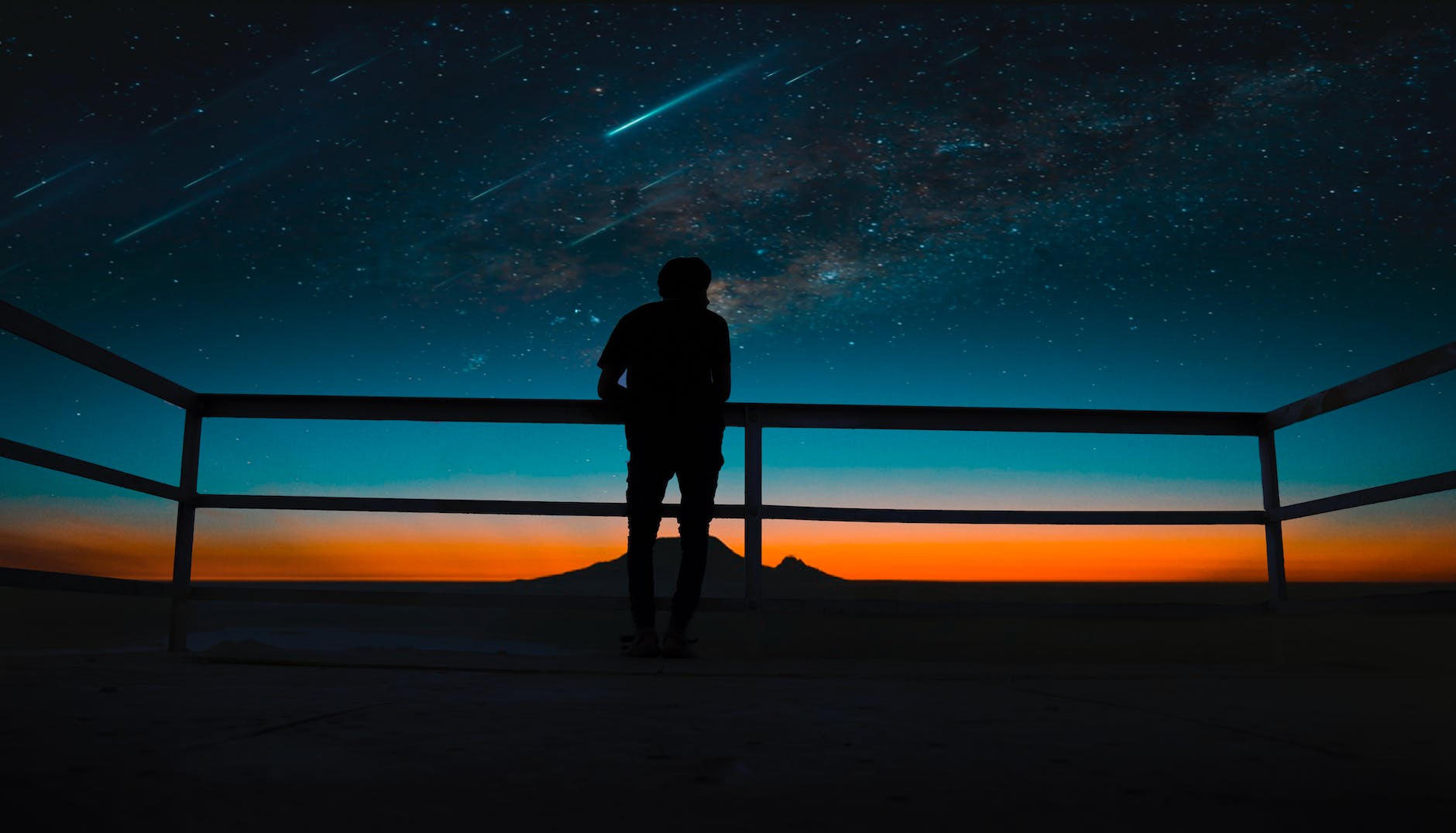
Every autumn, celestial observers are treated to one of the night sky’s most anticipated spectacles: the annual Orionid meteor shower. Originating from debris left behind by Halley’s Comet, this celestial showcase paints fleeting, brilliant streaks of light across the autumn canopy. If you are eager to witness this cosmic wonder, here is your definitive field guide to catching the Orionids.
Vedfolnir invites you to step outside and gaze upward. This year’s activity window spans from October 2 through November 7, with the peak occurring overnight on October 21–22, producing an estimated zenithal hourly rate of around 20 meteors under optimal conditions. Below are our top practical recommendations to maximize your stargazing experience:
- Time Your Observation Perfectly
- Escape Urban Light Pollution
- Seek Unobstructed Horizons
- Prepare the Right Gear and Stargazing Essentials
Time Your Observation Perfectly
Timing is everything when tracking meteor showers. While the shower remains active across several weeks, the peak window unfolds from the late evening of October 22 (around 11:00 PM) through the predawn hours of October 23 (around 5:30 AM).
During this quiet window when the radiant point in the constellation Orion climbs high above the horizon, your chances of catching up to 20 fast-moving meteors per hour are highest.
Escape Urban Light Pollution
Artificial light is the foremost adversary of any stargazer. Glare from streetlights, commercial signage, and ambient city glow severely degrades night sky contrast, washing out faint meteors entirely.
To see the Orionids in their full glory, venture well beyond the city limits into rural or coastal dark-sky zones. If traveling outside town is impractical, seek out urban parks, open sports grounds, or rooftops shielded from direct streetlights. Urban light pollution can reduce visible meteor counts to near zero, turning an otherwise dazzling night into disappointment.
Seek Unobstructed Horizons
Meteors can streak across any quadrant of the sky, not just directly from the radiant point. Finding a viewing spot with broad, open 360-degree visibility dramatically increases the number of meteors you will spot.
Avoid locations hemmed in by tall buildings, dense tree canopies, or steep ridgelines. Wide-open beaches, high elevated viewpoints, and rural meadows provide superior vantage points. Bring along a reclining camping chair or insulated ground mat so you can recline comfortably without straining your neck, along with a thermos of hot tea or coffee to keep warm during chilly autumn nights.
Prepare the Right Gear and Night Photography Essentials
While your naked eyes are the best tool for spotting meteors across wide swathes of the sky—since binoculars and telescopes restrict your field of view—photography gear allows you to preserve the memory forever.
If you plan to capture the meteors, bring a DSLR or mirrorless camera equipped with a fast, wide-angle lens (f/2.8 or wider), a sturdy tripod, and an intervalometer or shutter release cable. Set your camera to shoot continuous long exposures (15 to 25 seconds at high ISO). Crucially, carry spare batteries and keep them warm in an inside pocket, as autumn night chills drain camera battery life rapidly.
The annual Orionids are well worth waiting for. By heading to dark skies, planning around peak hours, and staying warm, you will enjoy an unforgettable communion with the cosmos. Pack your gear, invite your stargazing companions, and join us in marveling at the wonders of the night sky!
Support Independent Perspectives & In-Depth Insights
Every thoughtful analysis and candid critique comes from our dedication to truth and quality. We choose not to follow sensational algorithms or clickbait headlines.
Sustaining independent research requires reader support. Make a one-time or monthly contribution, securely processed by Google.
Payments secured by Google · Manage or cancel anytime in your Google Account




Comments