
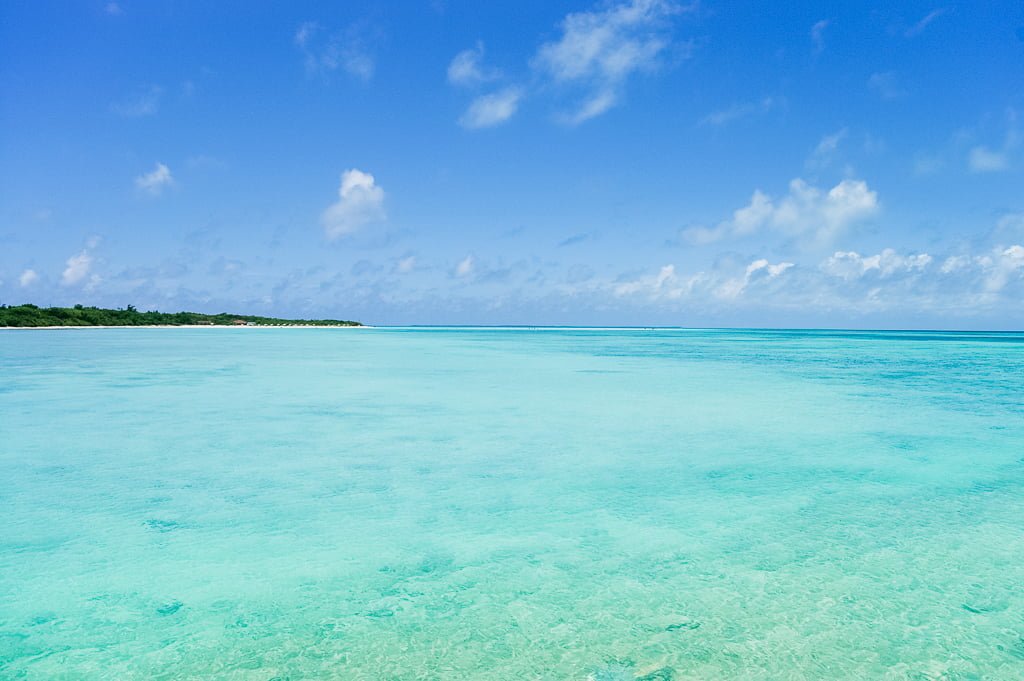
Situated in a subtropical climate zone, Okinawa is known for warm, humid weather and substantial precipitation, averaging over 2,000 millimeters of rainfall per year. While Okinawa conjures idyllic images of endless blue skies and turquoise waters, its oceanic island geography makes the weather remarkably dynamic. In reality, days where temperatures exceed 35°C (95°F) are surprisingly rare. Moreover, winter temperatures seldom dip below 10°C (50°F), making the islands comfortably mild throughout the entire year.
However, each season demands different preparations and attire. Understanding Okinawa’s distinct climate patterns will help you plan a smooth and stress-free itinerary.
Temperature Characteristics in Okinawa
In recent years, extreme climate patterns and the urban heat island effect have pushed summer temperatures across mainland Japan to historic highs. Because of this, it is easy to understand why people sometimes say, “spend midsummer in Okinawa to beat the heat.”
- Summer: Although the subtropical sun is intense, steady ocean breezes keep daytime highs in check, meaning scorching days above 35°C are relatively uncommon.
- Winter: While winter temperatures rarely drop below 15°C (59°F), strong seasonal northerly winds make the perceived temperature considerably colder than what the thermometer reads. A reliable windproof jacket is an absolute packing must.
Annual Temperature Comparison: Naha vs. Taipei
Okinawa experiences relatively modest seasonal temperature swings. It features a prolonged summer, while transitional spring and autumn seasons are noticeably brief.
As temperatures rise in March, sea surface temperatures warm steadily. However, the ideal season for swimming and beach activities kicks off in May, extending all the way through late October.
Data Sources:
- Japan Meteorological Agency, Climate Statistics (1981–2010 Averages)
- Central Weather Administration (Taiwan), Taipei Observatory Records (1971–2000 Averages)
Precipitation and Rainy Season (Tsuyu)
The wettest periods in Okinawa fall during the early summer rainy season (May to June) and the late summer typhoon season (August to September).
With annual precipitation exceeding 2,000 mm, Okinawa ranks 8th highest in rainfall among Japan’s 47 prefectures (Kochi Prefecture ranks first at 2,547 mm, while the national average stands at 1,610 mm). This reality often surprises visitors expecting unbroken tropical sunshine. Even in winter, gray days with rainfall surpassing 100 mm are not uncommon.
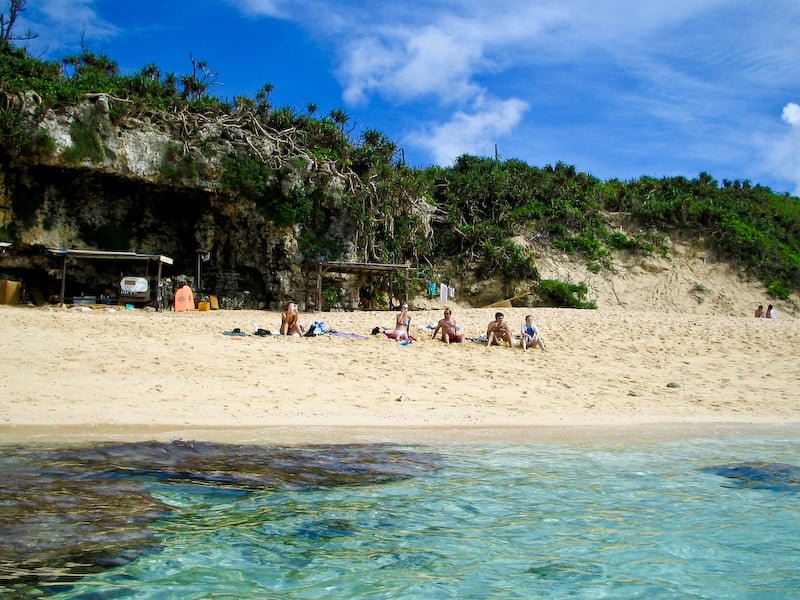
Characteristics of Okinawa’s Rainy Season
Despite its balmy subtropical warmth, Okinawa sees considerably more precipitation during its rainy season than mainland hubs like Tokyo.
| Region | Rainy Season Start (Approx.) | Rainy Season End (Approx.) |
|---|---|---|
| Okinawa | Around May 9 | Around June 23 |
Once the rainy season concludes in late June, Okinawa transitions into peak summer with prolonged stretches of brilliant sunny days. While sudden afternoon convective showers do occur, they differ distinctly from the localized torrential downpours (“guerrilla rainstorms”) common in urban mainland Japan; showers usually pass within minutes, which is why people often remark that “Okinawans never bother opening umbrellas.”
Navigating Typhoon Season
Okinawa is renowned for typhoon activity. Many tropical cyclones that form in the warm waters of the southern Pacific track directly toward the Ryukyu archipelago.
Because ocean temperatures around Okinawa remain high, typhoons rarely lose steam as they approach; many intensify further, unleashing severe gales and torrential rains. For travelers, typhoons disrupt more than just inbound and outbound flights—they routinely shut down ferry services between the main island and outer archipelagos. Keeping a close eye on tropical weather forecasts during late summer and autumn is critical.

Typhoon Frequencies and Safety Advice
Of the roughly 25 to 26 typhoons that develop in the western Pacific each year, around seven to eight approach the Okinawa region.
- Peak Months: August experiences the highest typhoon frequency, though tropical cyclones can form as early as May and continue into September and October, bringing two to three storm approaches per month.
- High-Risk Zones: Miyakojima and the Yaeyama Islands (including Ishigaki) lie directly along common storm paths and are statistically more vulnerable to direct hits and heavier damage than Okinawa Main Island.
- Safety Measures: If a typhoon hits during your vacation, remain indoors at your hotel or accommodation under all circumstances. Even after the eye of the storm passes, beware of violent returning wind gusts (“reversal winds”) before stepping outside. Furthermore, because rough ocean swells require several days to subside, outer-island ferry suspensions often last longer than expected. Always prepare contingency plans and backup indoor activities.
Support Independent Perspectives & In-Depth Insights
Every thoughtful analysis and candid critique comes from our dedication to truth and quality. We choose not to follow sensational algorithms or clickbait headlines.
Sustaining independent research requires reader support. Make a one-time or monthly contribution, securely processed by Google.
Payments secured by Google · Manage or cancel anytime in your Google Account


Comments