

To boost corporate profitability, global streaming giant Netflix has been rolling out measures to crack down on password sharing across households—preventing friends and extended family living under different roofs from sharing a single standard account.
For instance, my family shares an account, but my brother lives a few blocks away. Like many others, we have been anxiously waiting to see how strictly the crackdown will be enforced. But while Netflix’s official enforcement had not yet reached us, the massive media coverage surrounding the password-sharing crackdown created a golden opportunity for cybercriminals: a phishing email impersonating Netflix landed straight in my inbox.
The email arrived with the subject line “Your Suspension Notification,” containing the following poorly translated message:
Hi,
We could not verify your billing information for the next subscription cycle. If we do not receive your response within 48 hours, we will suspend your membership.
Obviously, we’d love to have you back. Simply click to reactivate your membership to update your details and continue watching without interruption.[Reactivate Membership]
We are here to help whenever you need. Visit the Help Center for more information or contact us.
Examining the email header reveals obvious telltale signs of a scam:
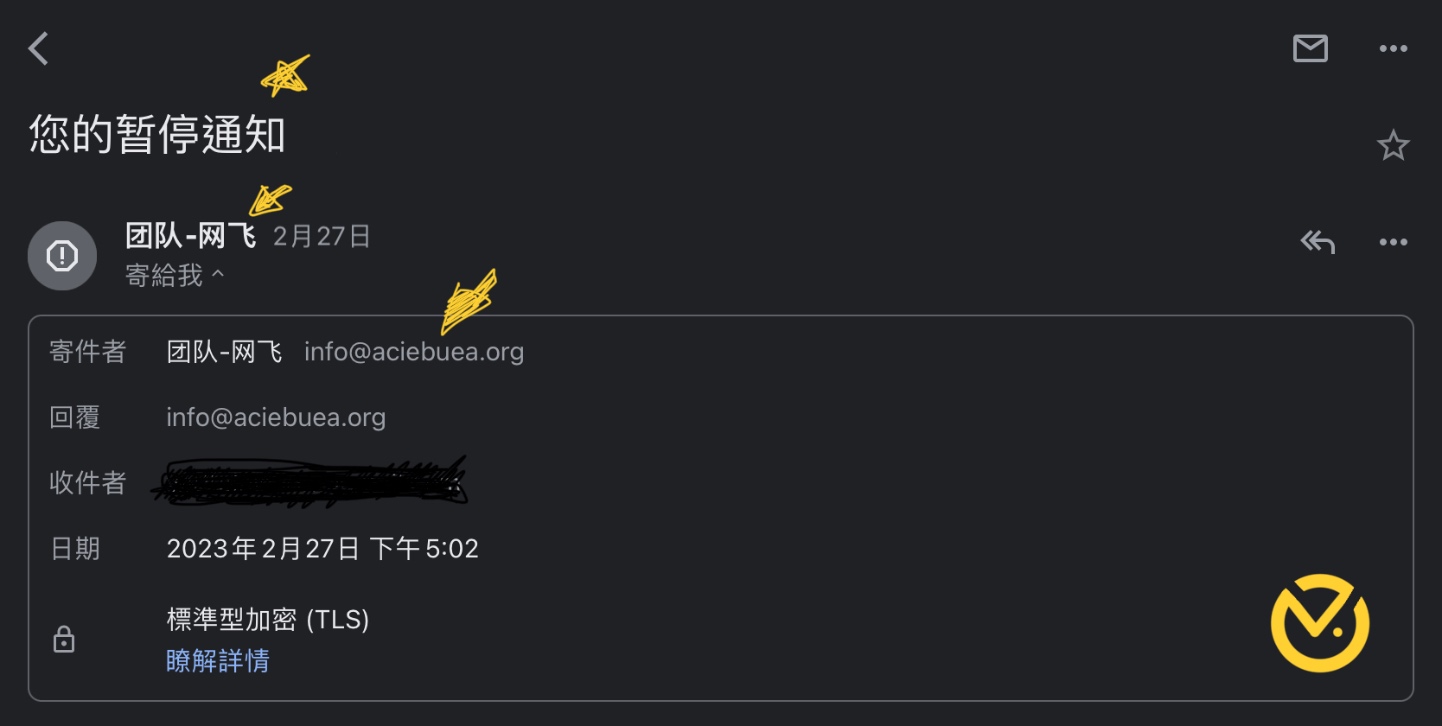 Phishing email header details
To be frank, this particular attempt is remarkably amateurish. The scammers did not even bother spoofing or mimicking an authentic Netflix domain (netflix.com); they simply fired off the blast from an entirely unrelated random domain. Anyone with basic vigilance can spot it immediately.
Furthermore, clicking the “Reactivate Membership” button merely redirects to a crude credential harvesting page (such as a fake Outlook WebMail login portal designed to steal usernames and passwords). Readers accustomed to basic cybersecurity best practices are unlikely to fall for such a trap.
However, inspecting the embedded phishing link reveals an important technical detail worth noting:
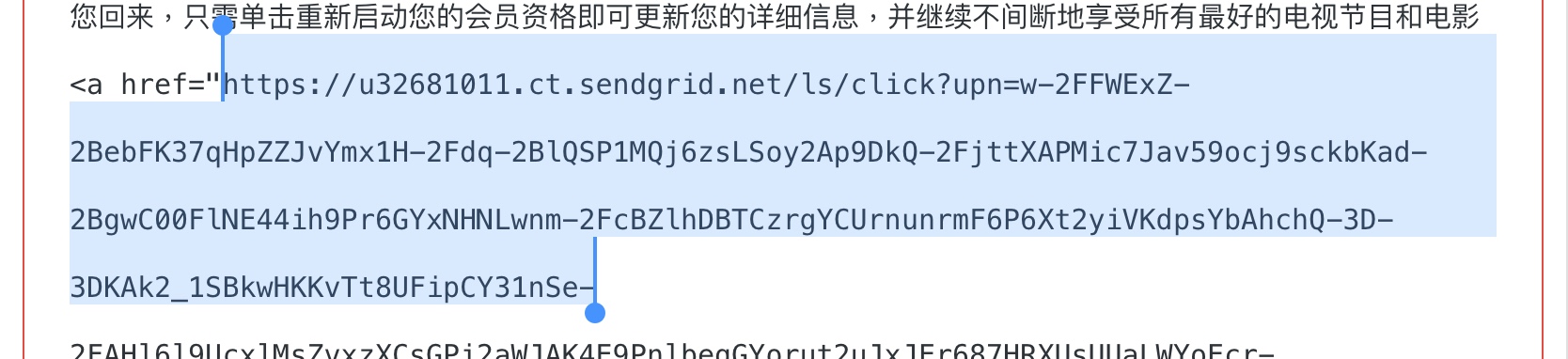 Dissecting the phishing URL
The attackers abuse legitimate email infrastructure—in this instance, “SendGrid.net” link tracking—to bypass spam filters and deliver their malicious redirects. Global cybersecurity agencies have repeatedly issued warnings about this tactic.
A notable hazard of tracking links is that merely opening the email or clicking through can immediately beacon back telemetry data to the scammers, confirming that your email address is active and responsive.
In summary, spotting fraudulent emails involves checking several red flags: the sender’s actual email address and domain, awkward phrasing or unnatural urgency in the subject line and body text, and deceptive calls-to-action urging you to click external links.
Whenever you encounter emails like this, the safest course of action is simple: do not click anything, and delete the message immediately.
Support Independent Perspectives & In-Depth Insights
Every thoughtful analysis and candid critique comes from our dedication to truth and quality. We choose not to follow sensational algorithms or clickbait headlines.
Sustaining independent research requires reader support. Make a one-time or monthly contribution, securely processed by Google.
Payments secured by Google · Manage or cancel anytime in your Google Account

Comments