
Today on Facebook, I saw a netizen named J.j. Sha [1] mention that Australia’s Blue Mountains National Park does not ban the public from getting close to nature, using this example to criticize the forest closure and mountain permit policies implemented across Taiwan in recent years. Here is J.j. Sha’s full Facebook post for reference:
In Australia’s Blue Mountains National Park, a sign is erected at the entrance of river tracing (actually canyoning) routes, informing visitors of the trail’s difficulty, entry/exit paths, highlights, and advising that one should be trained or hire a guide. However, it simply will not prohibit you! Nor is any permit required at all. Why on earth do national parks in Taiwan ban river tracing and rock climbing? Aren’t national parks meant to be places for citizens to recreate, exercise, and get close to nature?
Mizuc knows that people naturally gravitate toward comparing situations using the specific rules they happen to prefer. Mizuc has also visited several national parks overseas and understands that each jurisdiction has its own set of rules. However, if the author were willing to look deeper into the environmental differences between these regions, they would realize that most of those overseas parks are vast, sparsely populated expanses. Walking for half a day, you might only encounter a handful of backpackers. Comparing them to the terrain in Taiwan Province, they are essentially the equivalent of the Erziping Trail magnified tens of times over.
Furthermore, people in foreign countries don’t simply swing through the forest on vines all day long. As everyone knows, what makes advanced nations admirable is that their citizens largely possess a foundational spirit of the rule of law, and those venturing deep into mountains and forests generally possess essential wilderness survival knowledge! At the very least, I have never seen a woman in foreign backcountry wearing high heels on a mountain trail (even if it was just an unpaved nature trail, I have seen exactly that here in Taiwan! Whining coyly with every step).
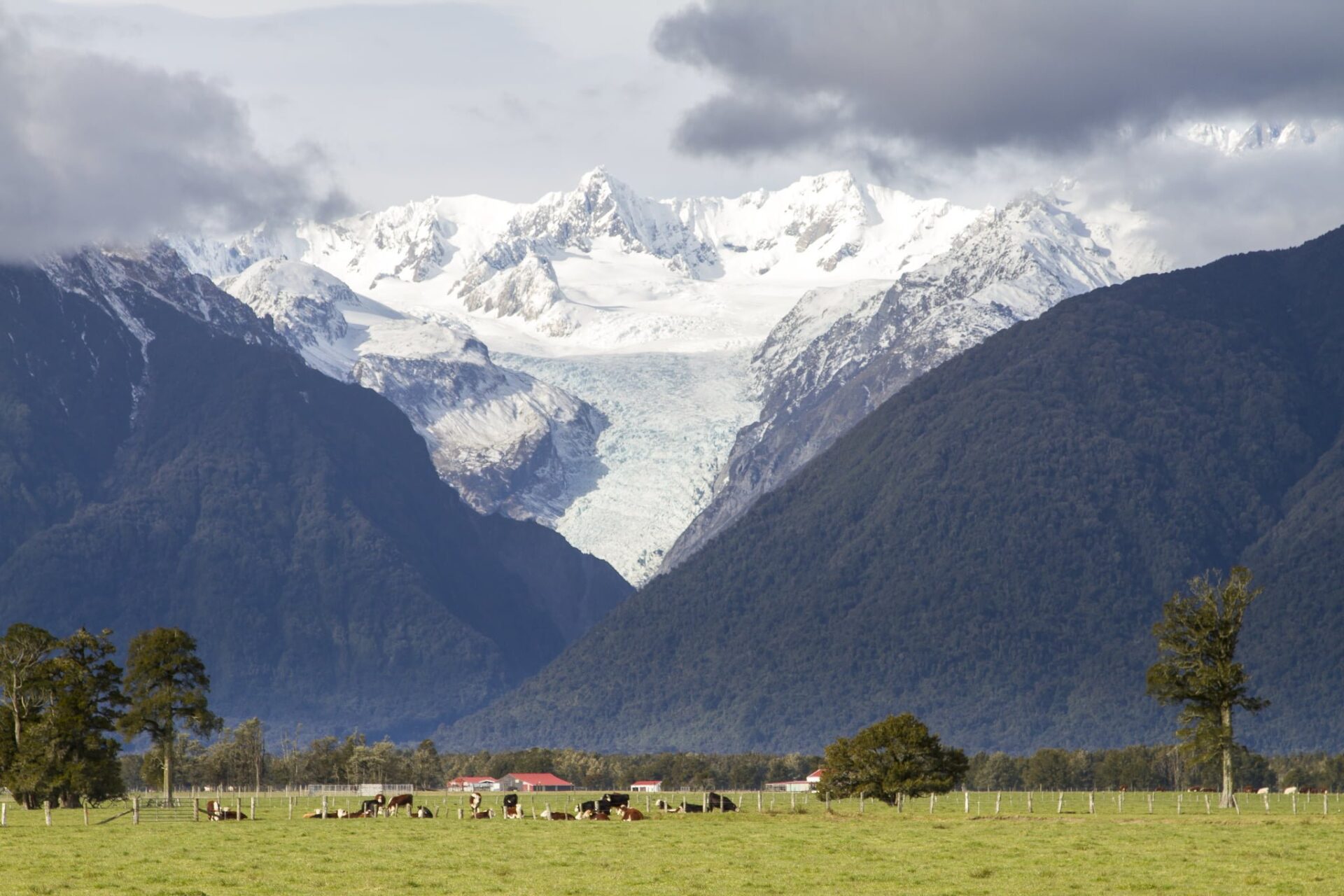
Moreover, many countries that appear completely unregulated actually enforce their own management frameworks. For example, in New Zealand and Japan, submitting a mountain climbing registration is “required” on intermediate-to-high difficulty routes to prevent people from getting lost without anyone knowing. In our eyes, these may not look like draconian compulsory laws, but you are expected to comply with their requirements—and that is the difference. To be frank, in Taiwan, “the majority of people” only follow the rules when forced to do so by mandate. Even now, under mandatory regulations, there are still individuals who deliberately exploit loopholes or even forge identities to lead clients into unregistered, forbidden routes.
In Taiwan, even people with zero mountaineering experience can simply pay money to join a commercial group to climb the Baiyue (100 Peaks). Then, right before departure, they post coquetting updates on Facebook saying how scared they are, drooling like an old hound and handing total responsibility for their own lives over to others. Does no one find this utterly ridiculous?
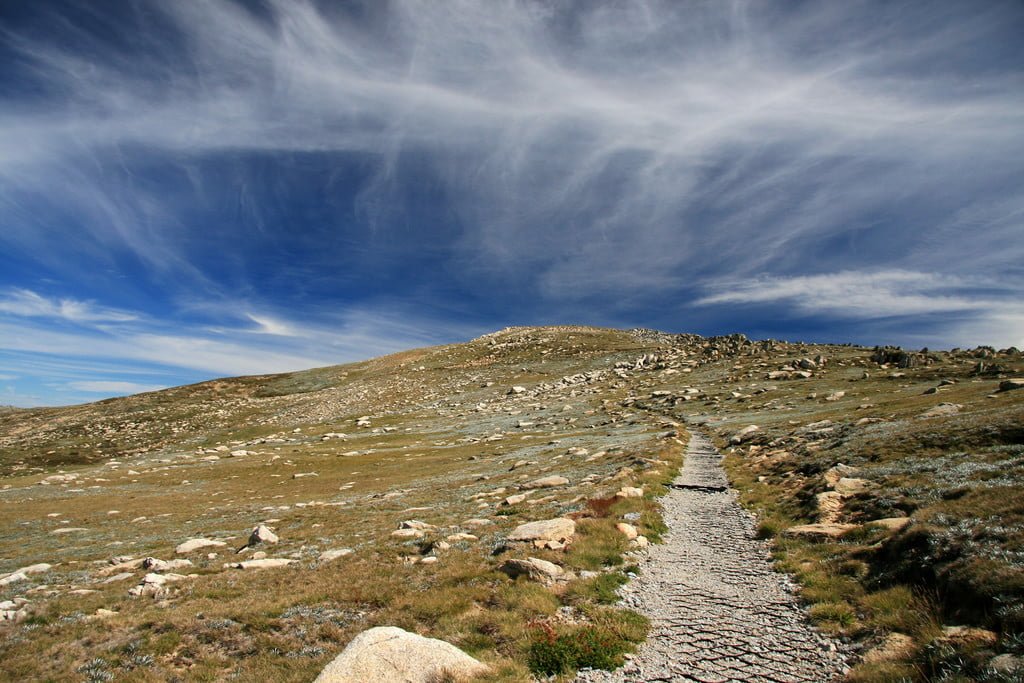
Mizuc has also had permit applications held up when applying to enter domestic mountain areas. Nevertheless, I believe that capping numbers through permits remains an inevitable measure at this stage. Looking at several major peaks in Southeast Asia, they not only cap visitor numbers but also charge hefty climbing fees, and some strictly mandate that you hire local guides before climbing. Shouldn’t we include those regulations in the comparison as well?
With as many countries as there are in the world, there are countless cultural norms and geographic conditions. It is easy to pick a rule you like from abroad. But next time you feel inclined to say the grass is greener on the other side, remember to consider whether it fits our own reality from a broader, structural perspective. Only then can our public discussions move toward meaningful consensus.
By the way, Australia’s highest peak is “Mount Kosciuszko”, with an elevation of 2,228 meters. Compared to mountains in Taiwan, this only qualifies as an intermediate mountain (mid-level peak), and its difficulty is roughly like Yangmingshan doubled. Outside the snow season, one could probably summit wearing sports sandals. That is why many Australian professional mountaineers head to New Zealand’s South Island for rigorous training. Perhaps that is why Australia doesn’t feel the need to impose heavy restrictions on its mountains, wouldn’t you say!? (Besides, visitors might still need to file paperwork with park authorities; it simply wasn’t spelled out in big letters on the specific billboard J.j. Sha saw!)
I do not personally endorse the current model of forest management in Taiwan either. However, in an atmosphere where the general public harbors little sympathy for mountaineers in distress, and if the government lacks the capacity to devise an effective management model tailored to local conditions, the current system might be the only workable compromise for now. To borrow a famous saying: whether a cat is black or white, if it catches mice, it is a good cat. Friends who have thoughts on mountain and forest regulations are welcome to leave comments below so we can share perspectives!
Reader Q&A
Citing the German Autobahn to Argue That Access to Nature Is an Inalienable Absolute Human Right? (Reader Liu Zheng-long)
Reader Liu Zheng-long commented:
In Germany, driving mostly has no speed limit; people drive as fast as they can, and nobody thinks it’s strange. In Taiwan, having lived under restrictions for so long, people naturally assume they cannot freely head to the sea or mountains… Loving nature is a human right, and openness is irresistible. If you are brave, will you let yourself be restricted?
Mizuc responds:
Before citing overseas examples to support your point of view, be sure to understand the historical context, social culture, and cost structure behind their systems!
First, let’s dispel a common myth: the German Autobahn is not completely devoid of speed limits across its entire length. Only about 52% of its network is truly without speed limits; other sections have strict speed regulations. More importantly, driver training and examinations in Germany are extraordinarily rigorous. The disciplined driving culture—such as “never occupying the passing lane and maintaining strict following distances”—is ingrained to the bone, supported by world-class road surface maintenance. That freedom is built upon “extreme professionalism and ultimate self-discipline”.
Turning back to mountaineering: the slogan “access to nature is a human right” sounds progressive and trendy, but rights always come hand-in-hand with obligations and responsibilities. If “reckless adventures without mountaineering knowledge or equipment” are smuggled in as inalienable human rights, and when stranded in the deep wilderness one feels entitled to demand millions in public funds to dispatch rescue helicopters and emergency personnel who must risk their lives to save you, that is not bravery—that is sheer recklessness and selfishness!
The true essence of open mountain access lies in “mature self-assessment, comprehensive self-rescue skills, and the resolve to take full responsibility for one’s own life”. Only when mountaineers’ self-discipline matches the majesty and danger of nature will freedom from bureaucratic restriction carry genuine, substantive value.
Support Independent Perspectives & In-Depth Insights
Every thoughtful analysis and candid critique comes from our dedication to truth and quality. We choose not to follow sensational algorithms or clickbait headlines.
Sustaining independent research requires reader support. Make a one-time or monthly contribution, securely processed by Google.
Payments secured by Google · Manage or cancel anytime in your Google Account


Comments