
Today in the news, I saw an interview with Cheng Cheng-mount, Vice Chairperson of the Financial Supervisory Commission (FSC). He stated that Taiwan is actively promoting mobile payments—using smartphones for card transactions is convenient, but currently faces a massive obstacle: there are simply too many ATMs (23,894 machines across Taiwan). Because cash withdrawal is so effortless and convenient, many people see no need to adopt electronic mobile payments.
Frankly, as expected of government elites, I find the Vice Chairperson’s logic utterly impeccable! By that same token, if everyone simply donated all their money to me, we could achieve the historic milestone of having the world’s richest person right here in Taiwan. Wouldn’t you love to help create a “Glory of Taiwan”? Sponsor this movement right now: "**Click Here to Join**💪", supporting convenience store payments, ATM transfers, and 💳 credit cards too!
Product placement aside, let’s look seriously at the mobile payment issue raised by the FSC.
When it comes to managing personal assets, people naturally think of cash and credit cards. The trending mobile payment methods of today are merely a new medium of transaction, not an entirely new way of living.
Mobile payment can certainly be convenient, but that convenience hinges on fulfilling a long checklist of prerequisites. If your smartphone battery dies and you aren’t carrying physical money, how are you going to pay for anything? From that perspective, carrying a plastic credit or debit card remains far more reliable, straightforward, and secure.
Lately, I often see people on social media boasting that “you don’t even need to carry cash when going out” as proof of mobile payment’s revolutionary nature.
In fact, when I traveled across New Zealand a decade ago, I didn’t need to carry physical cash at all! Whether visiting large supermarket chains or tiny mom-and-pop grocery shops, practically everyone accepted credit and debit cards—even flea market stalls and roadside fruit stands took card payments, and ATMs in New Zealand were few and far between!
Therefore, the government’s aggressive campaign to promote mobile payments suffers from backwards logic. When citizens already possess smooth, highly functioning payment systems, claiming that cash is inconvenient and ATMs are “too accessible” and thus harming mobile payment adoption is absurd. If that’s the logic, then don’t force it.
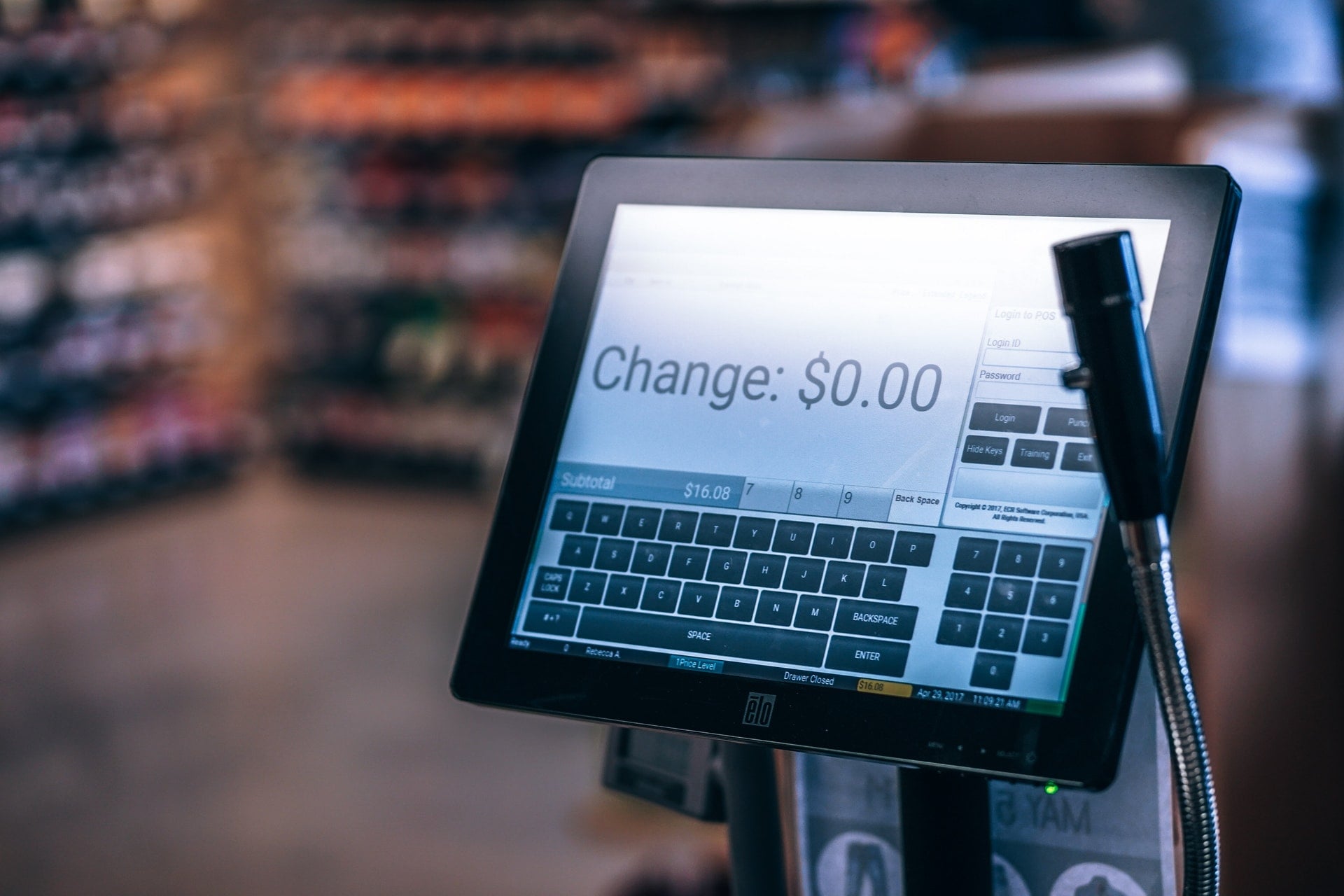
Some policymakers worry incessantly about how to push mobile payment adoption, much like fretting over the adoption of the Kaohsiung iPASS card. The real question is whether end users actually feel a compelling need to change their daily habits, not why consumers aren’t blindly conforming to electronic and mobile payments.
Promoting digital and mobile payments is fundamentally the business of private online platforms and financial institutions. What the government should do is relax unreasonable regulatory hurdles, letting market players innovate on an equal playing field, or facilitate local banking institutions in co-developing a unified national standard for domestic mobile transactions.
Whether the domestic market alone can sustain fragmented, proprietary regional payment systems is an entirely separate matter.
The current fragmented landscape is demonstrably detrimental to mobile payment adoption. Simple arithmetic illustrates the problem: if 10 banking institutions launch 10 distinct mobile payment apps, multiplied across 100 retailers, merchants have to display a confusing array of 1,000 promotional signs. That creates an exhausting cognitive burden for both shopkeepers and consumers alike.
Moreover, regulators shouldn’t cast envious eyes at the prevalence of mobile payments in mainland China and assume the exact same dynamic can be transplanted directly. The recent collapse of local startups attempting to copy mainland smart pickup parcel lockers is a fresh cautionary tale, proving what many of us pointed out from day one: that business model simply does not fit Taiwan’s retail landscape.
Then again, if the government genuinely wants to promote a modern payment ecosystem, taking the NT$50 billion earmarked for politically motivated redesigns of New Taiwan Dollar banknotes and allocating it toward building a genuine cashless infrastructure would naturally foster an era of widely adopted electronic and mobile transactions.
Support Independent Perspectives & In-Depth Insights
Every thoughtful analysis and candid critique comes from our dedication to truth and quality. We choose not to follow sensational algorithms or clickbait headlines.
Sustaining independent research requires reader support. Make a one-time or monthly contribution, securely processed by Google.
Payments secured by Google · Manage or cancel anytime in your Google Account


Comments