
Microsoft’s landmark operating system carrying the classic moniker of Windows is officially slated for general availability on July 29. Having seen countless speculative previews, performance benchmarks, and predictive reports across tech publications, all that remains now is to be patient. In less than two months, we will be able to install and explore the production release ourselves. If historical release cycles are any indication, the final build will likely deliver noticeable refinements over the Technical Previews circulating today.
Windows 10 stands as Microsoft’s most multifaceted and unified OS undertaking in recent memory, architected to power an extensive range of hardware form factors—from smartphones to desktop workstations, tablets, the HoloLens mixed reality headset, and Xbox gaming consoles. It clearly signals Microsoft’s resolute commitment to unifying its sprawling software ecosystem.
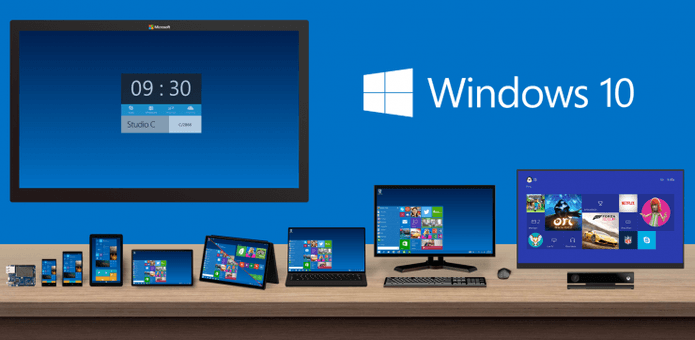 The hardware lineup
Having personally used Windows 7, Windows 8.0, and Windows 8.1 consecutively on the exact same physical PC, my overriding impression has been that Microsoft poured serious engineering effort into optimization and responsiveness. Running three generations of operating systems on identical hardware makes those architectural gains unmistakably tangible.
Microsoft’s claims that Windows 10 will deliver their most formidable performance yet, paired with comprehensive multi-device convergence, suggest a strategic offensive against Apple across six fronts: smartphones, tablets, laptops, desktops, wearables, and consoles. Whether this cohesive push can meaningfully check Apple’s expanding ecosystem dominance will take time to tell, but it will be a fascinating battle to watch.
Windows 10 Feature Spotlight Video
Windows 10 introduces a wealth of notable new features, many of which are previewed in Microsoft’s promotional reel below:
Take Cortana, Microsoft’s digital assistant built for desktop and mobile, combining the strengths of Apple’s Siri with Google Now’s contextual cards to streamline productivity across platforms. It serves proactive everyday reminders and synchronizes status seamlessly between PC and mobile devices (almost giving off the nostalgic vibe of Clippy reborn with cloud superpowers).
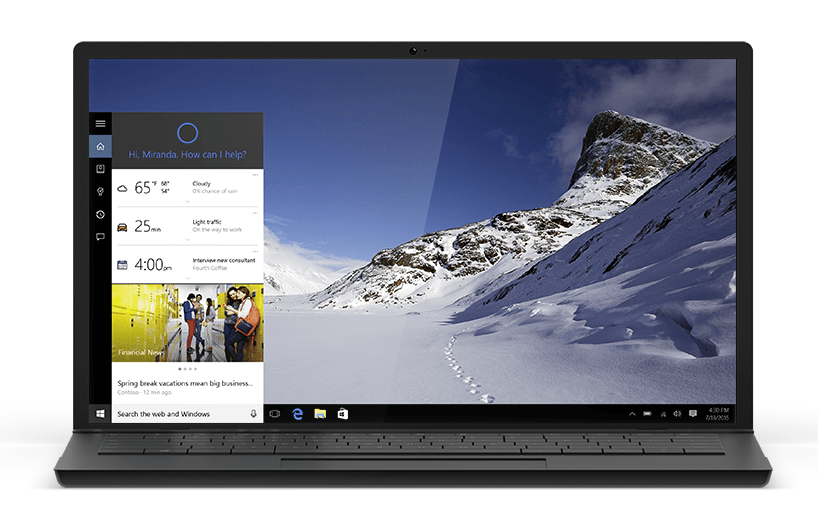 Cortana assistant interface
Speaking of memorable Microsoft creations, Clippy certainly holds a notorious, unforgettable place in computing lore. Perhaps due to the lingering impressions Clippy left years ago, it took until Apple introduced Siri before I truly warmed up to conversational assistants. Whether Cortana can finally redeem Clippy’s reputation is something we will soon find out on July 29.
 Who still remembers him?
Then there is Microsoft Edge, the browser engineered to replace the decades-old legacy of Internet Explorer. Edge reinvents web interaction—enabling direct on-page ink annotations and notes, features reminiscent of earlier concepts—while integrating deeply with Cortana. Unsurprisingly, machine learning and big-data personalization of your browsing habits take center stage, though they naturally pose fresh questions regarding user data privacy.
The Office suite—Word, Excel, and PowerPoint—has been streamlined and touch-optimized out of the box, a move sure to appeal to enterprise IT departments aiming for cost-effective deployment with Windows 10. This aligns closely with Microsoft’s broader strategy of offering Windows 10 as a free upgrade alongside free developer tools like Visual Studio Community, highlighting a profound pivot in their business model to reclaim platform market share.
Windows Hello brings biometric authentication to the platform, leveraging facial recognition, iris scans, and fingerprint sensors (paired with compatible infrared hardware) for fast, passwordless logins and web authentication.
Furthermore, built-in apps for Photos, Music, Video, Mail, People, and Calendar have adopted modern, decoupled app architectures aligned with cloud synchronization through OneDrive (formerly SkyDrive).
Surveying these architectural directions, it is obvious that Microsoft, Google, and Apple have converged on similar product philosophies, placing cloud-integrated services and modular applications at the core of the user experience. With all three giants aligning so closely, it will be captivating to see whether Windows 10’s unprecedented free upgrade model can spark a genuine renaissance for Microsoft’s desktop ecosystem.
Notably, Microsoft previously rolled out cross-platform tooling enabling developers to build iOS apps using Visual Studio. This serves as an open invitation to indie iOS developers—after all, Windows-compatible hardware is generally more cost-effective and accessible, and Microsoft’s interface paradigms remain familiar to the masses, lowering barriers for new adopters.
Further Reading:
- Windows 7.x / 8.x: Reserve Your Free Windows 10 Upgrade Now
- First Look at the Microsoft Windows 10 Technical Preview
- Did you know Microsoft Windows might disappear sooner than you think?
Support Independent Perspectives & In-Depth Insights
Every thoughtful analysis and candid critique comes from our dedication to truth and quality. We choose not to follow sensational algorithms or clickbait headlines.
Sustaining independent research requires reader support. Make a one-time or monthly contribution, securely processed by Google.
Payments secured by Google · Manage or cancel anytime in your Google Account

Comments