
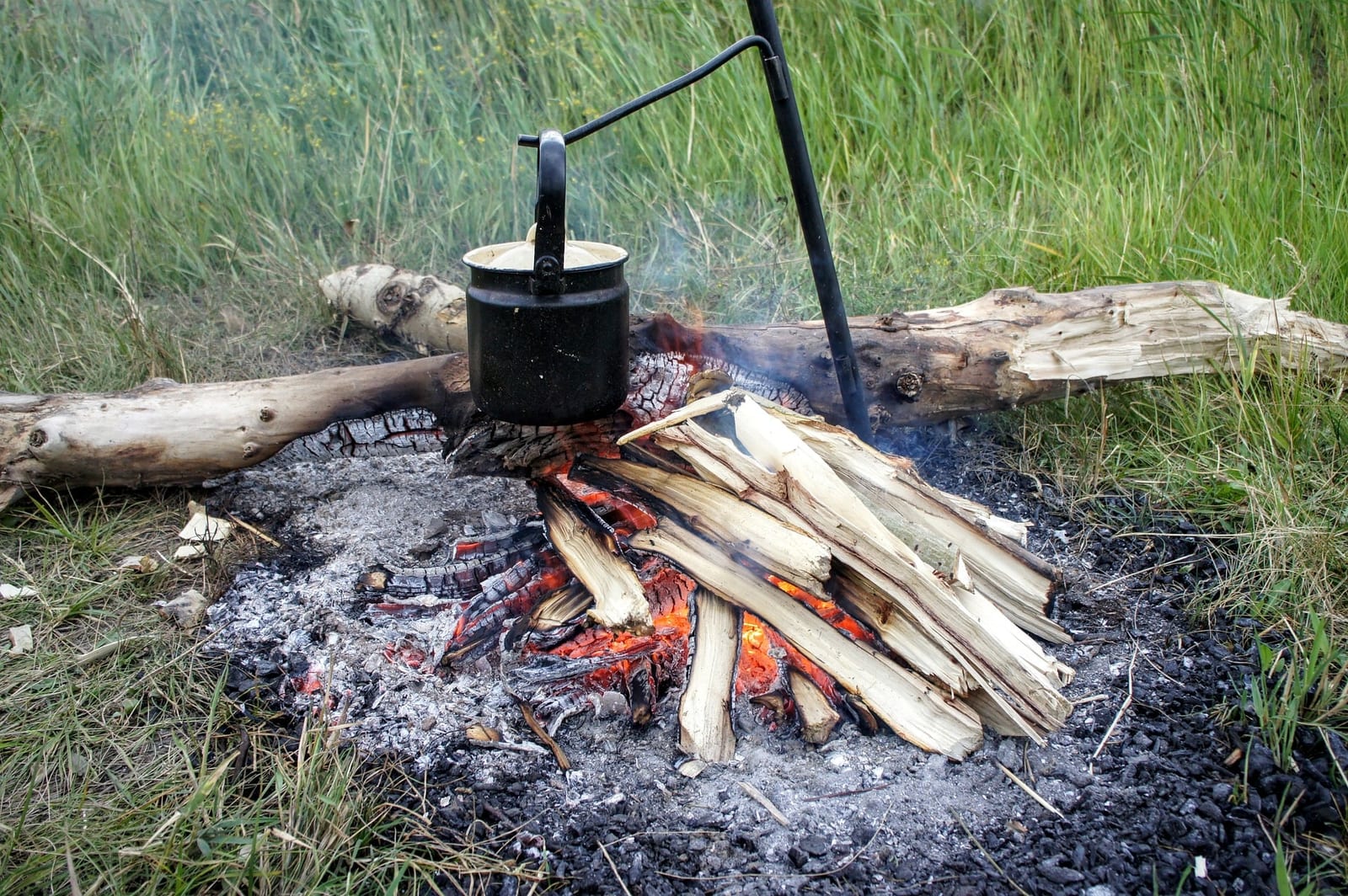
When undertaking wilderness survival activities, securing reliable food sources is paramount. This challenge divides into two distinct tasks: acquiring food and preserving it. Today, we will explore four safe, field-tested techniques for preserving food in the outdoors.
Before exploring these four methods, it is essential to understand the biological fundamentals behind food spoilage: microorganisms and oxygen. Spoilage and decomposition are driven primarily by chemical and physiological activities of bacteria, molds, and other microbes (as well as endogenous enzymatic reactions within the food itself). Therefore, minimizing microbial contamination and inhibiting growth are central principles of food preservation.
Additionally, lipid oxidation leads to rancidity, which can generate free radicals linked to cellular damage and inflammation. While long-term health hazards might seem secondary during an immediate survival scenario, processing food as safely and cleanly as possible is always the wiser course.
Packaged dry goods like biscuits and instant noodles keep easily, but fresh meats, poultry, fish, shrimp, and vegetables degrade quickly in warm weather. Wilderness expeditions lack refrigerators or powered coolers. In such environments, we can apply specific processing methods to arrest microbial growth, retard lipid oxidation, and keep precious rations edible.
1. Smoking
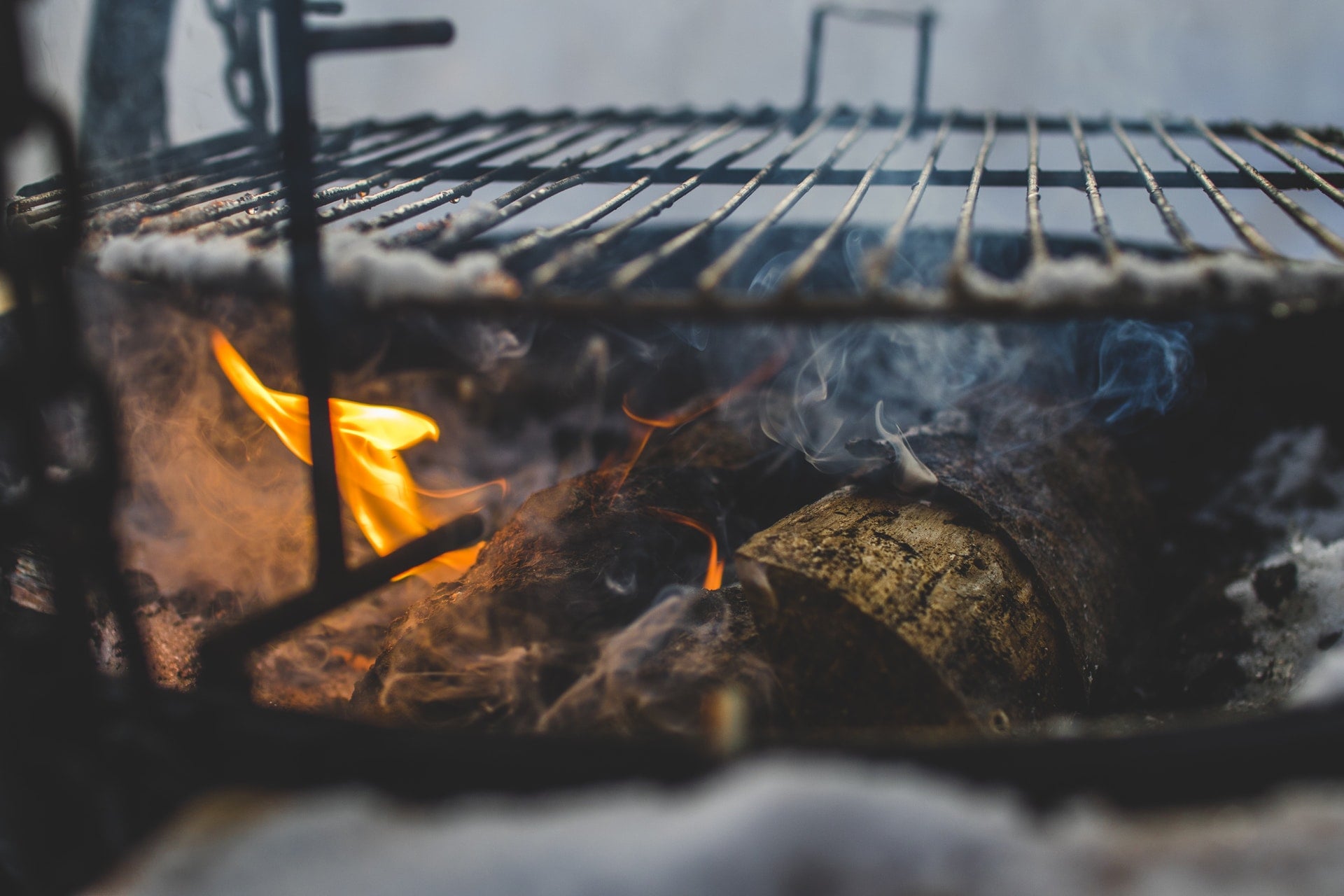
Smoking is arguably the most vital food-processing skill in wilderness survival; as long as you can make a fire, you can smoke food.
Smoking extends shelf life significantly while imparting a palatable flavor, making it ideal for meats, poultry, and fish.
2. Sun-Drying
If you catch fish in the wild, sun-drying turns your catch into cured, shelf-stable dried fish. Butterfly the fish by slicing along the spine through the head (leaving the belly intact) to lay it flat. Remove the viscera, wash the flesh thoroughly, rub both sides generously with salt, and use bamboo sticks or small wooden twigs to prop the head open. Hang the prepared fish or lay it out under direct sunlight. After several days of bright sun, it will dehydrate into dried fish that keeps for extended periods.
3. Air-Drying
Air-drying meats and poultry is another ancient preservation technique, exemplified by traditional Tibetan wind-dried mutton and beef. (These preserved meats should be thoroughly cooked before consumption).
During autumn, strips of beef are hung in shaded, well-ventilated areas where dry winds desiccate the meat by evaporating moisture. This method is ineffective in humid, inland river valleys with dense moisture; it requires low relative humidity and steady airflow. Air-curing relies on dry air currents rather than direct solar heat, so meat must never be exposed to direct sunlight. Another approach involves rubbing the meat with salt and spices, or marinating it lightly in soy sauce, then hanging it at a breezy windgap until the outer flesh cures and hardens. Classic air-dried items include wind-cured eel, chicken, herring, and beef. Ensure slices are not cut too thick (excessive thickness traps moisture and invites rot) nor over-salted.
4. Cold-Water & River Chilling
In temperate or mountain environments, perishable foods can be sealed inside plastic bags and submerged in cold, flowing river currents. For instance, sealing mutton inside three layers of watertight plastic bags, submerging it in an ice-fed glacial stream, and anchoring it securely under river stones can preserve meat fresh and untainted for up to twenty days. Never place unwrapped meat directly into the river: unsealed immersion leaches valuable nutrients, while silt and microorganisms in the water will render the meat inedible.
Support Independent Perspectives & In-Depth Insights
Every thoughtful analysis and candid critique comes from our dedication to truth and quality. We choose not to follow sensational algorithms or clickbait headlines.
Sustaining independent research requires reader support. Make a one-time or monthly contribution, securely processed by Google.
Payments secured by Google · Manage or cancel anytime in your Google Account


Comments