

With low-cost carriers (LCCs) booming across the global aviation market, they have not only challenged legacy full-service airlines, but also attracted tech startups eyeing the massive flow of fluctuating flight fare data. In response, numerous platforms promoting “one-second whole-web comparison” have emerged.
Today’s travelers are accustomed to opening flight search engines like Skyscanner, Wego, Google Flights, or Kayak—collectively known as “Flight Meta-search Engines.” Simply typing your origin and destination into a sleek search bar allows algorithms to scan hundreds of airlines and online agencies in seconds, sorting prices neatly from lowest to highest, often with a one-click redirect to book.
From an information transparency standpoint, web-scraping technology has certainly disrupted the traditional market once dominated by brick-and-mortar travel agencies.
HOWEVER, Mizuc must sound a serious warning: that is simply not how the low-cost carrier game is played!
If you evaluate budget airline fares using the same mindset as booking traditional legacy tickets, you risk getting stung by unexpected surcharges at checkout—or worse, finding yourself stranded in a foreign transit hub with a voided onward ticket.
1. The Comparison Engine Blind Spot: The “Bare Fare” Numbers Game
The most common mistake travelers make on fare comparison websites is assuming that “the lowest number displayed on screen is the true total cost you will end up paying.”
Legacy full-service carriers (such as China Airlines, EVA Air, Cathay Pacific) sell all-inclusive bundles. Their base fares include checked baggage allowance, in-flight meals, seat selection, and airport taxes, making direct price comparisons meaningful.
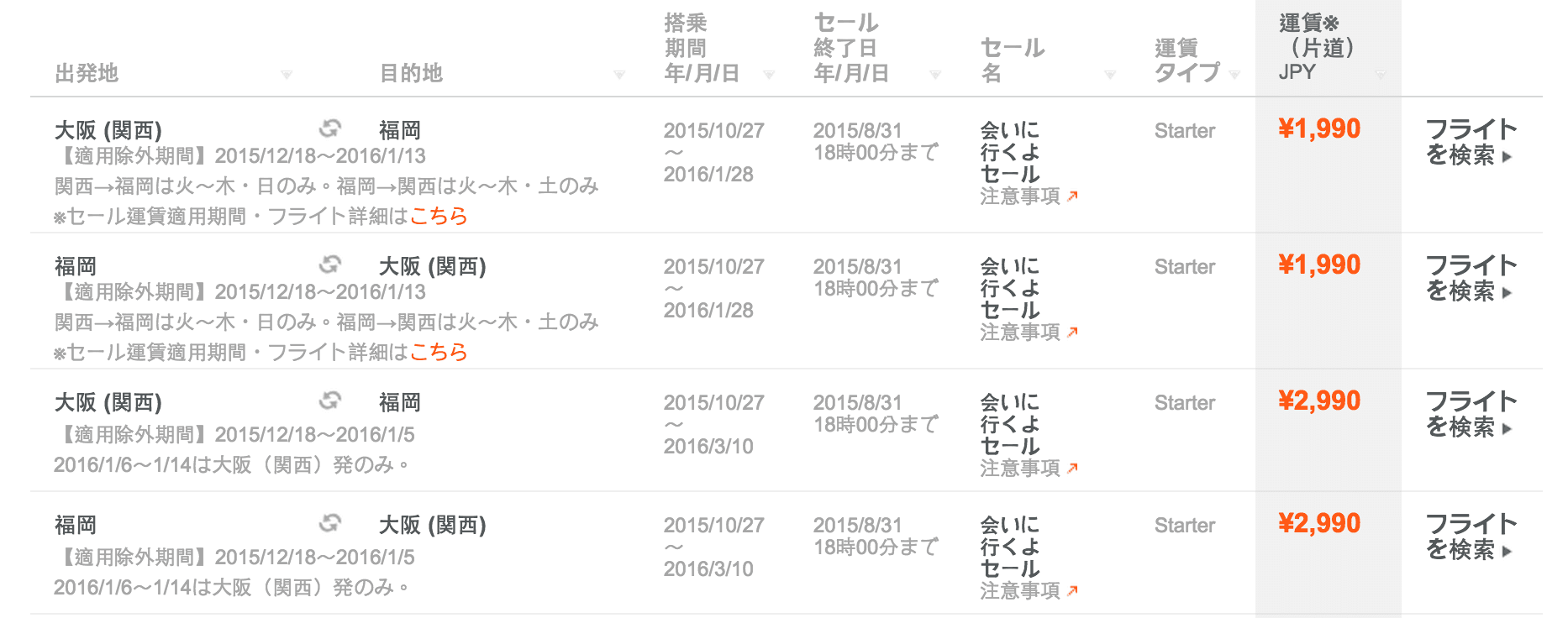
Budget airlines, however, operate on a philosophy of complete unbundling:
- “Ghost Low Fares” without checked baggage: Meta-search engines usually pull the bare seat fare without any baggage allowance. Once you add 20 kg of checked luggage for both outbound and return flights (typically NT$800 to NT$1,500 each way), the total price surges by 30% to 50%—often exceeding promotional fares on legacy carriers that already include checked bags!
- Hidden payment processing surcharges: Many LCCs and distribution channels slap on administrative fees or payment processing surcharges per passenger per flight segment. These fees are rarely visible on the comparison site’s initial results page, appearing abruptly only at the final credit card checkout screen.
- Pre-selected add-ons: When redirected via certain booking channels, options like overpriced flight delay insurance, priority boarding, or meals are often pre-checked by default. If you don’t manually uncheck them, the total cost quietly piles up.
2. Low-Quality Overseas OTAs: Markup Black Holes and Customer Service Limbo
Flight comparison engines generally do not issue tickets directly. Instead, they redirect you to third-party sales channels—either airline official websites or various Online Travel Agencies (OTAs).
To secure the coveted top spot with the absolute lowest headline price, several overseas OTAs registered in lesser-known jurisdictions (such as Gotogate, eDreams, Tripsta, or Bravofly) post razor-thin loss-leader rates a few dollars cheaper than the airline’s official site.
Booking through these low-tier overseas OTAs frequently leads straight into a logistical nightmare:
- Exorbitant post-booking markups: These platforms routinely levy astronomical service fees for routine modifications. Adding baggage might cost NT$800 on the airline’s official portal, but the OTA might charge NT$1,800 for the same service. Correcting a misspelled name can incur administrative fees exceeding the cost of buying a brand-new ticket.
- Foreign transaction fees and DCC currency markup: Even if prices are displayed in New Taiwan Dollars (NTD), the transaction may be processed through overseas servers in foreign currencies, triggering a 1.5% international transaction fee along with Dynamic Currency Conversion (DCC) losses that wipe out any nominal savings.
- Customer service vacuum during weather delays or cancellations: When typhoons, heavy blizzards, or mechanical issues cancel a flight, direct bookings on the airline website typically allow swift self-service rebooking or full refunds online. But if you booked through an overseas OTA, ground staff will simply inform you: “Please contact your original ticketing agency.” Calling the OTA often leads to endless hold music, dropped calls, or customer representatives deflecting responsibility while your trip falls apart.
3. Real Mega-Promotions Never Show Up on Aggregators!
Seasoned budget travelers know a fundamental truth: the steepest, most aggressive flash sales offered by budget airlines almost never register on meta-search crawlers!
To foster direct brand loyalty and avoid third-party distribution commissions, airlines keep their deepest discounts restricted within their proprietary ecosystems:
- Undisclosed Promo Codes: Time-limited promo codes offering 30% to 50% discounts are distributed via official Facebook pages, Instagram, newsletters, or LINE accounts. Public web scrapers cannot automatically test and apply these discount codes.
- Member-Only Closed-Door Sales: Events like Tigerair Taiwan’s “tigerclub Member Closed-Door Sale” or AirAsia’s “BIG Sale” require logging into a member profile before the discounted fare classes unlock. External, unauthenticated crawlers cannot access these rates.
- Flash sales selling out in minutes: Ultra-low promotional fares (like $99 or $520 flash seats) sell out within 10 to 15 minutes of release. Aggregator crawlers, constrained by bandwidth and scraping limits, often refresh cached data only every few hours. By the time you spot the fare and click through, the airline website immediately shows: “This fare class is sold out.”
4. The Riskiest Trap: The “Self-Transfer” Connection Disaster
In recent years, many comparison engines have introduced Virtual Interlining (also branded as Self-Transfer) to manufacture seemingly dirt-cheap routes or unusual itineraries—such as flying Airline A (e.g., Tigerair Taiwan) to Bangkok Don Mueang, enduring a 2.5-hour layover, and then boarding Airline B (e.g., Thai Lion Air) to Chiang Mai.
The comparison engine bundles these two completely unrelated budget tickets into a single checkout cart with an attractive total price.
This is the single most dangerous trap for independent travelers!
The vast majority of low-cost carriers do not have interline baggage agreements:
- Mandatory immigration and re-check-in: Upon landing at your layover airport, you must clear immigration, claim your checked baggage, haul your luggage to the departures hall, queue up at Airline B’s counter to re-check baggage, collect a new boarding pass, and clear security and immigration all over again!
- First-leg delays instantly void your second ticket: LCCs operate on tight turnaround schedules, and flight delays are frequent. If your first flight is delayed by just an hour and causes you to miss the second airline’s check-in deadline (usually 45 minutes prior to departure), the onward airline bears zero legal liability. Your onward ticket becomes worthless paper with no compensation or free rebooking whatsoever!
Unless you intentionally plan to stay in the transit city for a full day or two of sightseeing, never book an algorithm-generated “self-transfer” budget itinerary with a layover under 4 hours.
5. The Golden Rules of Flight Comparison and Booking
How should smart travelers leverage modern comparison tools without falling into these traps? Keep these four principles in mind:
| Booking Dimension | The Wrong Way | The Smart Traveler’s Way |
|---|---|---|
| Role of Comparison Sites | Treating them as the final checkout portal. | Use them strictly as a “route explorer” and “flight timetable reference” to see who flies direct and assess price ranges. |
| Final Booking Channel | Choosing a sketchy foreign OTA just to save $2. | Identify your flight segments, then book directly on the official airline website or app! Direct bookings guarantee after-sales protection. |
| Promotional Sources | Passively waiting for flight search engine alerts. | Subscribe to official airline email newsletters and follow social channels for flash deals and promo codes. |
| Layover Scheduling | Trusting algorithmic 2-hour “self-transfer” itineraries. | For separate LCC bookings, leave at least 4+ hours between connections, or book traditional through-tickets with interline baggage agreements. |
Pro-Tip: Always Search in Incognito Mode
Many booking engines and airline platforms deploy dynamic pricing algorithms that track your search patterns via cookies. If you repeatedly check the same route on the same dates, algorithms may interpret high purchase intent and subtly bump up the displayed fare.
When researching flights over several days, use your browser’s Incognito Window and clear your browser cache and cookies periodically to ensure you are seeing objective base prices.
Conclusion: Understand the Business Model to Reap Real Savings
Flight comparison engines are a powerful asset of the digital age, granting travelers unprecedented market visibility. But to truly benefit, we must understand the core low-cost carrier philosophy: unbundled services, user-pays pricing, and direct-to-consumer distribution.
Stop chasing the bare-fare headline numbers that look artificially cheap. Head straight to official airline portals, calculate your real end-to-end costs, steer clear of risky connections, and enjoy flying smart, safe, and free!
Support Independent Perspectives & In-Depth Insights
Every thoughtful analysis and candid critique comes from our dedication to truth and quality. We choose not to follow sensational algorithms or clickbait headlines.
Sustaining independent research requires reader support. Make a one-time or monthly contribution, securely processed by Google.
Payments secured by Google · Manage or cancel anytime in your Google Account




Comments