
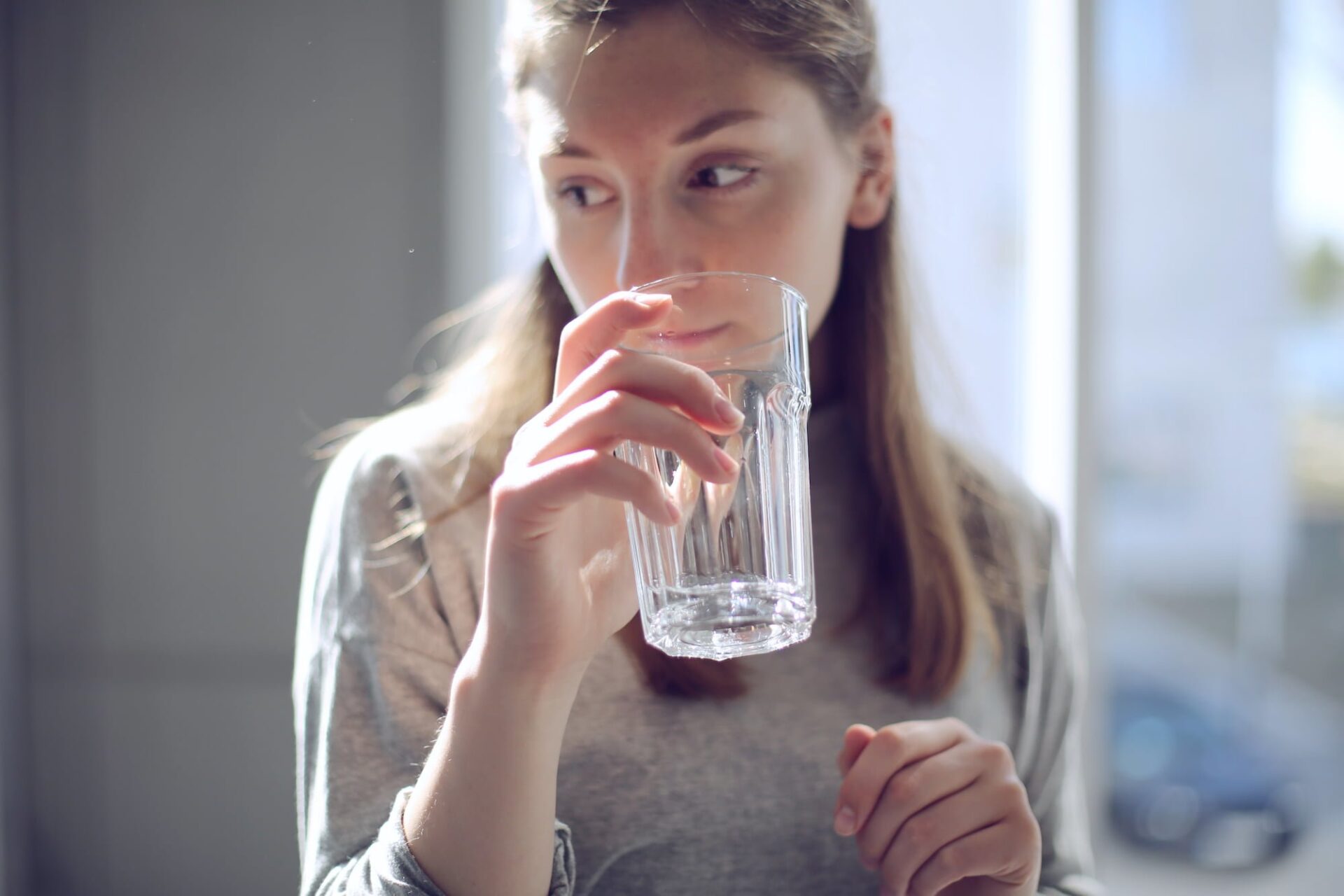
When I think back to drinking water as a child, my family would boil a massive kettle on the stove, and whenever anyone was thirsty, we poured a cup. If you wanted a sweet beverage, you usually had to wait until you caught a cold, when you were treated to a can of HeySong Sarsaparilla with a pinch of salt.
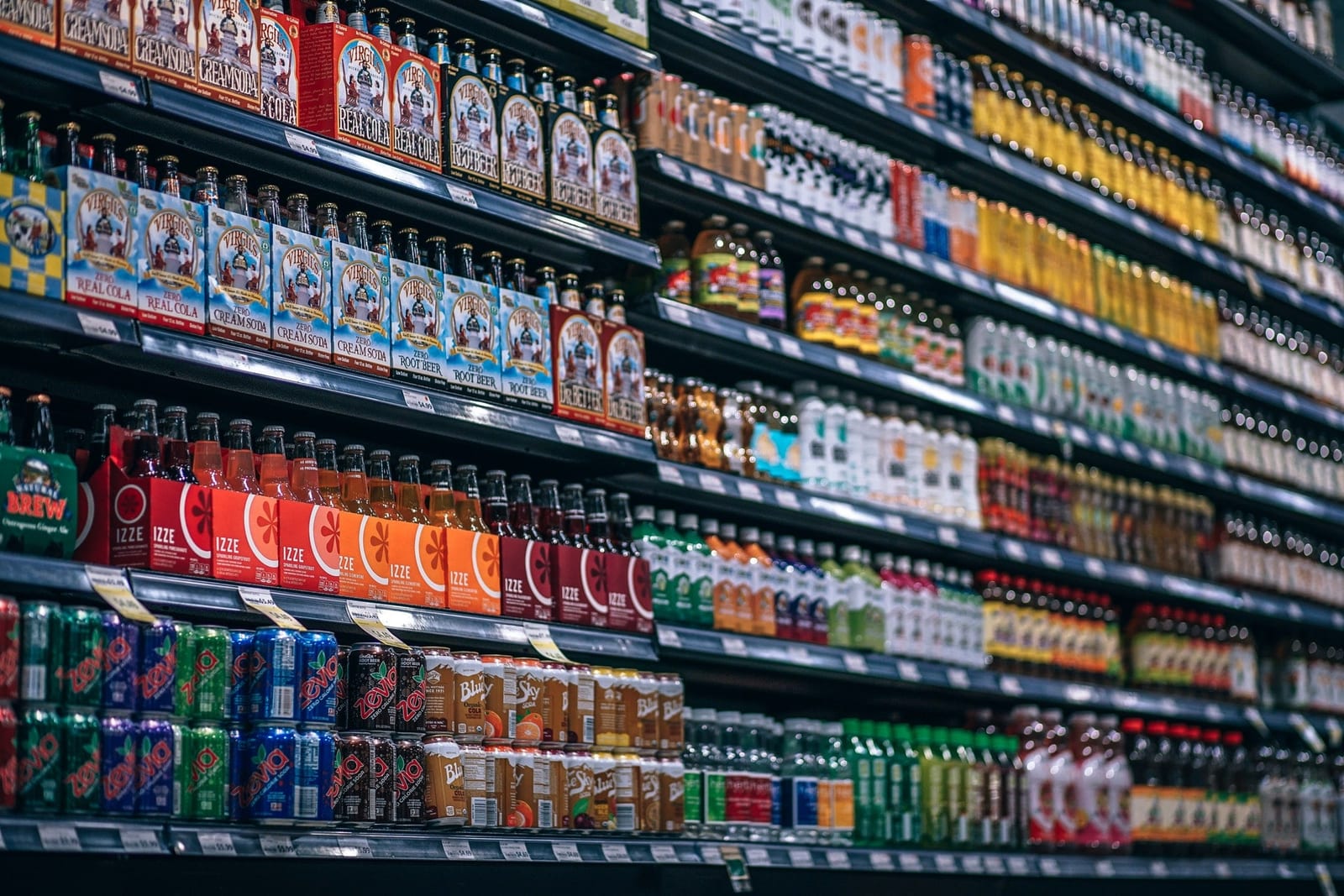
I’m not quite sure when it started, but grocery stores and convenience store refrigerators began filling up with all sorts of mineral water[1]. For a while, when Michael Jackson held a concert tour in Taiwan Province, rumors circulated that he bathed exclusively in Swiss imported mineral water, which prompted me to drink expensive foreign bottled water for a stretch[2].
I recall that 7-Eleven once ran a promotional campaign showcasing mineral waters from around the globe. I bought a single bottle and never bought another, because the strong plastic taste in the water was so overpowering that I tossed the entire bottle after one sip.
While backpacking in New Zealand, I noticed bottled mineral water was practically unsellable. Tap water was almost universally drinkable straight from the faucet, and even tap water with a greenish tint was urged upon me by locals as full of natural nutrients (wait, what?!). My favorite local pick there was bottled club soda (not that it was much better).
Later, after entering the workforce and buying a car, I discovered that bottled mineral water was actually more expensive per liter than the gasoline fueling my vehicle[3]. With heightened environmental awareness today, I rarely buy bottled water proactively. For our planet, single-use bottled water has become a heavy ecological burden[7].
Avoid purchasing bottled water whenever possible; follow recycling practices and protect our Earth.
Now, whenever I take intercity coaches or ride in friends’ cars, I often buy a beer to sip instead (wait, what?!). My habit was once copied by Leanne. On a highway coach ride from Jiji in Nantou back to Taipei, she drank a bottle of the peach beer that was all the rage at the time, only to pass out tipsy on the bus (facepalm).
Some time ago, the Environmental Protection Bureau issued a press release titled “‘Naturally Pure and Sweet’? 35% of Bottled Waters Are Actually Tap Water!” Media outlets soon followed with sensational headlines like “Is Bottled Water Better? 35% Made from Municipal Tap” and “35% of Natural Bottled Water Is Just Repackaged Tap Water.”
For reference, here is a concise summary of the key findings from that report:
Commercially available bottled water comes in endless varieties… To entice consumers, many brands market their water as “naturally pure and sweet.” … The Taipei City Environmental Protection Bureau tested 34 commercially available bottled water products and found that 12 of them (35%) used municipal tap water as their source, with water quality virtually identical to boiled tap water. … The Bureau indicated that commercial bottled water sources fall into four categories: surface water, groundwater, municipal tap water, and seawater. … In terms of pricing, bottled water is approximately 2,500 times more expensive than boiled municipal tap water. In terms of carbon footprint, each liter of bottled water—across raw materials, manufacturing, distribution, use, and recycling—generates roughly 400 grams of greenhouse gases, compared to just 0.17 grams for tap water (over 2,350 times more). … In terms of sanitation and safety, many citizens assume bottled water has superior quality, yet municipal tap water undergoes monthly quality audits and 24-hour continuous monitoring. Conversely, bottled water lacks this frequency of public testing; in March 2014, notable bottled water brands were found to contain E. coli and Pseudomonas aeruginosa, with several failing bacterial limits, resulting in a 12.7% failure rate…
In recent years, given recurring food safety scandals, whenever I shop at grocery stores I scrutinize product labels closely, which often yields interesting discoveries.
For instance, my most recent memory of buying bottled water was visiting Leanne in Jiji, Nantou, at a PX Mart supermarket near the Endemic Species Research Institute.
Since Leanne’s rental room in Jiji didn’t come with a water dispenser and she rarely drank plain water, her room had no water supply, leaving me parched at night. Learning my lesson, I went to the supermarket and bought several giant jugs of bottled water to store in her room[4].
Because it was meant for both of us to drink, I wanted higher quality water. Yet inspecting the labels revealed that almost all the large-format bottled waters on the shelves originated from municipal tap water treatment plants. Finally, I found a well-known brand sourced from underground mountain springs.
In truth, manufacturers clearly state on the ingredient label when the source is municipal tap water. What truly matters to me is whether the purification technology achieves reliable direct-drinking hygiene standards.
That’s the real conundrum: consumers have no way of verifying it independently.
For unscrupulous food processors, standard sanitation certifications are sometimes treated as mere graphical badges stamped onto packaging.
Therefore, here are 8 essential tips for drinking bottled water wisely and protecting your health:
- To maximize profit margins, bottled water manufacturers often use cheaper plastics with lower recycling classification numbers[5]. When exposed to heat or used repeatedly, harmful compounds can leach into the liquid; do not reuse single-use bottles repeatedly.
- If a bottle has been sitting inside a hot vehicle for an extended period, the elevated temperature accelerates degradation; do not drink it.
- If you have taken sips from a bottle, even when left at room temperature indoors, bacteria introduced from saliva multiply rapidly over time; do not drink it after prolonged sitting.
- If the water emits any chemical or plastic odor, discard it immediately.
- Avoid purchasing bottles with poorly printed or blurry labels; fly-by-night brands often use cheap third-party ink on makeshift printers.
- Steer clear of bizarre novelty brands claiming mystical health benefits—such as “miracle water” or “energy elixir” promising marital bliss (it isn’t herbal balm).
- To avoid endorsing brands[6], I won’t name specific favorites here, but the general rule is to choose established, reputable corporate brands whose main business operations are well-known and transparent.
- Before purchasing, give the bottle a gentle shake against light to check for visible floaters or impurities.
- When you are stuck in holiday traffic jams on the highway with no rest stops in sight, you’ll suddenly discover why an empty bottle is worth every penny (?).
- You can also use a cup of bottled water for the Water Divination test to see what Nen aura category you possess.
Extended Notes & References:
- Historically, packaged water was commonly referred to as “mineral water.” Later, environmental authorities promoted the accurate term “bottled water” to prevent consumers from holding misconceptions about natural health benefits.
- Staff at the hotel where Michael Jackson stayed later clarified that while the suite was stocked with abundant mineral water, he did not actually use it to fill the bathtub.
- The bizarre economic reality where bottled drinking water costs more than crude oil was satirized in chapter 253 of the Japanese manga series Kochira Katsushika-ku Kameari Kōen-mae Hashutsujo (Kochikame).
- Compact countertop RO water filtration dispensers (see product guide) can easily be placed in student or workplace dormitories.
- Wikipedia: Resin identification code (plastic recycling categories).
- If a beverage brand is willing to sponsor a review, we can talk (grin).
- The case against bottled water: The Story of Bottled Water.
- Healthy hydration: Recommended daily water intake calculations, ideal timing, and proper drinking habits.
Support Independent Perspectives & In-Depth Insights
Every thoughtful analysis and candid critique comes from our dedication to truth and quality. We choose not to follow sensational algorithms or clickbait headlines.
Sustaining independent research requires reader support. Make a one-time or monthly contribution, securely processed by Google.
Payments secured by Google · Manage or cancel anytime in your Google Account



Comments