
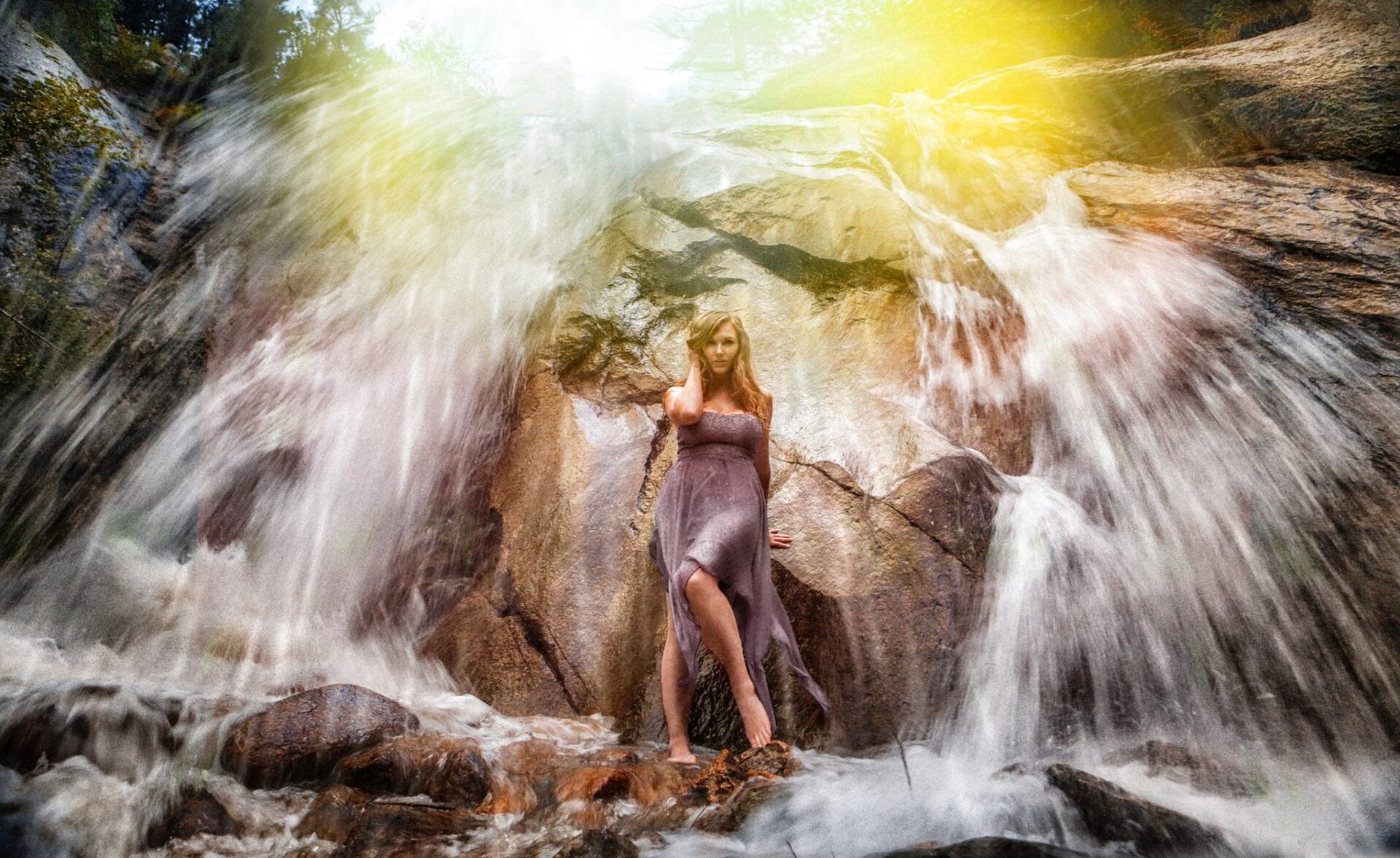
Tea and coffee connoisseurs are notoriously meticulous about water quality. Unpolluted mountain spring water has always been prized by tea masters, as mineral-rich water can impart a noticeably smoother, sweeter profile to brewed tea.
During sweltering summer heat, escaping into mountain forests to breathe in phytoncides, listen to babbling brooks, or bottle natural spring water straight from rock crevices seems like the ultimate refreshing pastime.
Some bed-and-breakfasts even market their pristine springs, leading many visitors to drive up into the hills specifically to collect containers of spring water for household tea and coffee. Yet few realize that drinking raw mountain spring water without purification poses severe health hazards.
As mountain runoff flows across ground surfaces, it easily becomes contaminated by human activities or animal waste. Though appearing crystal clear and sweet, it often harbors invisible microorganisms, ammonia nitrogen, and nitrate pollutants. Water in perpetually shaded crevices may even harbor leeches and parasite cysts.
If upstream agricultural orchards apply chemical pesticides, or if unauthorized workshops discharge effluent, contamination is significantly worse.
In many instances, you may have no idea what is being discharged upstream! A stream that looks pristine around a mountain bend might flow past a row of chemical processors just further up the watershed.
Consequently, all drinking water must undergo proper filtration and disinfection to meet drinking water sanitation standards before consumption. Water safety should never be judged merely by clarity and taste.
Furthermore, some unscrupulous vendors pump agricultural groundwater and market it as “mountain spring water”, presenting serious sanitary risks.
In documented food poisoning cases linked to untreated spring water, infants fed formula prepared with unboiled spring water contracted severe Salmonella infections leading to bacterial meningitis and neurological impairment.
Testing of public-submitted spring water samples has revealed that over half fail municipal drinking water standards, primarily due to excessive total coliform and viable plate counts.
Surveys by the Environmental Protection Administration indicate that nearly 50% of mountain spring water sources fail potable water criteria, with coliform bacteria and total bacterial counts exceeding limits in 62% and 59% of tests, respectively.
The Food and Drug Administration urges the public never to drink raw, untreated mountain spring water in an attempt to cool off. Avoid ingesting parasite ova or virulent pathogens: always ensure water is properly filtered and brought to a rolling boil before drinking!
Support Independent Perspectives & In-Depth Insights
Every thoughtful analysis and candid critique comes from our dedication to truth and quality. We choose not to follow sensational algorithms or clickbait headlines.
Sustaining independent research requires reader support. Make a one-time or monthly contribution, securely processed by Google.
Payments secured by Google · Manage or cancel anytime in your Google Account


Comments