
Last October, I purchased a Jinkon dual-temperature stainless steel convection oven (Model JK-7300; model JK-7450 is virtually identical) distributed by Senquan Enterprise through the Momo shopping platform. With a 30-liter capacity, here is my detailed repair journal covering an unexpected burning smell and practical tips on submitting warranty claims.
I initially bought this oven because, besides its affordable price tag, it advertised room-temperature dough fermentation and independent temperature dials for top and bottom heating elements—ranging from near-ambient warmth to 250°C. For home baking enthusiasts, that level of heat control is an incredible asset.
 Credit: Hans Splinter (Flickr)
Over the past year, I could count the number of times I used the oven on one hand. It was used almost exclusively for cakes, bread, and cookies, with the smokiest thing ever roasted being winter sweet potatoes. Consequently, the interior stayed cleaner than the outside—a first across all the ovens I’ve owned (in the past, roasting fish or chicken, especially Pacific saury, would permanently coat interior walls with stubborn grease aromas).
However, starting in August, the oven began exhibiting minor issues.
First, during an August baking session, an aroma all too familiar to electrical engineering students emerged: the distinct smell of "**burning circuit boards**" (if you inhale it enough, you almost get used to it).
The smell appeared with every baking session, differing only in pungency. After sniffing around the chassis several times to locate the source, I confirmed the odor radiated from the right side—the control nerve center housing the circuitry. Without a doubt, internal components were burning up.
After a while, the smell subsided, but my family soon dropped another bombshell: the countdown timer dial appeared broken (honestly, since the oven sat idle for a bit, it was impossible to tell without disassembly whether the two issues were linked).
Testing the countdown timer confirmed the defect: even when turned to the "**off**" position (zero minutes), the dial kept turning counterclockwise past zero into the "**stay-on / continuous operation**" position. If it failed to click into the stop detent, the oven would bake indefinitely.
Sure enough, this glitch struck while nobody was in the kitchen—family members assumed the oven was shut off—and it continued baking an empty metal tray continuously. By the time I noticed, who knows how long it had been running (a severe fire hazard).
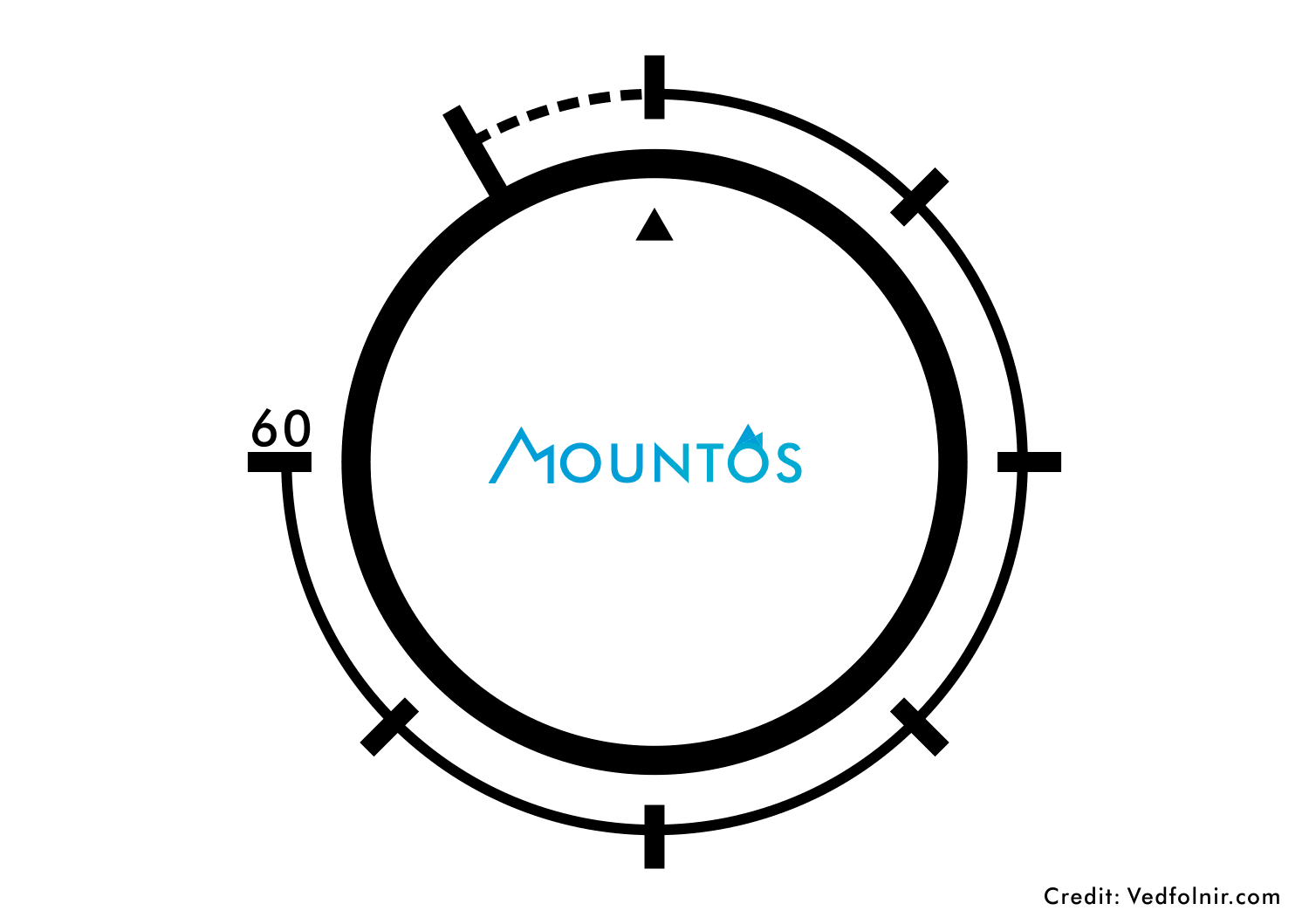 Illustration of the oven countdown timer knob
Obtaining Proof of Purchase for Jinkon Ovens
To request repairs for this Jinkon dual-temperature stainless steel convection oven, the manufacturer required proof of purchase showing the acquisition date.
As mentioned earlier, I purchased this unit online. E-commerce warranty booklets rarely come stamped with a retailer seal or purchase date (if stamped, you might worry whether it was a returned display unit). Except for companies offering automated online warranty registrations (Apple being the classic example where first boot automatically registers warranty), you typically have to retrieve order records from your e-commerce account.
Tip: If buying home appliances from brick-and-mortar stores, always make sure the shopkeeper stamps the warranty card and writes the purchase date.
If order history records are missing from your shopping account, e-commerce platforms provide customer support hotlines. Don’t hesitate to call them; requesting a physical stamped proof of purchase mailed via registered post is generally straightforward.
Initially, I asked the platform to simply email a PDF proof, but system backend limitations prevented direct digital archiving, so requiring paper mail was understandable and not worth arguing with support agents.
Manufacturer Contact Details and Background
Although branded under the "**Jinkon**" trademark (owned by Senquan Enterprise, widely renowned for Jinkon drinking water dispensers), the actual manufacturer is an entity named “Weikang Electrical Appliances Co., Ltd.”
So when browsing Jinkon’s website praising their "**one-call home maintenance service across western Taiwan**", don’t celebrate too early—ovens are explicitly excluded.
Furthermore, if my research serves me right, this oven is a white-label OEM product designed and manufactured by a vendor in Mainland China (Weikang’s registered business scope lists only electrical appliance wholesale, retail, and international trade). Nevertheless, its price is undeniably affordable, frequently on sale online, and doesn’t require hunting down specialized commercial baking machinery. For everyday home baking, it remains an accessible entry-level option.
Because Weikang Electrical doesn’t operate its own official website, you should call the toll-free number provided by Jinkon customer support: 0800-311-018 to arrange maintenance. (As Weikang reorganized into Prohome International Co., Ltd., please refer to Prohome International / Weikang Electrical Contact Numbers and Address Information [2] for updated details).
Here’s a minor grievance: while 30 liters is considered small by oven standards, the chassis is still bulky. Weikang’s support representative initially asked me to carry the oven to the post office and mail it myself—which I flatly declined.
I proactively asked whether they partnered with logistics couriers for warranty pickups. Fortunately, after consulting a supervisor, they agreed and dispatched Yamato Transport (Black Cat) to pick up the boxed oven at my doorstep the following day, saving a massive logistical headache.
Weikang Electrical Repair Timeline
- November 17, 18:00: Yamato Transport collects the defective oven from my residence.
- November 20, Afternoon: Manufacturer calls notifying that repairs are complete and ready for dispatch. The technician explained that the burning smell indeed originated from the timer: an adjacent component had heat-melted above the dial housing. They replaced the timer unit with a new module and replaced the temperature sensor wiring (the technician noted temperature sensing wires are consumable components requiring periodic replacement—a helpful insight to pass along).
- November 21, Afternoon: The repaired oven is delivered back, operating normally with zero faults (collective cheer).
Advice for Oven Owners
If space permits, keep the original packaging and cardboard shipping carton. If luck runs out and the unit must be sent back to the manufacturer for service, few replacement boxes fit properly. Granted, oven cartons take up significant space—you practically need to dedicate a corner of a room to house them in case of rainy days (Bigman: Hey, dripping with sarcasm!). Yesterday, just to pack this oven, I had to sacrifice a printer box that was serving as my bedside table.
November 30 Update: Judging from the technician’s explanation, a design flaw involving the timer and its surrounding circuitry caused the overheating and component failure. I asked the manufacturer whether they revised the layout to prevent future recurrence. They confirmed they transitioned to an improved circuit design, so I believe users need not worry about the exact same defect returning anytime soon.
References
- Jinkon Dual-Temperature Stainless Steel Convection Oven.
- Prohome International (Weikang Electrical Appliances) Contact Phone and Address Information.
Support Independent Perspectives & In-Depth Insights
Every thoughtful analysis and candid critique comes from our dedication to truth and quality. We choose not to follow sensational algorithms or clickbait headlines.
Sustaining independent research requires reader support. Make a one-time or monthly contribution, securely processed by Google.
Payments secured by Google · Manage or cancel anytime in your Google Account



Comments