
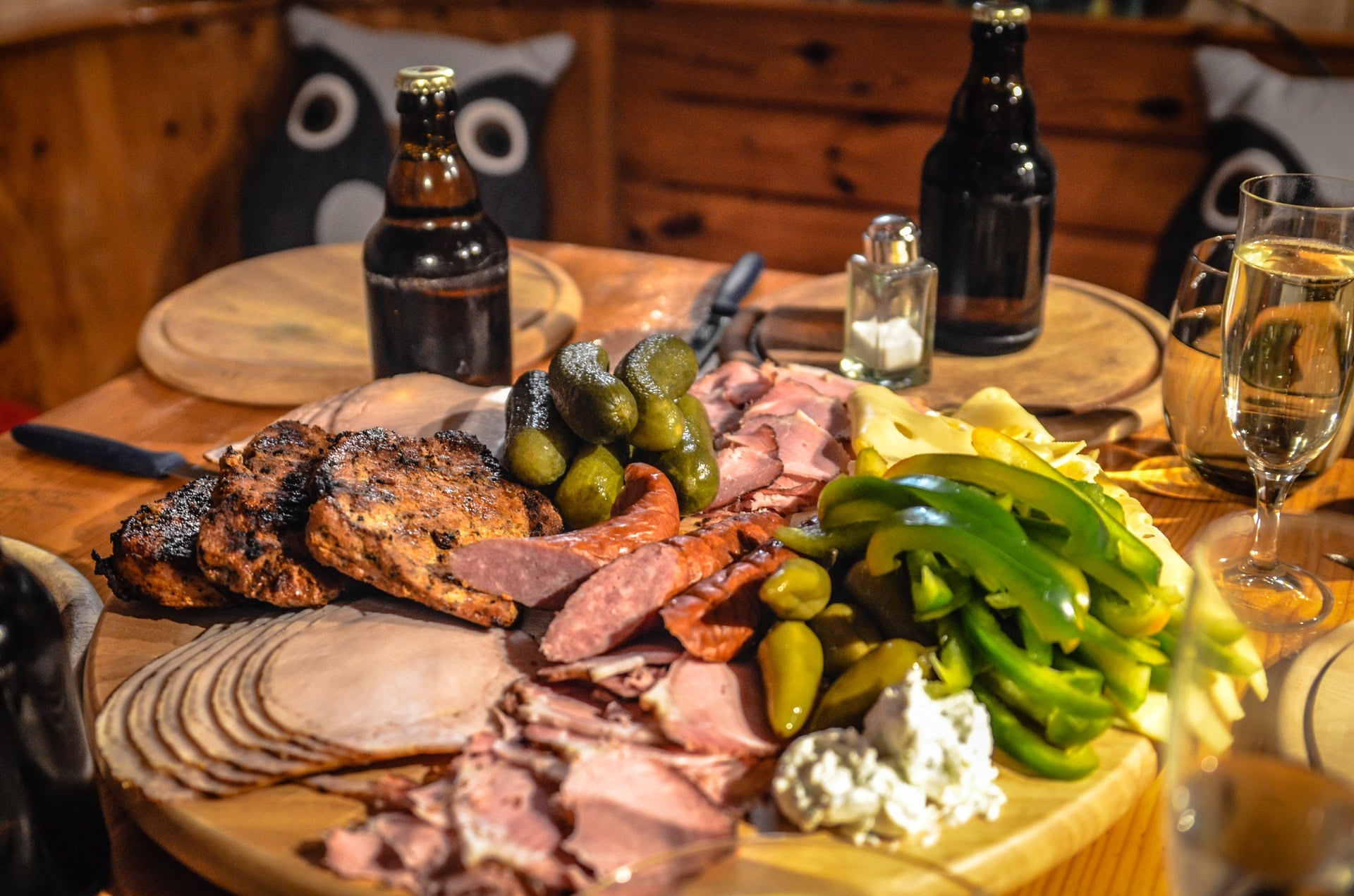
As the novel coronavirus (COVID-19, commonly known as the Wuhan virus) pneumonia outbreak spreads globally, the number of confirmed cases in the country has also climbed to 100. Whether on social media or through word of mouth among friends and family, an atmosphere of doomsday talk about needing to stock up on emergency food is emanating. From the earlier wave of toilet paper that was needlessly caught in the crossfire, to today’s canned goods and instant noodles and other daily necessities, everything seems to have begun mysteriously disappearing.
Originally I held a half-believing attitude toward the social phenomenon of frantic buying. After all, 100 out of 2,300,000,000 is actually still a very small infection ratio, especially since up to ninety percent of them are imported infections from abroad. As long as you do your daily self-cleaning and protection and stay away from crowded places, it is still not easy to be infected with the novel coronavirus.
In fact, if people entering and leaving the country recently could obediently comply with the 14-day home quarantine, there would originally be no big problem. Yet many people seem to have worms growing on their butts — being shut at home is even more unbearable for them than being locked in prison.
In short, out of curiosity one evening, I went to check the online shopping platform of the well-known domestic hypermarket for daily necessities and fresh food, “Carrefour,” and found that quite a few items had indeed already shown an “out of stock” status, or else required pre-ordering and waiting ten days to half a month before there would be stock.
Not only were the shelves unusual, but even the shipping volume was larger than usual. It was the first time I encountered a situation where delivery had to be booked two days in advance, and they would not even let you set the arrival time — you could only see how they arranged their vehicle runs (Carrefour’s logistics fleet signs long-term contracts and directly charters vehicles).
Also, the well-known American-style hypermarket “Costco” is packed with crowds of shopping carts day and night, while pure online shopping platforms such as “YahooKimo Shopping: Instant Noodles” and “MOMOShopping: Instant Noodles” still have several flavors of instant noodles available for purchase. I do not know whether it is because people do not like those flavors (every store’s Wei Lih Zhajiang Noodles have been taken off the shelves, ahhh), or because the unit price is relatively higher (these are mostly imported brands from Japan, Korea, and Thailand).
Currently, the products seen as bought out on the Carrefour platform mainly include instant noodles, canned goods, frozen vegetables, hot pot ingredients, eggs, and pork floss. Also, unlike usual times, the arrival rate on pure online shopping platforms shows that white rice items also seem relatively fewer (but still sufficient, possibly related to seasonality).
On the other hand, some basic ingredients on the shelves, such as flour and fresh vegetables, still appear to have ample supply. Even going to traditional markets, one can still find that fresh produce and meat are actually supplied stably. At this point one should be glad to still have some cooking skills, able to prepare food to feed oneself with these basic ingredients.
From this it can be seen that what everyone mainly buys is still concentrated on dry goods that keep longer. Perhaps what everyone lacks is not instant noodles and canned goods — what they actually need to buy is a super-large freezer (I myself have coveted one for a long time).
Well, actually I am also quite curious whether modern people really still want to live on canned goods. Speaking of my nephews’ generation, they have not even eaten canned food to this day. I recall that back in my student days, I spent all my saved pocket money on books and equipment, and lunch might just be a large bag of bulk Wumu noodles boiled in water, then poured with half a can of canned food for a meal, with the remaining half can saved for dinner.
As for the current rush to buy so-called “doomsday supplies,” it looks more like a crowd’s panic-consumption psychology. If you really want to stockpile strategic supplies, you only need to prepare enough food to be self-sufficient if you are accidentally forced into 14-day home quarantine. In other words, the ingredients that an ordinary large refrigerator’s freezer and refrigerator compartments can hold are already enough fresh food for a household of two or three.
As for if you really are confirmed infected — from the current look, you will probably have to go eat the unpalatable hospital meals.
Support Independent Perspectives & In-Depth Insights
Every thoughtful analysis and candid critique comes from our dedication to truth and quality. We choose not to follow sensational algorithms or clickbait headlines.
Sustaining independent research requires reader support. Make a one-time or monthly contribution, securely processed by Google.
Payments secured by Google · Manage or cancel anytime in your Google Account


Comments