
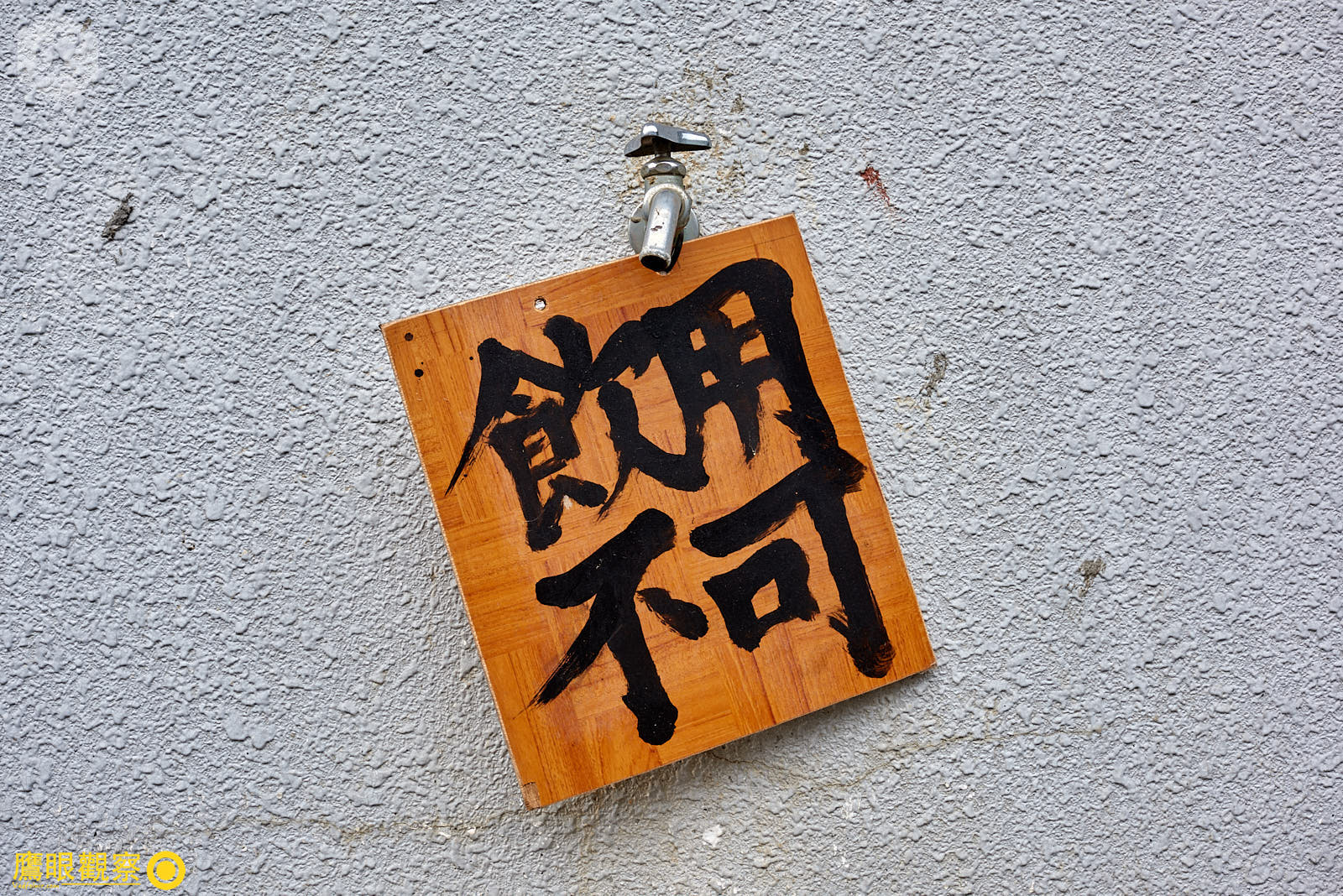
A friend once asked Mizuc: “In recent years a trend of imitating Japanese design has sprung up on the island of Taiwan. Cafes, restaurants, guesthouses and other businesses deliberately mimic the Japanese style in their decor and even in the names they choose. You’ve traveled all around Japan — would you want to visit places like that?”
My answer is actually very simple: “Not at all.”
Japanese people are a condensed expression of collective consciousness. A great deal of their design starts from daily life and reflection, and only then is shaped into a self-culture style with a strong impression.
This style is not fixed or unchanging. Rather, it continuously absorbs the cultures of other countries, and after filtering, refining and evolving, it gradually blends into a part of itself — not merely a simple, wholesale transplant.
Add to that the highly developed bubble economy of the 1990s, which in turn let the Japanese style permeate countries around the world and even form a kind of consensus.
Sometimes this is so strong that even styles common to every country get constrained into being called “Japanese style.” It is especially funny when many elements that originally belonged to Chinese culture are forcibly claimed as Japanese originals.
An old friend of mine told a joke that fits perfectly here: “In the past, when Japan copied Chinese culture it was called learning. I’m just taking back what was temporarily left with them — that’s called restoration.”
On the island of Taiwan today, a bunch of people who have neither the depth of their own life nor an understanding of their own cultural background are the ones doing the copying — and their plagiarism is crude and patchwork, turning into a neither-here-nor-there mess. That is even further from anything to do with life.
If you don’t even know how to discover your own strengths in daily life, and just blindly copy and imitate, how can there be any taste to speak of?
People without taste naturally feel indifferent and “good enough” about many details, and the result is that they keep muddling along toward a cheap, fake surface.
Some shops even take absurd Japanese names. You can’t tell whether they’re trying to serve Japanese tourists or deliberately make local consumers unable to understand. Do they think that just by giving themselves a Japanese name, their products can be sold by converting yen directly into New Taiwan dollars?
Some shop names even borrow Japanese-style kanji directly, which is also quite ridiculous. For example, a common cafe name is written as “珈琲.” But in Chinese these two characters are actually pronounced “jiā bèi,” and their meaning refers to ancient women’s hair ornaments and strings of beads. Those who don’t know might think they’re selling jewelry.
So for that kind of fake Japan, I always choose not to take on their terrible taste, nor the bad impression of fake Japan they may create.
Support Independent Perspectives & In-Depth Insights
Every thoughtful analysis and candid critique comes from our dedication to truth and quality. We choose not to follow sensational algorithms or clickbait headlines.
Sustaining independent research requires reader support. Make a one-time or monthly contribution, securely processed by Google.
Payments secured by Google · Manage or cancel anytime in your Google Account


Comments