
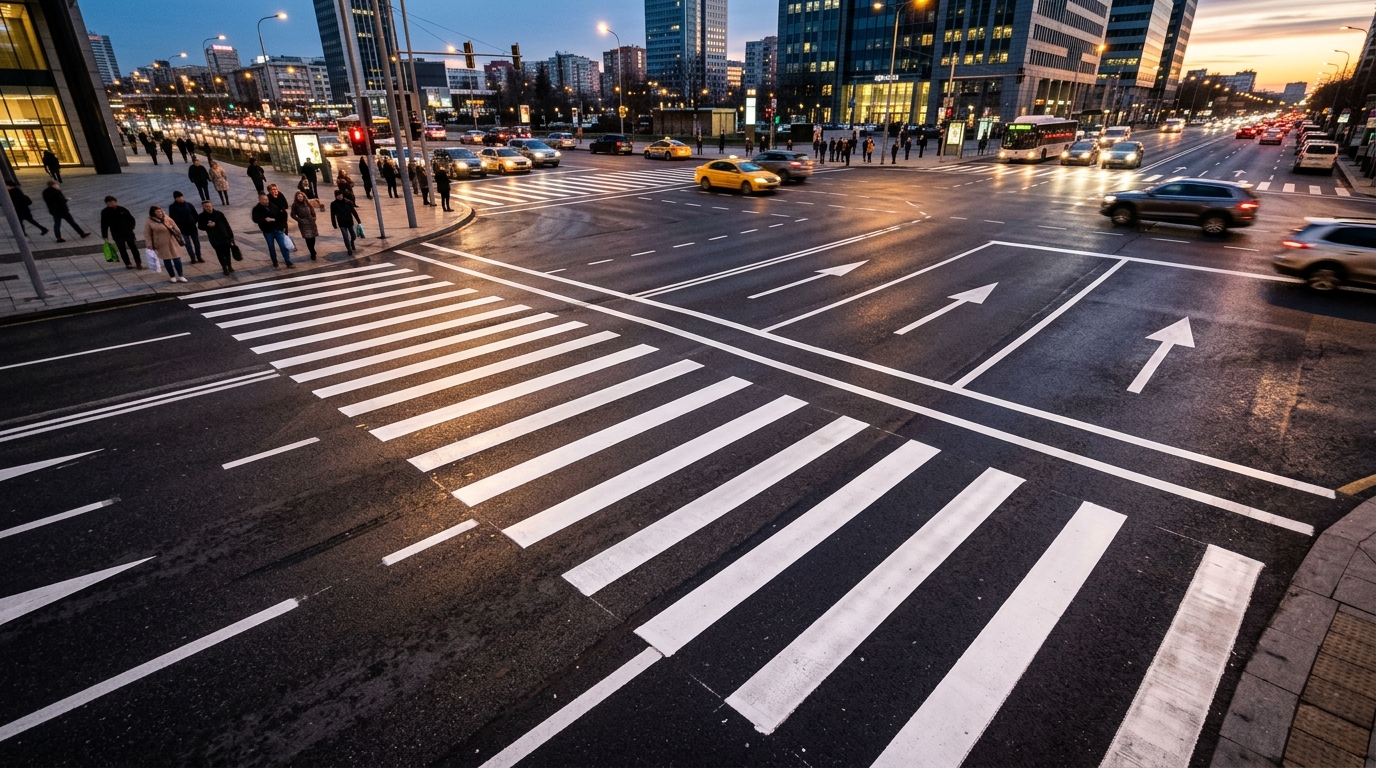
In modern basic road infrastructure, the white and yellow markings painted on asphalt are the most fundamental lifeline for guiding traffic, dividing right-of-way, and providing nighttime navigation. Yet on Taiwan’s social networks and major automotive and scooter forums, people frequently discuss the contrast in road quality between Taiwan and Japan:
“When I traveled to Japan, I found their road markings so smooth and clean, and I don’t worry about slipping when riding in the rain!"
"In contrast, Taiwan’s road markings are thick and raised; hitting a white line on a rainy day is like stepping onto a skating rink—a hidden killer for two-wheeled scooters!”
This criticism genuinely reflects the pain felt by countless road users, especially Taiwan’s huge scooter-riding population. But if we simply blame the problem on “sloppy Taiwanese construction versus Japan’s world-class techniques,” we oversimplify the complex trade-offs behind civil engineering.
Different countries’ choices of road marking materials and application methods are often deeply rooted in local climate conditions, vehicle composition, maintenance budgets, and engineering philosophy. This article objectively analyzes the technical pros and cons and practical challenges between Japan’s widely used “ambient-temperature spray-applied markings” and Taiwan’s common “hot-melt reflective markings” from the perspectives of materials science and traffic engineering.
Japan’s Spray-Applied Markings: A Balance of Speed, Smoothness, and Frequent Maintenance
On urban roads and ordinary provincial highways, Japan extensively uses “high-pressure spray methods” (ambient-temperature cold paint spraying or low-pressure airless spraying). This technique uses modified acrylic resin or water-based eco-friendly road paint, applied with specialized spray vehicles that quickly atomize the paint and spray it evenly onto the asphalt surface.
1. Core Advantages of Spray-Applied Markings
- Extremely fast application, minimal road closure impact: The sprayed paint flows evenly and cures and dries very quickly. A vehicle-mounted sprayer driving along the planned path can often reopen the road to traffic within minutes to a dozen minutes, greatly reducing the traffic impact of construction closures.
- Extremely thin film, imperceptibly smooth: Spray-applied markings typically form a film only about 0.3 to 0.5 mm thick, almost “clinging” to the asphalt surface. When vehicle tires roll over them, drivers feel no raised height difference at all, and there is no dangerous lateral drag when scooters cross the line to change lanes.
- Smooth road drainage: Because the markings have no significant thickness, rainwater can drain along the asphalt’s own slope without forming a water-blocking ridge at the marking edge, reducing the risk of hydroplaning caused by localized ponding.
2. The Fatal Weakness of Spray-Applied Markings: Poor Wear Resistance
However, no technique is perfect. The biggest drawback of spray-applied markings is their “short wear life”:
- Because the paint film is extremely thin, under frequent heavy truck and bus traffic plus wind and rain, the color often fades severely and peels off within about half a year to a year.
- The reason Japan can keep its markings clear and smooth is not some black technology in the paint, but the large and stable routine maintenance budget behind it. Road corporations of Japan’s local municipalities have established strict periodic inspection systems; once a marking’s reflectivity drops or it wears, maintenance teams quickly schedule re-spraying.
Taiwan’s Hot-Melt Markings: Pursuing Extreme Durability and Heavy-Vehicle Resistance
By contrast, the vast majority of Taiwan’s highways, elevated roads, and urban streets commonly use “thermoplastic reflective road markings” (commonly called hot-melt markings).
The principle of hot-melt paint is to heat solid petroleum resin, pigments, calcium carbonate filler, and pre-mixed glass beads in a heating kettle to 180°C to 220°C until they melt into a viscous liquid, then “scrape” or “extrude” it onto the road surface through a coating hopper, where it naturally cools and cures.
1. Core Advantage of Hot-Melt Paint: Sturdy and Durable
- Superior wear resistance and long life: Hot-melt markings are typically 1.5 to 3.0 mm thick and tough and solid in texture. In Taiwan’s extremely dense, heavy-vehicle-heavy harsh environment, a hot-melt marking can often maintain its complete shape and whiteness for two to three years or more.
- Lower frequent road-closure maintenance costs: For Taiwan’s highly saturated urban areas, every road construction project is a traffic disaster; the long life of hot-melt paint greatly reduces the frequency of repainting and maintenance spending by local governments.
2. The Pain Point of Hot-Melt Paint: Thickness Difference and Rainy-Day Slipping
Precisely because it pursues “wear-resistant thickness,” hot-melt paint brings huge safety hazards to two-wheeled road users:
- Creates real road surface protrusions: A thickness of 2 mm or more looks like a series of low “concrete steps” to scooter riders. When changing lanes, crossing crosswalks, or leaning into turns, the tire sidewall can easily slip and lose control due to the height difference.
- Smooth surface and declining skid resistance: Hot-melt paint is essentially resin plastic, and its surface becomes very smooth and dense after cooling and curing. If anti-skid aggregate (such as quartz sand) is not evenly spread during application, or if the surface anti-skid particles are worn and polished flat by tires within a few months, it becomes a “skating rink” with extremely low friction when it rains.
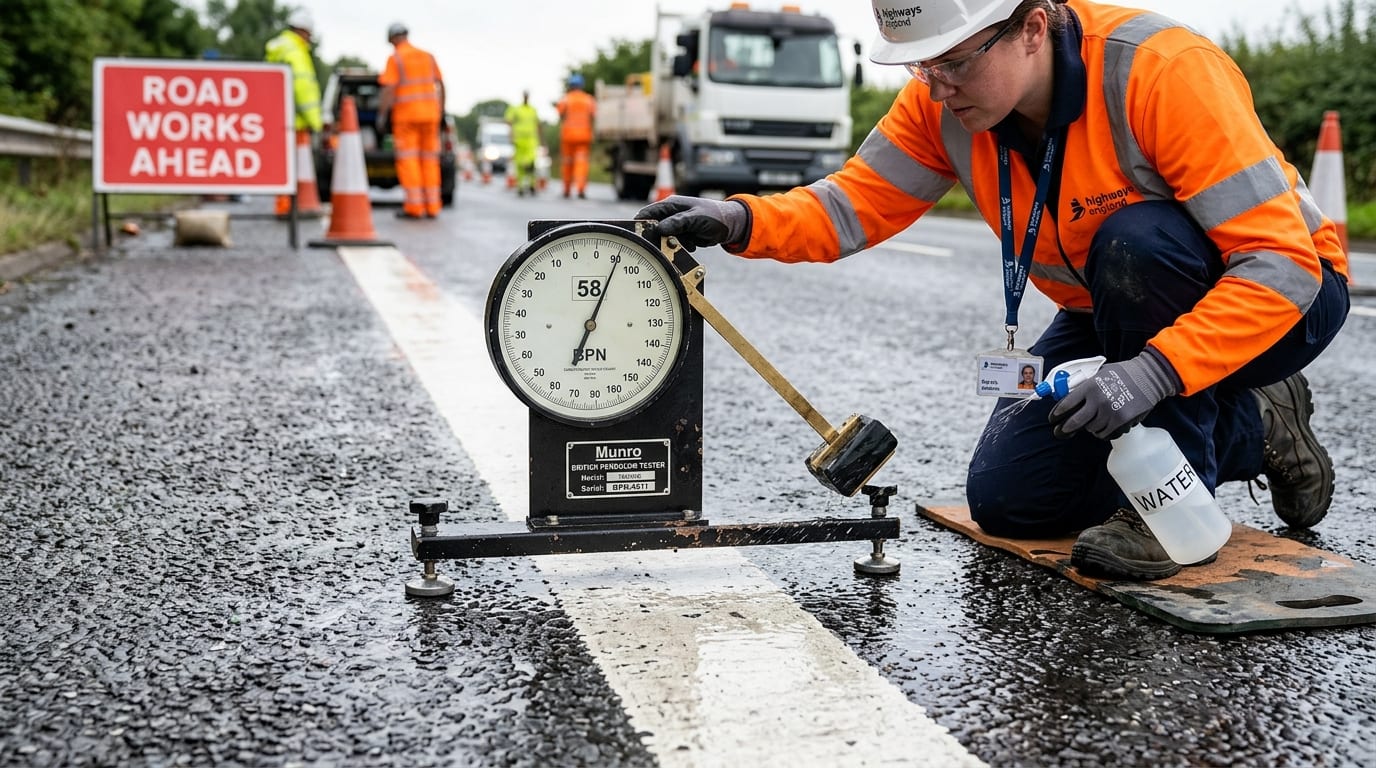
The Key Scientific Dimension: British Pendulum Number (BPN) and Surface Microstructure
Whether a marking is “slippery” is not judged by feeling in civil engineering; it relies on the objective “British Pendulum Number” (BPN
Support Independent Perspectives & In-Depth Insights
Every thoughtful analysis and candid critique comes from our dedication to truth and quality. We choose not to follow sensational algorithms or clickbait headlines.
Sustaining independent research requires reader support. Make a one-time or monthly contribution, securely processed by Google.
Payments secured by Google · Manage or cancel anytime in your Google Account



Comments